
Harvest sends field rodents toward Brookings County structures
Once combines finish the corn and soybean acres surrounding town, deer mice and voles abandon the stubble and head for the nearest garage, shed, or farmhouse wall.
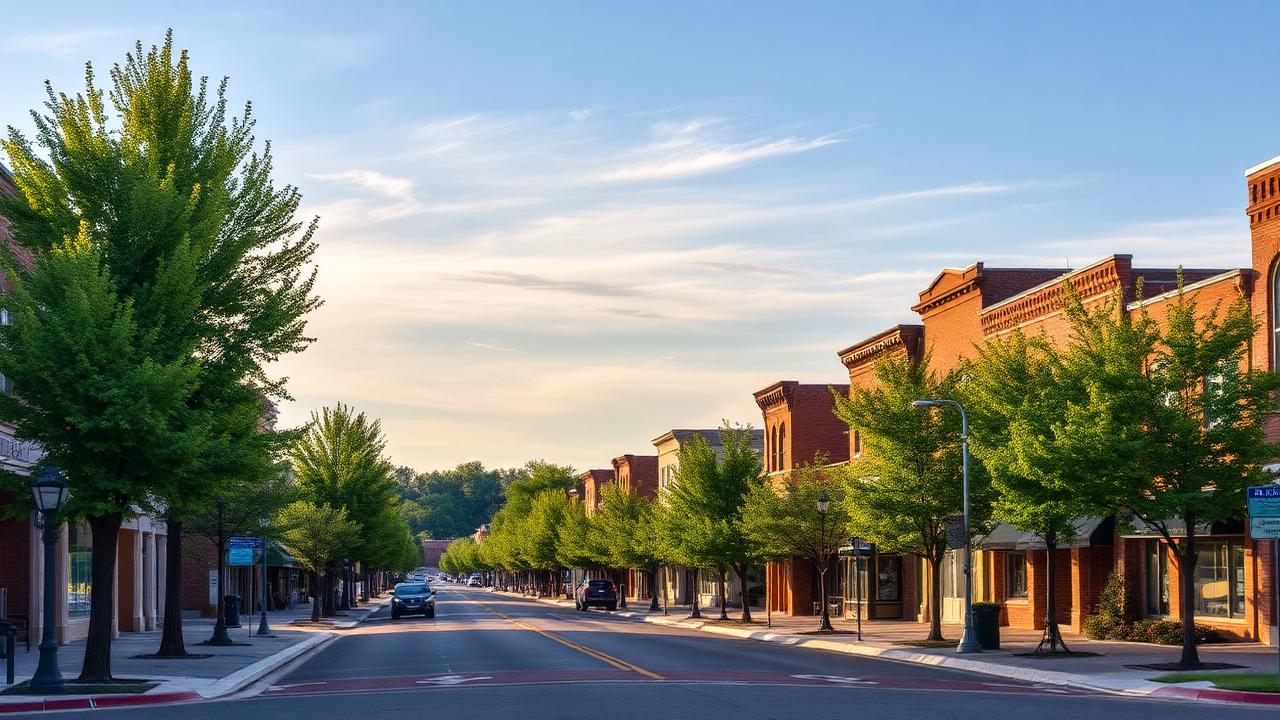
Jackrabbit game weekends and the SDSU calendar drive foot traffic through town, dairy and row-crop ground pushes rodents toward Medary Avenue and Sixth Street once combines roll, and manufacturers like Daktronics and Falcon Plastics keep the local economy humming through winter. Our AI systems answer every call while your technicians cover the ground between Interstate 29 and the Big Sioux River.
Typical Brookings implementation goes live in about 30-90 days.
Brookings sits where a state university, a manufacturing base, and the surrounding dairy and row-crop ground all overlap, so pest demand rises and falls with several different schedules at once.
Once combines finish the corn and soybean acres surrounding town, deer mice and voles abandon the stubble and head for the nearest garage, shed, or farmhouse wall.
South Dakota State's fall arrival compresses a semester's worth of rental turnover into roughly a week, flooding older duplexes near campus with roach and bed bug requests at once.
Cluster flies and box elder bugs work siding and soffits looking for a way inside as the prairie cools, keeping exclusion crews booked through October.
Livestock operations and grain storage around Brookings County need technicians who understand feed-safe rodent control and can work around milking schedules.
We build the intake around harvest timing, game weekends, and the county's dairy operations.
Voice AI stays on around the clock through the weeks after harvest, when field rodents are pushing hardest toward Brookings County buildings.
See Voice AIMessaging AI absorbs the compressed rental-turnover rush near campus so nothing gets lost in the shuffle.
See Messaging AIThe AI Sales System tags farm and livestock accounts up front so they land with technicians who know ag protocols.
See the AI Sales SystemWant to see what this looks like against your own Brookings call volume? We will walk through it on a 30-minute call.
Book a Discovery CallTerritories stretching from Brookings out to Volga, Elkton and Aurora get mapped in during onboarding.
We have a deep, purpose-built FieldRoutes integration, and over 1,000 API connections available for everything else, so your Brookings operation keeps one source of truth instead of four.
All third-party product names, logos, and brands are property of their respective owners. Use of these names does not imply endorsement or affiliation.
Brookings operators serve a town anchored by South Dakota State University, manufacturers like Daktronics and Falcon Plastics, and the dairy and row-crop ground beyond city limits, where harvest timing and campus move-in create back-to-back demand spikes. AI intake keeps every one of those calls from slipping through.
Deciding whether AI is right for your business at all is a separate question from which market you are in. We answer it honestly, including when the answer is not yet, in our AI decision guides, starting with should I use AI in my pest control business.
SDSU's academic year, Brookings County's dairy and row-crop cycle, and the prairie's own weather extremes all push different pest categories to the front of the queue at different points in the year.
Jackrabbit move-in fills rental blocks along Sixth Street and Medary Avenue with turnover work almost overnight: roach treatments in aging duplexes, bed bug inspections in furnished student housing, and lease-signoff checks for property managers racing to finish before classes start. German cockroach calls out of shared kitchens dominate this stretch, and the whole rush lands inside about two weeks.
As row-crop harvest clears Brookings County fields, house mice and deer mice give up on stubble and head for the nearest wall, so farmsteads along US-14 and neighborhoods backing up to cropland see the year's biggest rodent jump. Cluster flies and box elder bugs start working south-facing siding for a way in during these same weeks, and crews often pair exclusion sealing with rodent work on a single visit.
Once the Big Sioux River ices over and prairie winter locks in, pest activity moves almost entirely indoors. Older homes near downtown Brookings report mice already settled into walls and crawlspaces, cluster flies that got in during October reappear on sunny afternoons, and dairy barns on the outer townships see mice pushing in toward feed and warmth.
Spring thaw along the Big Sioux wakes ants up in kitchens across Brookings' newer west-side subdivisions, while the last overwintering cluster flies die off. SDSU's spring semester ending in May produces a smaller version of the fall rush, with outgoing tenants and landlord sign-off inspections near campus ahead of summer turnover.
Grain terminals along the rail line and the ag-supply warehouses near Interstate 29 start seeing stored-product pests as Indian meal moths and warehouse beetles turn up in bulk storage tied to the county's corn, soybean and dairy operations. Wasps and yellowjackets also build nests in machine sheds and outbuildings ahead of county fair season.
During extended sub-zero stretches, mice sheltering in dairy barns and cattle operations northeast of town push harder into nearby farmhouses and equipment sheds chasing warmth. Ice and snowpack on the rural approaches off US-14 and I-29 slow exclusion jobs, so dispatch groups farmstead stops together, covering house, barn, and shed in one trip instead of three.
Brookings' territory spans dense campus-area rentals on one end and dairy or row-crop operations well outside city limits on the other, which means crew planning has to switch between tight in-town scheduling and long rural drives depending on the day and which side of the Big Sioux a job falls on.
Volga sits roughly ten miles west on US-14 and Elkton about fifteen miles east on Highway 30, with I-29 tracing the county's edge north to south. Grouping rural stops along the same corridor on the same day keeps a single round trip from eating more time than the actual service call.
The rental corridor along Sixth Street and Medary Avenue near SDSU packs dozens of units into a few blocks. That density makes routing faster during move-in season, but one missed appointment window can cascade into complaints across an entire property manager's portfolio by evening.
Brookings County dairies and cattle feedlots need rodent and fly control timed around milking and feed delivery rather than a standard residential slot, so crews servicing them usually get their own route block instead of competing with in-town stops.
Short winter daylight, wind chill, and blowing snow across open fields slow travel on the gravel township roads outside Brookings. Dispatch typically sends crews to the farthest Volga and Elkton stops early in the day during December and January, before conditions worsen, and saves in-town Brookings work for the afternoon.
South Dakota State's Facilities and Services office oversees pest contracts spanning academic buildings, residence halls, and the university's dairy research unit, each requiring background-checked staff and after-hours access for labs and the Student Union kitchens. Winning that work takes a system that tracks certification renewals and keeps campus billing separate from residential accounts.
Properties along the Big Sioux River corridor see periodic spring flooding that pushes rodents and ants toward higher ground, producing a short but predictable wave of calls from riverside homes and businesses each year. Crews who know the flood plain's usual entry points move through these calls faster than a standard inspection allows.
More reading for operators working Brookings, SD and the markets around it.
Location-specific guides written for the pest pressure, routes, and customer behavior of this market.
A short one-pager on the Brookings market, the systems we build for operators here, and how implementation runs, written to be printed and passed around.
Last updated 2026-09-17
Try the messaging AI that answers texts, webchat, and social for pest control teams.
Start a ChatUse our free pest control AI assistant today, no contract, no setup call.
Try PestGPT FreePull last October and November. We'll show you how many Brookings rodent calls came in as the fields cleared and never got a callback.
The South Dakota guide covers statewide pest pressure, licensing and call patterns, and links every South Dakota city guide we publish, including this one.