
Old multifamily housing drives steady rodent and roach volume
Neighborhoods like Campello and Montello sit in aging triple-deckers and duplexes where shared basements let pests spread between units.
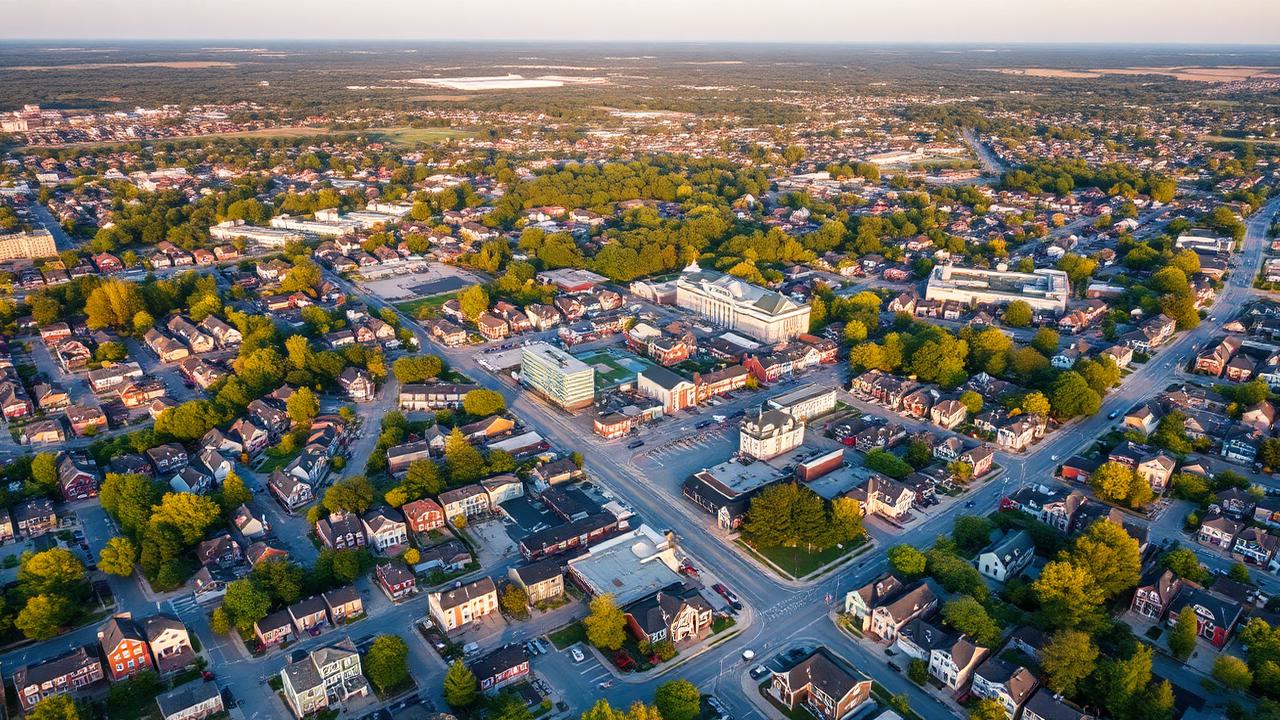
Old multifamily housing, converted shoe-factory buildings, and dense city blocks keep rodent and roach calls steady year-round. Our AI systems capture every call while your crews cover Brockton and Plymouth County.
Typical Brockton implementation goes live in about 30-90 days.
Once the shoe manufacturing capital of the world, Brockton's dense old housing stock and converted factory buildings keep pest pressure constant.
Neighborhoods like Campello and Montello sit in aging triple-deckers and duplexes where shared basements let pests spread between units.
Old factory buildings converted to apartments and small businesses need pest management spanning both uses in the same structure.
Tight lot spacing in central Brockton lets rodent and roach populations move easily from property to property.
Carpenter ants and yellowjackets are common complaints in older wood-frame homes each spring and summer across Brockton.
We configure around multifamily volume, converted-building complexity, and seasonal pest swings.
Voice AI answers around the clock and gathers building and unit details so techs know what they're walking into.
See Voice AIMessaging AI confirms access across mixed residential and commercial tenants in converted properties.
See Messaging AIThe AI Sales System flags spring and summer seasonal spikes so crews can plan capacity ahead of demand.
See the AI Sales SystemWant to see what this looks like against your own Brockton call volume? We will walk through it on a 30-minute call.
Book a Discovery CallService areas from Brockton out through Stoughton, Easton and Abington are configured during onboarding.
We have a deep, purpose-built FieldRoutes integration, and over 1,000 API connections available for everything else, so your Brockton operation keeps one source of truth instead of four.
All third-party product names, logos, and brands are property of their respective owners. Use of these names does not imply endorsement or affiliation.
Brockton operators work a market built on old factory-era housing and dense city blocks. AI intake keeps every multifamily unit, converted building, and seasonal pest surge accounted for.
Deciding whether AI is right for your business at all is a separate question from which market you are in. We answer it honestly, including when the answer is not yet, in our AI decision guides, starting with should I use AI in my pest control business.
Brockton's mix of triple-decker neighborhoods, converted factory buildings, and southeastern Massachusetts humidity produces a distinct rhythm of calls. Crews covering Campello and the Montello triple-deckers see different pressure than those working the converted mill buildings downtown near Main Street.
Spring thaw exposes moisture that collected under the old brick and timber floors of converted shoe-factory buildings along Centre Street, drawing carpenter ants out of damp sills. Basement rodent activity in Campello's shared triple-decker cellars picks up as mice that wintered indoors start foraging again once the snow clears. D.W. Field Park's ponds and wooded edges bring early mosquito breeding, and property managers near downtown request spring perimeter treatments before factory-building tenants move in for the season.
Summer humidity off the Salisbury Plain and Trout Brook watershed keeps mosquito pressure high through Brockton's parks and backyard drainage ditches, especially near Ellis Brett Playground. Yellowjackets nest under the eaves of older wood-frame duplexes in Montello, and carpenter ant swarms peak in July in homes with wood-to-ground contact. Roach complaints also rise in shared triple-decker basements as heat and humidity push activity between units through common plumbing chases.
As temperatures drop, rodents move from Brockton's tight urban lots into structures, with shared basements in Campello and Montello seeing the year's heaviest mouse pressure as populations funnel indoors from adjacent properties. Cluster flies and stink bugs seek entry into older wood-frame homes near Waldo Lake, and converted factory buildings along Main Street report rodent activity in loading docks and shared corridors as outdoor food sources near dumpsters dry up before winter.
Cold weather locks in indoor rodent activity across Brockton's dense multifamily housing, with property managers of converted factory buildings requesting preventive sweeps of shared basements and stairwells before winter break. German roach complaints continue steadily in older triple-deckers where heating systems keep interior temperatures favorable year-round. Tenants in mixed residential-commercial buildings near downtown often report activity moving between units through shared walls and utility chases during the coldest stretches.
Termite swarmers emerge from moisture-damaged sills in Brockton's older wood-frame triple-deckers each May, often mistaken for flying ants by tenants in Campello and Montello who call in a panic. Carpenter bees also start drilling into exposed cedar trim on porches near Waldo Lake. Property managers of converted factory buildings on Centre Street schedule inspections during this window to catch termite activity before it spreads through shared timber framing between commercial and residential sections.
Bald-faced hornets build football-sized nests in the mature trees lining D.W. Field Park and nearby residential streets through August, prompting removal calls from homeowners and the parks department alike. Silverfish complaints also rise in the older basements of downtown converted buildings as summer humidity soaks into brick foundations. Crews servicing Montello's duplexes see a parallel uptick in carpenter ant satellite colonies as summer moisture continues feeding established nests.
Brockton's dense grid of triple-decker neighborhoods and its spread into Plymouth County suburbs both shape how crews are dispatched. Traffic on the city's core corridors and travel time to outlying towns both factor into daily routing.
Campello and Montello are laid out in tight grids of triple-deckers where multiple stops can be clustered within a few blocks, letting techs handle several units in a single visit window. Dispatch groups these dense residential jobs separately from converted factory-building accounts downtown, since commercial tenants near Main Street often need coordination across shared corridors and basements that residential stops don't.
Route 24 runs north-south through Brockton connecting to Stoughton and Randolph, while Route 138 handles more local east-west traffic through downtown. Rush-hour backups on Route 24 near the Westgate Drive interchange can add real delay for techs heading to afternoon stops, so morning routes prioritize the Route 24 corridor while afternoon slots shift toward local Montello and Campello work.
Service areas extending to Stoughton, Easton and Abington require ten-to-twenty-minute suburban drives out from the city core, a different pace than Brockton's dense in-town blocks. The AI Sales System sequences these outlying stops by corridor, grouping Easton and Stoughton jobs together rather than sending a single tech zigzagging between suburban towns and downtown in the same day.
Converted shoe-factory buildings near Main Street and Centre Street generate mixed residential-commercial work that requires techs comfortable coordinating access across multiple tenants in one visit. Seasonal staffing increases each fall as rodent activity surges through Campello and Montello's shared basements, and crews are cross-trained to handle both quick triple-decker unit visits and longer converted-building inspections.
Many of Brockton's triple-decker conversions and the mixed-use buildings along Main Street are handled by absentee landlords or small property management firms rather than owner-occupants, so scheduling access often runs through a manager rather than the tenant directly. Messaging AI keeps confirmation threads separated by building and unit so a manager overseeing several Campello properties can track service status across the whole portfolio without mixing up addresses.
Winter storms rolling up the Northeast corridor regularly force same-day cancellations across Brockton, particularly for exterior treatments and stinging-insect nest removals that can't be done safely in high wind or heavy snow. The AI Sales System automatically flags affected appointments and starts rebooking outreach once the storm clears, keeping Plymouth County routes from backing up for a week after a single bad weather day.
More reading for operators working Brockton, MA and the markets around it.
Location-specific guides written for the pest pressure, routes, and customer behavior of this market.
A short one-pager on the Brockton market, the systems we build for operators here, and how implementation runs, written to be printed and passed around.
Last updated 2026-09-17
Try the messaging AI that answers texts, webchat, and social for pest control teams.
Start a ChatUse our free pest control AI assistant today, no contract, no setup call.
Try PestGPT FreePull last April through June. We'll show you how many Brockton ant and yellowjacket calls came in after hours and never got a callback.
The Massachusetts guide covers statewide pest pressure, licensing and call patterns, and links every Massachusetts city guide we publish, including this one.