
University rental turnover drives late-summer surges
Housing near Harvard Square and Central Square turns over every August, and new tenants often report roach and rodent issues within their first weeks.
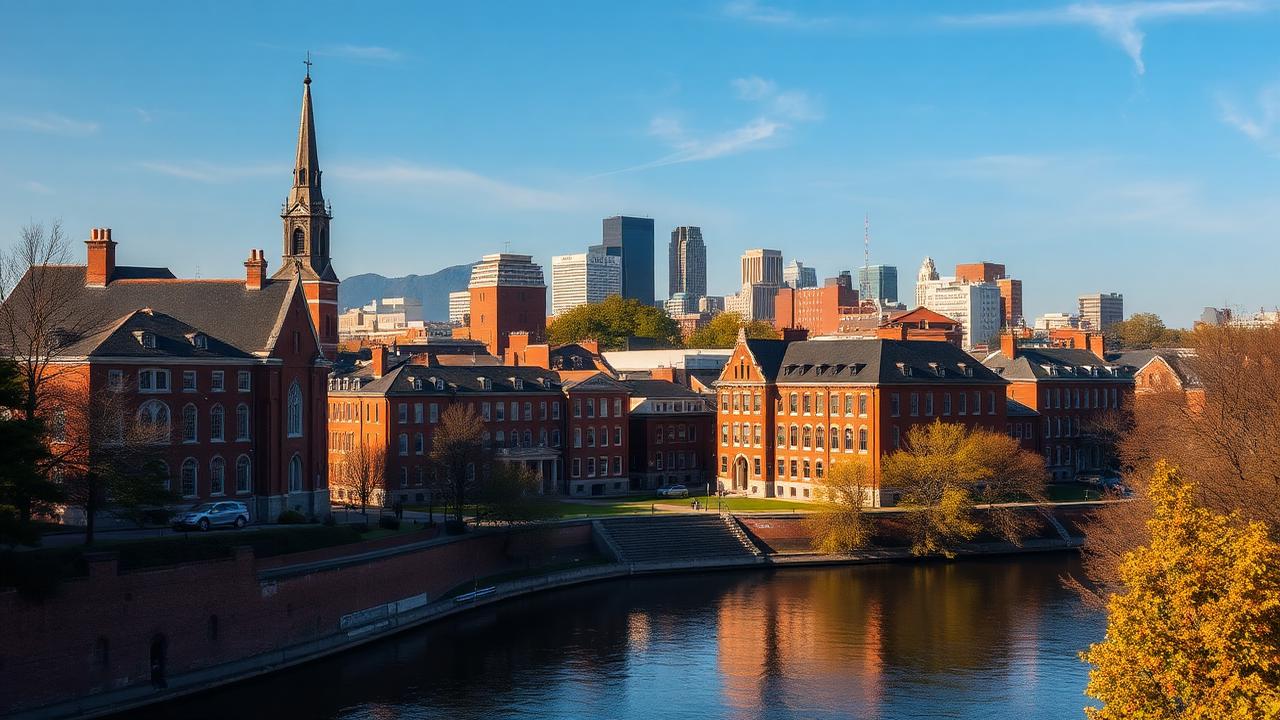
Dense triple-decker housing, university rental turnover, and a booming lab and biotech corridor keep demand varied and constant. Our AI systems capture every call while your crews cover Cambridge and Middlesex County.
Typical Cambridge implementation goes live in about 30-90 days.
A city built around Harvard, MIT, and a fast-growing biotech corridor produces distinct residential and commercial pest patterns.
Housing near Harvard Square and Central Square turns over every August, and new tenants often report roach and rodent issues within their first weeks.
Old Cambridgeport and North Cambridge triple-deckers with shared basements let pests move between units, keeping landlord calls steady.
Kendall Square lab space needs documented, compliant pest control tied to research and safety standards.
Proximity to the river keeps summer humidity elevated, driving ant and mosquito calls near riverside neighborhoods.
We configure around rental turnover, multifamily volume, and biotech compliance needs.
Voice AI answers around the clock during the August rental crunch, gathering unit details so crews can triage building versus unit issues.
See Voice AIMessaging AI confirms access across multi-tenant buildings so techs reach the right unit without wasted trips.
See Messaging AIThe AI Sales System tracks visit history and documentation needs for Kendall Square lab and biotech clients.
See the AI Sales SystemWant to see what this looks like against your own Cambridge call volume? We will walk through it on a 30-minute call.
Book a Discovery CallService areas from Cambridge out through Somerville, Arlington and Belmont are configured during onboarding.
We have a deep, purpose-built FieldRoutes integration, and over 1,000 API connections available for everything else, so your Cambridge operation keeps one source of truth instead of four.
All third-party product names, logos, and brands are property of their respective owners. Use of these names does not imply endorsement or affiliation.
Cambridge operators work a market split between university rental cycles and a growing biotech corridor. AI intake keeps every turnover-season call and lab account accounted for.
Deciding whether AI is right for your business at all is a separate question from which market you are in. We answer it honestly, including when the answer is not yet, in our AI decision guides, starting with should I use AI in my pest control business.
Cambridge's calendar is shaped as much by the academic year as by New England weather, with turnover in Harvard Square and Central Square driving spikes that don't follow typical seasonal patterns. Kendall Square's lab corridor adds a steady undercurrent of compliance-driven demand that runs independent of the residential cycle.
As snow clears from the Charles River Esplanade and riverside paths in Cambridgeport, ants and early mosquitoes emerge along the humid riverbank, prompting calls from condo buildings near Memorial Drive. Landlords managing triple-deckers in North Cambridge and Area 4 schedule spring inspections ahead of summer sublet turnover. Kendall Square lab tenants also request spring compliance sweeps to document baseline pest activity before summer research schedules ramp up.
This is Cambridge's defining stretch: as Harvard and MIT students clear out and new leases begin around Labor Day, roach and rodent complaints spike in Harvard Square and Central Square rentals within the first weeks of new move-ins. River humidity off the Charles keeps mosquito and ant pressure high through Cambridgeport and East Cambridge, and Kendall Square's dense lab buildings maintain steady structured pest-management visits tied to research safety protocols regardless of the season.
Cooling temperatures push rodents from Cambridge's tight triple-decker lot lines into shared basements across North Cambridge and Area 4, with landlords reporting activity moving between units through common walls. Cluster flies seek entry into older wood-frame homes near Fresh Pond, and the tail end of student turnover still generates roach calls into October as late-signed leases begin. Kendall Square biotech tenants request fall inspections ahead of year-end audits.
Winter cold concentrates rodent activity indoors across Cambridge's dense multifamily stock, with the oldest triple-deckers near Central Square and Inman Square seeing the heaviest mouse pressure as populations move through shared basements and utility chases. Kendall Square lab and biotech accounts continue scheduled documented visits through winter regardless of weather, since compliance protocols don't pause for the season, and property managers request preventive sweeps before winter-break vacancies leave units unchecked.
Nesting pigeons and starlings become a recurring complaint on the ledges and rooftop mechanicals of Kendall Square's lab buildings each May, since bird droppings near air intake vents can trigger facilities compliance flags for biotech tenants. Carpenter bees also start drilling into the wooden trim of older triple-deckers in Cambridgeport around the same time. Property managers near Inman Square schedule bird deterrent installations before nesting season fully takes hold on cornices and rooftop equipment.
Bed bug calls climb through July and August as short-term sublets and visiting researchers cycle through Central Square and Harvard Square apartments at a higher rate than the normal academic-year turnover. Yellowjackets also nest aggressively in the eaves of older wood-frame homes near Fresh Pond, and MIT-area outdoor dining patios along Massachusetts Avenue request wasp management as al fresco seating draws more insect activity through the end of summer.
Cambridge's tight street grid, heavy through-traffic, and mix of dense residential blocks and lab campuses make routing more about timing than distance. Crews plan around both rush-hour congestion and the compliance schedules of biotech accounts.
Massachusetts Avenue running through Harvard Square and Central Square carries heavy student and commuter traffic most of the day, and street parking near dense triple-deckers is scarce, often adding real time to a stop that would take minutes elsewhere. Dispatch schedules turnover-season visits near the squares for mid-morning or early afternoon windows to avoid the worst of the class-change and commuter congestion.
Biotech and lab buildings in Kendall Square often require badge access, security check-in, and coordination with facilities staff before a tech can begin work, which takes longer than a typical residential stop. These compliance-driven visits are scheduled in dedicated blocks rather than squeezed between residential jobs, since a delayed lab visit can affect a client's audit timeline.
Service areas extending into Somerville, Arlington and Belmont mean crews cross the Charles River or head out Massachusetts Avenue and Route 2 to reach jobs beyond Cambridge proper. The AI Sales System groups these outlying stops by corridor so a tech heading to Arlington in the morning isn't pulled back into Cambridge traffic for an afternoon Somerville stop.
The concentrated wave of lease turnovers around Harvard Square and Central Square each late August creates a short, intense surge that outpaces normal staffing levels. Crews are scheduled with added capacity through late August and September specifically for new-tenant roach and rodent calls, while Kendall Square's steady lab-account workload continues on its own separate, predictable schedule throughout the surge.
A large share of Cambridge's residential volume flows through Harvard and MIT off-campus housing offices or third-party property management firms rather than individual tenants calling directly, especially in buildings clustered around Harvard Square and Central Square. Messaging AI keeps these institutional partners updated with unit-level status across large portfolios, so a housing office managing dozens of leased units can track turnover-season service without manually following up on each address.
Sudden Nor'easters and heavy rain events along the Charles River Esplanade can flood basement entry points in Cambridgeport and force same-day rescheduling of exterior treatments near riverside condo buildings. The AI Sales System flags weather-impacted appointments and initiates rebooking outreach automatically, which matters most during turnover season when a canceled visit can otherwise sit unaddressed for days while crews focus on the August surge.
More reading for operators working Cambridge, MA and the markets around it.
Location-specific guides written for the pest pressure, routes, and customer behavior of this market.
A short one-pager on the Cambridge market, the systems we build for operators here, and how implementation runs, written to be printed and passed around.
Last updated 2026-09-17
Try the messaging AI that answers texts, webchat, and social for pest control teams.
Start a ChatUse our free pest control AI assistant today, no contract, no setup call.
Try PestGPT FreePull last August and September. We'll show you how many Cambridge new-tenant pest calls came in after hours and never got a callback.
The Massachusetts guide covers statewide pest pressure, licensing and call patterns, and links every Massachusetts city guide we publish, including this one.