
Canal network keeps moisture pests active
Lowell's historic canal system running through downtown keeps humidity elevated nearby, feeding ant, mosquito, and moisture-ant complaints.
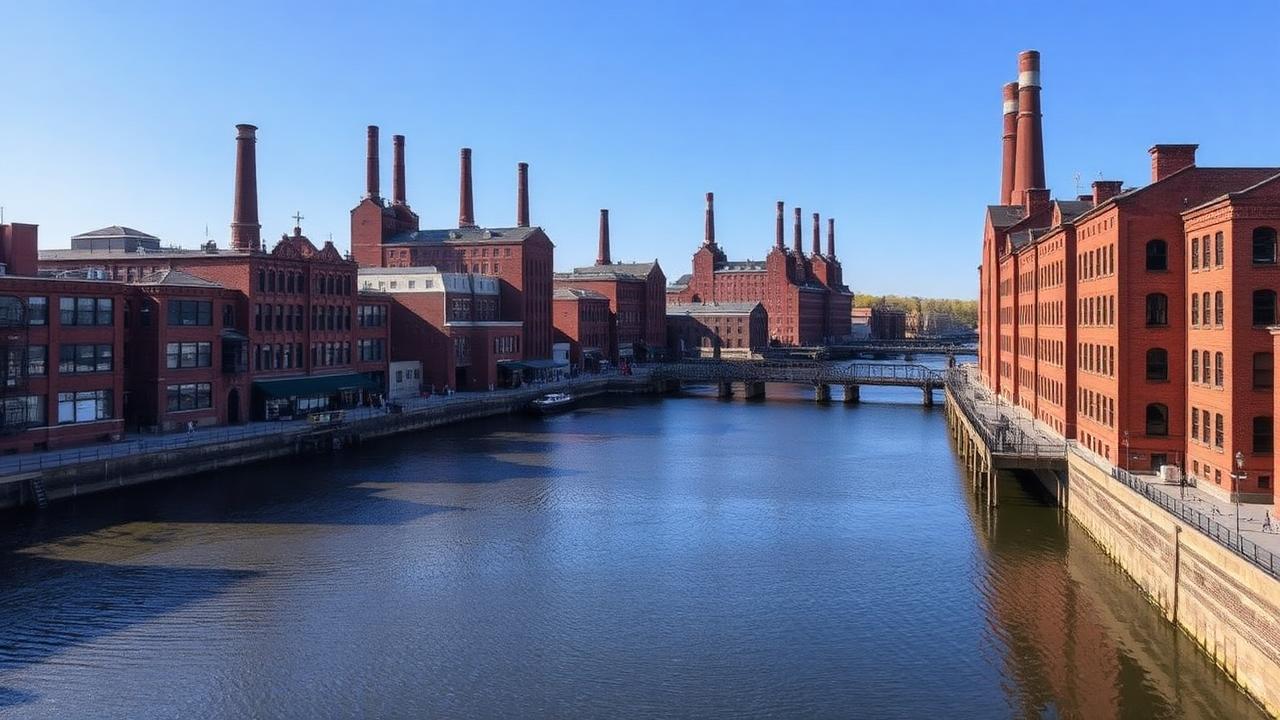
Converted mill buildings, a network of old canals, and dense multifamily housing keep rodent and moisture-pest calls steady year-round. Our AI systems capture every call while your crews cover Lowell and the Merrimack Valley.
Typical Lowell implementation goes live in about 30-90 days.
America's original mill city combines a historic canal network with converted industrial buildings, producing steady moisture and rodent pressure.
Lowell's historic canal system running through downtown keeps humidity elevated nearby, feeding ant, mosquito, and moisture-ant complaints.
Old textile mills converted to apartments and offices need pest management that spans both residential units and commercial tenants in the same structure.
The Acre and Centralville neighborhoods' old multifamily housing with shared basements lets pests move between units, keeping landlord calls steady.
Properties near the Merrimack River see recurring moisture and pest issues in basements after heavy rain events.
We configure around canal-driven moisture pests, mixed-use mill buildings, and multifamily volume.
Voice AI answers around the clock and gathers building details so your crew knows if it's a mill conversion or a traditional multifamily unit.
See Voice AIMessaging AI confirms access across both residential and commercial tenants in converted mill properties.
See Messaging AIThe AI Sales System flags basement moisture complaints near the Merrimack for faster response after rain events.
See the AI Sales SystemWant to see what this looks like against your own Lowell call volume? We will walk through it on a 30-minute call.
Book a Discovery CallService areas from Lowell out through Chelmsford, Dracut and Tewksbury are configured during onboarding.
We have a deep, purpose-built FieldRoutes integration, and over 1,000 API connections available for everything else, so your Lowell operation keeps one source of truth instead of four.
All third-party product names, logos, and brands are property of their respective owners. Use of these names does not imply endorsement or affiliation.
Lowell operators work a market shaped by converted mill buildings and a historic canal network. AI intake keeps every moisture complaint, mixed-use tenant, and multifamily unit accounted for.
Deciding whether AI is right for your business at all is a separate question from which market you are in. We answer it honestly, including when the answer is not yet, in our AI decision guides, starting with should I use AI in my pest control business.
Call volume in Lowell tracks the Merrimack's flow and the mill district's brick-and-timber construction as much as the calendar. Each stretch of the year brings a different mix of moisture, rodent, and structural pest pressure across the Acre, Centralville, and the downtown mill corridor.
Spring runoff swells the Pawtucket Canal and Northern Canal, pushing groundwater up under mill-district basements converted to residential lofts. Carpenter ant swarmers emerge first in Pawtucketville's older triple-deckers, where damp sills near ground level offer easy entry. Landlords managing Centralville multifamily buildings start calling about pavement ants working through cracked foundation walls as frost leaves the ground. Property managers overseeing mill conversions along Market Street ask about moisture inspections before summer leasing season, since damp brick and old timber framing hold humidity longer than newer construction, and prospective tenants notice quickly.
Humidity trapped along the canal walkways downtown keeps mosquito complaints steady from residents walking the Riverwalk and from restaurant patios near Merrimack Street. German cockroach calls climb in the Acre's densely packed triple-decker rentals, where shared plumbing chases give roaches a path between units. Mill buildings with commercial ground-floor tenants and residential lofts above start reporting pantry pest and fruit fly complaints from food-service spaces that spread upstairs through shared HVAC returns. Yellowjacket nests appear in the eaves of Centralville's older single-family homes, driven by warm, still air pooling against the hillside.
As nights cool, mice begin working toward the warmer interior walls of mill-building conversions, entering through old conduit penetrations that were never fully sealed during renovation. Triple-decker basements throughout the Acre and Pawtucketville see rising rodent activity as outdoor food sources thin out along the riverbanks. Cluster flies show up in older wood-frame homes near Centralville's residential streets, seeking gaps around window trim original to the early-1900s construction. Property managers with mixed-use mill accounts request fall exclusion sweeps before heating season starts, since warm mechanical rooms draw rodents first.
Cold snaps push rodent activity indoors hard, with the Acre's aging multifamily basements and shared crawlspaces generating the bulk of winter calls as pests move between connected units. Downtown mill buildings with active boiler rooms see mice concentrated near heat sources, prompting commercial tenants to request urgent service before health inspections. Ice damming along roofs in Pawtucketville's older housing stock occasionally opens new rodent entry points as gutters back up. Calls slow along the canal walkways themselves, but river-adjacent basements still generate moisture complaints whenever a mid-winter thaw sends meltwater toward foundation walls.
A narrow window in early April brings subterranean termite swarmers out of foundation cracks in the older brick mill buildings along French Street and the Hamilton Canal district, where century-old masonry retains ground moisture even after winter thaw. Property managers overseeing these conversions treat swarmer sightings as a lease-risk issue, since prospective tenants touring units during peak spring leasing season react badly to seeing winged insects near windowsills. Termite inspection requests cluster heavily in this two-to-three week stretch before tapering as the ground dries out through May.
By late August, bald-faced hornet and yellowjacket colonies reach peak size in the eaves and woodpiles of Dracut and Chelmsford's more suburban single-family housing stock, generating urgent same-day calls as nests grow aggressive near backyard gatherings. Downtown, wasps are drawn to dumpster corrals behind Merrimack Street restaurants and mill-building loading docks, creating a second, more commercial cluster of calls. Both patterns tend to peak in the final weeks before schools reopen, then drop off sharply once colonies begin dying back with the first cool nights.
Lowell's compact street grid is cut through by canals and one-way mill-district blocks, which changes how routing and staffing work compared to sprawling suburban markets. Crews need routes that respect both the geography and the density of the neighborhoods they're serving.
Bridges over the Pawtucket, Western, and Northern canals concentrate traffic onto a handful of crossings, so a tech working the Acre in the morning and Centralville in the afternoon needs a route planned around Bridge Street and the University Avenue bridge rather than a straight line on the map. Dispatch software that accounts for these chokepoints keeps midday appointment windows realistic instead of optimistic.
Techs servicing converted mill buildings on Market Street or Jackson Street often lose ten to fifteen minutes finding parking near buildings with no dedicated loading zones. Routes built for the mill corridor need extra buffer time built in, especially for jobs requiring equipment carried up several flights in buildings without freight elevators.
The Acre and Pawtucketville pack multiple triple-decker units onto small lots, so drive time between stops is minimal, but each visit often involves coordinating access with multiple tenants and a landlord or property manager. Scheduling needs to budget for that coordination time rather than treating each stop as a single-unit visit.
Demand spikes twice a year in Lowell: during fall rodent exclusion season across the mill conversions and multifamily stock, and after heavy rain events when the Merrimack rises and basement moisture calls surge. Crews planning ahead for both windows, rather than reacting after the river crests, keep response times down when partners need them most.
Firms managing multiple triple-decker buildings across the Acre and Centralville, or several units within a single mill conversion, generate service requests unit by unit even though the underlying rodent or moisture issue is often building-wide. Grouping these tickets by property address rather than treating each tenant call independently lets a single visit resolve several open requests, cuts redundant windshield time, and gives the property manager one consolidated invoice instead of five.
Food-service accounts near the UMass Lowell campus and Lowell General Hospital operate under health-inspection deadlines that leave little room for rescheduling, unlike residential triple-decker calls that can slide a day without much friction. Dispatch needs to distinguish these commercial accounts at intake so a health-inspection-driven request does not get queued behind routine multifamily stops, since a missed window there can mean a failed inspection rather than just an annoyed partner.
More reading for operators working Lowell, MA and the markets around it.
Location-specific guides written for the pest pressure, routes, and customer behavior of this market.
A short one-pager on the Lowell market, the systems we build for operators here, and how implementation runs, written to be printed and passed around.
Last updated 2026-09-17
Try the messaging AI that answers texts, webchat, and social for pest control teams.
Start a ChatUse our free pest control AI assistant today, no contract, no setup call.
Try PestGPT FreePull your call logs after the last heavy rain event. We'll show you how many basement moisture and pest calls came in after hours and never got a callback.
The Massachusetts guide covers statewide pest pressure, licensing and call patterns, and links every Massachusetts city guide we publish, including this one.