
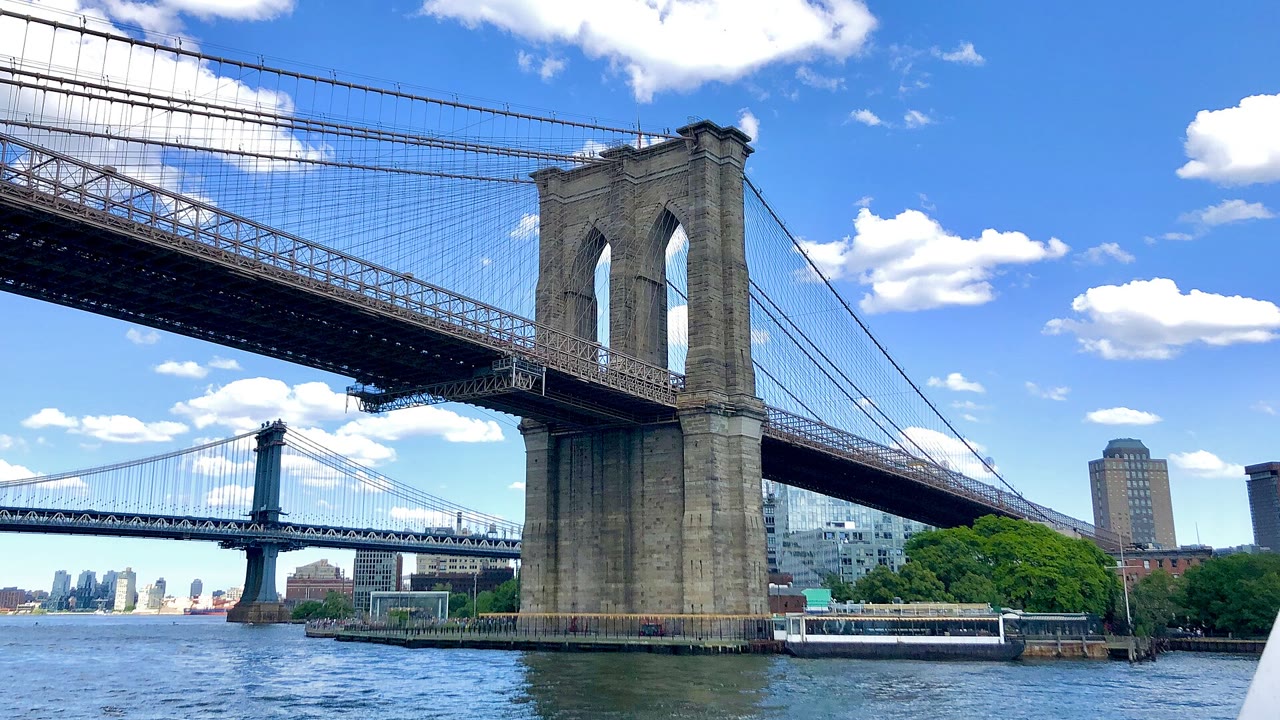
Brooklyn Bridge stone tower viewed from the East River waterfront with Manhattan Bridge behind it
    Brooklyn, New York

    Pest Control Software Built for Brooklyn Operators

    Garden-level brownstone apartments in Park Slope, converted industrial lofts along the Gowanus and Newtown Creek, and new condo towers rising over Downtown Brooklyn each bring a different pest problem to the same borough. Brooklyn callers reach a live answer immediately, day or night.

    Typical Brooklyn implementation goes live in about 30-90 days.

    Why Brooklyn work splits by housing era, not just neighborhood

    A borough that stretches from 19th-century brownstones to brand-new towers means the pest calls and the access rules change block by block.

    Brownstone garden apartments trap moisture pests below street grade

    Park Slope, Fort Greene, and Bed-Stuy brownstones built with below-grade garden units see recurring silverfish, centipede, and drain fly complaints that inland Brooklyn crews working newer buildings rarely encounter.

    Gowanus and Newtown Creek industrial corridors keep rodent work steady

    Former manufacturing blocks near the Gowanus Canal and along the Newtown Creek waterfront still house warehouses, self-storage, and light industrial tenants where rat burrowing along old rail spurs and canal banks is a year-round issue.

    New condo towers generate builder warranty and pre-closing inspection calls

    Fast-moving construction in Downtown Brooklyn and Williamsburg means new buildings need pre-occupancy pest clearance and warranty-period callbacks that have to be logged differently than a standard service ticket.

    Shared brownstone walls make bed bug notification a legal as well as a practical issue

    Multi-unit brownstones converted into rentals often share wall cavities and old pipe chases, so a bed bug report in one unit needs documented landlord notification to neighboring tenants under city disclosure expectations.

    Sunset Park and Bay Ridge attached row houses spread pests along shared foundations

    Blocks of attached brick row houses in Sunset Park and Bay Ridge share foundation walls and basement party walls the way brownstones share upper floors, so mouse activity discovered in one basement is often already moving next door before a neighbor ever reports it.

    Flatbush multifamily conversions bring inconsistent access rules building to building

    Older single-family homes in Flatbush and Midwood have frequently been carved into multiple rental units without a single management company overseeing pest access, so scheduling often means coordinating separately with each floor's tenant rather than one point of contact.

    What we build for you

    What that means for your phones and your crews

    We configure around a borough where a brownstone landlord and a new-tower property manager can call within minutes of each other.

    Separate brownstone and new-construction intake automatically

    Voice AI captures building age and unit type on the first call, routing garden-apartment moisture complaints differently than a new-tower warranty request.

    See Voice AI

    Document bed bug notifications for shared-wall buildings

    Messaging AI timestamps tenant reports and landlord notifications so brownstone owners have a written record if a neighboring unit later files a complaint.

    See Messaging AI

    Keep industrial waterfront accounts on a recurring rodent schedule

    The AI Sales System follows up with Gowanus and Newtown Creek commercial accounts so seasonal rat pressure turns into a booked quarterly plan instead of one-off callbacks.

    See the AI Sales System

    Want to see what this looks like against your own Brooklyn call volume? We will walk through it on a 30-minute call.

    Book a Discovery Call

    Operators across the Brooklyn area

    Service areas across Brooklyn's neighborhoods are configured during onboarding, from brownstone blocks to waterfront industrial corridors.

    • Park Slope
    • Williamsburg
    • Bushwick
    • Bed-Stuy
    • Bay Ridge
    • Sunset Park
    • Downtown Brooklyn
    • Flatbush

    Connected to the software you already run

    We have a deep, purpose-built FieldRoutes integration, and over 1,000 API connections available for everything else, so your Brooklyn operation keeps one source of truth instead of four.

    All third-party product names, logos, and brands are property of their respective owners. Use of these names does not imply endorsement or affiliation.

    What AI adoption looks like in Brooklyn

    Brooklyn operators work across housing stock that spans three centuries within a few subway stops, and that variety means intake questions that make sense for a brownstone are useless for a new condo tower. Configuring the AI to ask the right follow-up based on building type, rather than a generic script, keeps crews from showing up unprepared.

    • Brownstone garden units drive moisture-pest complaints inland crews rarely see
    • Gowanus and Newtown Creek industrial blocks keep rat pressure steady year-round
    • New condo towers generate builder warranty and pre-closing inspection requests
    • Shared-wall brownstone conversions require documented bed bug notification

    Deciding whether AI is right for your business at all is a separate question from which market you are in. We answer it honestly, including when the answer is not yet, in our AI decision guides, starting with should I use AI in my pest control business.

    Brooklyn's pest calendar: canal season, brownstone weather, and tower turnover

    Brooklyn's calls track three separate rhythms at once: the Gowanus and Newtown Creek industrial corridor's rodent cycle, brownstone garden-apartment moisture patterns, and the closing and leasing calendar for new condo towers in Downtown Brooklyn and Williamsburg.

    March - April

    Thawing ground along the Gowanus Canal and Newtown Creek reactivates rat burrows that went dormant over winter, while brownstone garden units in Park Slope and Fort Greene see the first spring wave of silverfish and centipedes as below-grade humidity rises.

    May - June

    Prospect Park's tree canopy and the borough's community gardens push ant activity into ground-floor kitchens across Windsor Terrace and Kensington, and new-construction closings in Downtown Brooklyn accelerate, generating a steady run of pre-occupancy pest clearance inspections.

    July - August

    Peak humidity along the waterfront swells cockroach populations in older Bushwick and Bed-Stuy multifamily buildings, and rooftop and courtyard mosquito complaints rise near any standing water left in Brownsville-adjacent lots or construction sites along the East River waterfront.

    September - October

    Fall lease turnover across Bushwick and Crown Heights produces a wave of move-in and move-out pest inspections, while cooler nights start pushing mice from Gowanus and Newtown Creek industrial lots toward the nearest heated building.

    November - December

    Cluster flies and the first cold-weather rodent intrusions hit brownstone attics and cellars across Park Slope and Bed-Stuy as heating systems come on, and warehouse and self-storage accounts along the industrial corridors see rat pressure increase as outdoor food sources dry up.

    January - February

    Deep cold compresses rodent activity into heated interiors, and older brownstone cellars converted into garden apartments report the year's highest mouse-sighting volume as populations that moved in during fall settle in for winter.

    Running crews from brownstone Brooklyn to the industrial waterfront

    A Brooklyn route can start in a Park Slope brownstone with narrow street parking and end at a Newtown Creek warehouse loading dock, and the borough's mix of housing eras and industrial zoning means access rules and drive patterns change block by block.

    Alternate-side parking rules eat into brownstone-block drive time

    Park Slope, Fort Greene, and Bed-Stuy's narrow residential streets run on strict alternate-side parking schedules, and a crew that doesn't plan around street-cleaning hours can lose fifteen or twenty minutes circling for a spot before a single brownstone appointment even starts.

    BQE and Gowanus Expressway congestion shapes cross-borough scheduling

    Moving a crew from north Brooklyn neighborhoods like Williamsburg to south Brooklyn accounts in Bay Ridge or Sunset Park usually means the Brooklyn-Queens Expressway or the Gowanus Expressway, both of which back up badly during commute hours, so cross-borough stops get scheduled around midday when possible.

    New condo towers require coordination with building management and supers before access

    Downtown Brooklyn and Williamsburg high-rises typically route all vendor access through a management office or concierge desk rather than an individual resident, so pre-closing inspections and warranty callbacks need that contact confirmed before a truck arrives.

    Industrial corridor accounts run on business hours, not overnight schedules

    Unlike a 24-hour food market, most Gowanus and Newtown Creek warehouse and self-storage tenants operate standard weekday business hours, so rodent service there is scheduled during the day, but loading dock access and rear alley approaches still need to be confirmed since the corridor's older streets are narrow and often used for staging deliveries.

    Landmarked brownstone districts limit exterior treatment options

    Blocks within Brooklyn's historic districts, including parts of Park Slope, Fort Greene, and Cobble Hill, carry landmark preservation rules that affect what can be attached to a building's exterior facade for exclusion work, so crews working those blocks plan treatments around what the district's rules actually allow.

    Basement and cellar access in older buildings often means separate keys from the main unit

    Brownstone cellars, English basements, and Sunset Park row-house crawlspaces are frequently accessed through exterior areaway doors with locks separate from the building's main entrance, and confirming that access ahead of time avoids a wasted trip.

    Brooklyn pest control questions we get asked

    Brooklyn AI guides

    Location-specific guides written for the pest pressure, routes, and customer behavior of this market.

    Brooklyn overview
    Free 48 KB PDF

    Download the Brooklyn, NY Pest Control AI Playbook

    A short one-pager on the Brooklyn market, the systems we build for operators here, and how implementation runs, written to be printed and passed around.

    • A Brooklyn market snapshot, the pressure that drives your call volume
    • The AI systems we run for operators here, in plain language
    • What a 30-day implementation actually looks like
    • Printable, so you can hand it to your office team

    Last updated 2026-09-17

    Loading the Brooklyn playbook form

    Three ways to see it working in Brooklyn

    Book a demo

    A 30-minute walkthrough against your own Brooklyn call volume.

    Book a Discovery Call

    Start a chat

    Try the messaging AI that answers texts, webchat, and social for pest control teams.

    Start a Chat

    Start free with PestGPT

    Use our free pest control AI assistant today, no contract, no setup call.

    Try PestGPT Free
    Final step

    Let's look at how your brownstone and new-build calls are routed

    Pull the last month of intake and see how many garden-apartment moisture calls got mixed in with new-construction warranty requests.

    • A real review of your intake, not a canned demo
    • 30 minutes, and a typical implementation runs about 30-90 days
    • No contract to talk. We never share your details.

    Request your Brooklyn walkthrough

    Prefer to pick a time yourself? Book a Discovery Call