
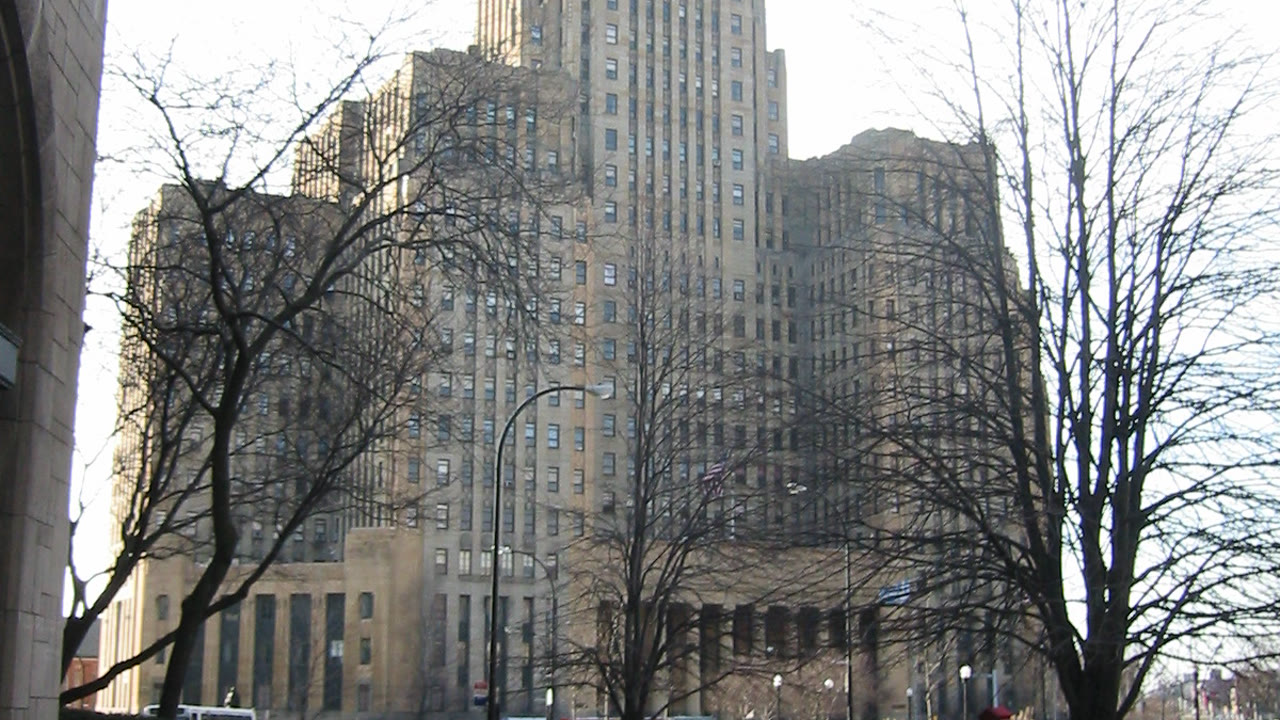
Buffalo, New York downtown office towers rising above bare trees on a winter street
    Buffalo, New York

    Pest Control Software Built for Buffalo Operators

    Lake-effect snow drives mice and squirrels indoors early, the city's stock of narrow double-decker two-family homes shares more wall space than almost any other housing type in the state, and Grand Island lake cottages come alive every spring. Our AI systems answer every one of those calls the second the phone rings.

    Typical Buffalo implementation goes live in about 30-90 days.

    Why Buffalo winters set the pest calendar for the rest of the year

    A city shaped by Lake Erie weather and a distinctive housing stock means the phone rings differently depending on the season and the block.

    Lake-effect snow pushes rodents indoors weeks before other markets

    The first heavy lake-effect band off Erie sends mice and squirrels looking for warm voids well before Thanksgiving, so a Buffalo operator sees fall rodent calls spike earlier and harder than crews just a few hours south.

    Double-decker two-family homes complicate every roach and bed bug job

    Buffalo's classic stacked two-family houses on the East Side and West Side share plumbing chases and attic space between an upstairs and downstairs unit, so a single roach report almost always means two apartments and two landlords need to be scheduled together.

    Grand Island and the Niagara River corridor bring a hard seasonal opening rush

    Waterfront cottages and second homes on Grand Island and along the Niagara sit closed all winter, and the ice-out reopening in April floods the phones with overwintering wasp nests, mouse damage, and spring inspection requests within a two-week window.

    Aging brick foundations downtown invite carpenter ants after freeze-thaw cycles

    Repeated freeze-thaw damage to mortar joints in the older brick housing stock around Allentown and the Elmwood Village opens seams that carpenter ants exploit each spring, a problem that inland suburban builders rarely deal with at the same scale.

    The Southtowns steel-belt corridor still generates industrial and warehouse pest contracts

    Facilities along the old steel corridor in Lackawanna and West Seneca need documented rodent and stored-product pest programs for food-adjacent and light-industrial tenants, work that runs on a stricter inspection cadence than a typical residential route.

    Delaware Park and the Olmsted parkway system push tree-based pests into adjacent streets

    Mature elm and oak canopy along the historic Olmsted parkways feeds carpenter ant colonies and produces heavy fall leaf litter that shelters overwintering insects, so homes along Lincoln Parkway and Chapin Parkway see steady exterior treatment demand each year.

    What we build for you

    What that means for your phones and your crews

    We configure around a market where a November snow squall and an April cottage reopening can each flood the phones on their own.

    Catch the early lake-effect rodent surge before competitors do

    Voice AI answers every call the moment the first hard freeze hits, so homeowners calling about scratching in the walls get booked instead of hitting voicemail during your busiest week.

    See Voice AI

    Coordinate two-family double-decker jobs without double-booking a landlord

    The AI Sales System keeps upstairs and downstairs units linked to the same property record, so a single roach report becomes one coordinated appointment instead of two conflicting calls.

    See the AI Sales System

    Handle the Grand Island reopening rush without losing a single caller

    Messaging AI answers the flood of spring cottage-opening texts in the two-week window after ice-out, logging each request so no waterfront account gets missed during the seasonal crunch.

    See Messaging AI

    Want to see what this looks like against your own Buffalo call volume? We will walk through it on a 30-minute call.

    Book a Discovery Call

    Operators across the Buffalo area

    Service areas from the city core out to the Niagara River waterfront are configured during onboarding.

    • Downtown Buffalo
    • Elmwood Village
    • Allentown
    • North Buffalo
    • West Seneca
    • Cheektowaga
    • Grand Island
    • Amherst
    • Tonawanda

    Connected to the software you already run

    We have a deep, purpose-built FieldRoutes integration, and over 1,000 API connections available for everything else, so your Buffalo operation keeps one source of truth instead of four.

    All third-party product names, logos, and brands are property of their respective owners. Use of these names does not imply endorsement or affiliation.

    What AI adoption looks like in Buffalo

    Buffalo operators deal with a compressed, weather-driven calendar: an early rodent surge each fall, a two-family housing stock that turns every roach call into a two-unit coordination problem, and a hard seasonal opening rush on Grand Island each spring. Always-on intake matters more here than in a market with a flatter, more even year-round call pattern.

    • Lake-effect snow triggers an early, sharp fall rodent surge
    • Double-decker two-family homes turn single complaints into two-unit jobs
    • Grand Island and Niagara River cottages reopen in a tight spring window
    • Freeze-thaw damage to older brick invites carpenter ants each spring

    Deciding whether AI is right for your business at all is a separate question from which market you are in. We answer it honestly, including when the answer is not yet, in our AI decision guides, starting with should I use AI in my pest control business.

    Buffalo's pest calendar: lake effect, parkway canopy, and river ice-out

    Lake Erie's moderating and then punishing influence on temperature, combined with the city's mature tree canopy and waterfront geography, produces a call pattern that shifts hard from one month to the next.

    September - October

    As nights cool along the lakeshore, cluster flies and multicolored Asian lady beetles begin working south- and west-facing walls in North Buffalo and Amherst, while the first lake-effect chill sends field mice from farmland edges toward Cheektowaga and West Seneca garages earlier than inland New York markets see.

    November - December

    The first sustained lake-effect band typically arrives before Thanksgiving, and the cold snap that follows drives the year's sharpest rodent surge into double-decker homes on the East Side and West Side, where shared attic space between units means one report often means two.

    January - February

    Deep winter locks in lake-effect snow cover across the region, and pest activity moves entirely indoors: mice already nested in wall voids stay put, and older homes near Allentown report scratching in ceilings as squirrels use snow drifts to reach roof lines.

    March - April

    As Lake Erie ice breaks up, carpenter ants in older brick homes near Elmwood Village become active again, exploiting freeze-thaw cracks in mortar joints, and the first termite swarmers of the year appear in South Buffalo basements with older foundations.

    Late April - May

    Ice-out on the Niagara River triggers the hard, compressed reopening rush for Grand Island cottages and river-corridor second homes, with overwintering wasp nests, mouse damage reports, and spring inspection requests all landing within roughly two weeks.

    June - August

    Warm, humid stretches off the lake bring ants and yellowjackets into kitchens across the outer suburbs, while downtown high-rises and older commercial buildings near Chippewa Street see a steady run of German cockroach calls tied to restaurant-adjacent plumbing.

    Running crews across the city and the Southtowns and Northtowns

    Buffalo's grid of dense city neighborhoods, the Southtowns industrial corridor, and the spread-out Northtowns suburbs each demand a different routing approach, and winter weather adds a layer most operators elsewhere don't plan around.

    The I-190 and Route 5 corridor sets the north-south backbone

    Most moves between city neighborhoods, the Niagara River waterfront, and Grand Island run along I-190 or Route 5, and lake-effect squalls can shut visibility down on these roads with little warning, so dispatch builds buffer time into winter routes as a default.

    Double-decker density in the East Side and West Side rewards tight clustering

    Narrow lots and shared walls mean a technician can often service several two-family properties within a few blocks, but only if the scheduling system recognizes that an upstairs and downstairs unit at the same address should be booked together rather than as separate appointments.

    Grand Island access runs through two bridges with real bottlenecks

    The North and South Grand Island Bridges carry all vehicle traffic to and from the island, and both can back up during summer weekend cottage traffic, so crews servicing Grand Island accounts typically front-load or end their day there to avoid getting stuck in bridge traffic mid-route.

    Southtowns industrial accounts run on commercial inspection windows

    Warehouse and light-industrial tenants along the old steel corridor in Lackawanna and West Seneca often require inspections during specific facility hours, which means those stops get locked into the schedule first and residential work gets built around them.

    Snow removal priority streets affect which neighborhoods are reachable first

    During and after a lake-effect event, city and county plows clear primary routes before secondary residential streets, so crews in North Buffalo or the Elmwood Village may reach a job site well before a technician can get down an unplowed side street in South Buffalo.

    Historic preservation rules affect exclusion work on older buildings

    Structures in designated historic districts near Allentown sometimes restrict changes to exterior brick and trim, so exclusion work has to work within those limits, and crews who know the district boundaries avoid proposing fixes that a homeowner later can't get approved.

    Buffalo pest control questions we get asked

    Buffalo AI guides

    Location-specific guides written for the pest pressure, routes, and customer behavior of this market.

    Buffalo overview
    • Should you use AIShould I use AI in my Buffalo pest control business?Coming soon.
    • Will customers talk to AIWill pest control customers in Buffalo talk to AI?Coming soon.
    • Best AI for pest controlWhat is the best AI for pest control in Buffalo?Coming soon.
    • Speed to leadHow can Buffalo pest control companies win with speed-to-lead?Coming soon.
    • Best software stackWhat is the best pest control software for Buffalo operators?Coming soon.
    • Local marketingHow should pest control companies in Buffalo market themselves locally?Coming soon.
    • Reviews & reputationHow can Buffalo pest control companies get more reviews and protect their reputation?Coming soon.
    • Seasonal playbookWhat is the seasonal pest control playbook for Buffalo?Coming soon.
    • Commercial AIHow does AI help commercial pest control accounts in Buffalo?Coming soon.
    • Hiring vs AIShould Buffalo pest control operators hire office staff or use AI?Coming soon.
    Free 48 KB PDF

    Download the Buffalo, NY Pest Control AI Playbook

    A short one-pager on the Buffalo market, the systems we build for operators here, and how implementation runs, written to be printed and passed around.

    • A Buffalo market snapshot, the pressure that drives your call volume
    • The AI systems we run for operators here, in plain language
    • What a 30-day implementation actually looks like
    • Printable, so you can hand it to your office team

    Last updated 2026-09-17

    Loading the Buffalo playbook form

    Three ways to see it working in Buffalo

    Book a demo

    A 30-minute walkthrough against your own Buffalo call volume.

    Book a Discovery Call

    Start a chat

    Try the messaging AI that answers texts, webchat, and social for pest control teams.

    Start a Chat

    Start free with PestGPT

    Use our free pest control AI assistant today, no contract, no setup call.

    Try PestGPT Free
    Final step

    Let's look at how your team handled last year's first freeze

    Pull your call log from the week of the first hard lake-effect band. We can show you how many rodent calls went unanswered while your crew was already at capacity.

    • A real review of your intake, not a canned demo
    • 30 minutes, and a typical implementation runs about 30-90 days
    • No contract to talk. We never share your details.

    Request your Buffalo walkthrough

    Prefer to pick a time yourself? Book a Discovery Call