
Dense postwar suburban housing keeps rodent volume steady
Cranston's ranch and cape-style neighborhoods see consistent rodent and ant service requests throughout the year.
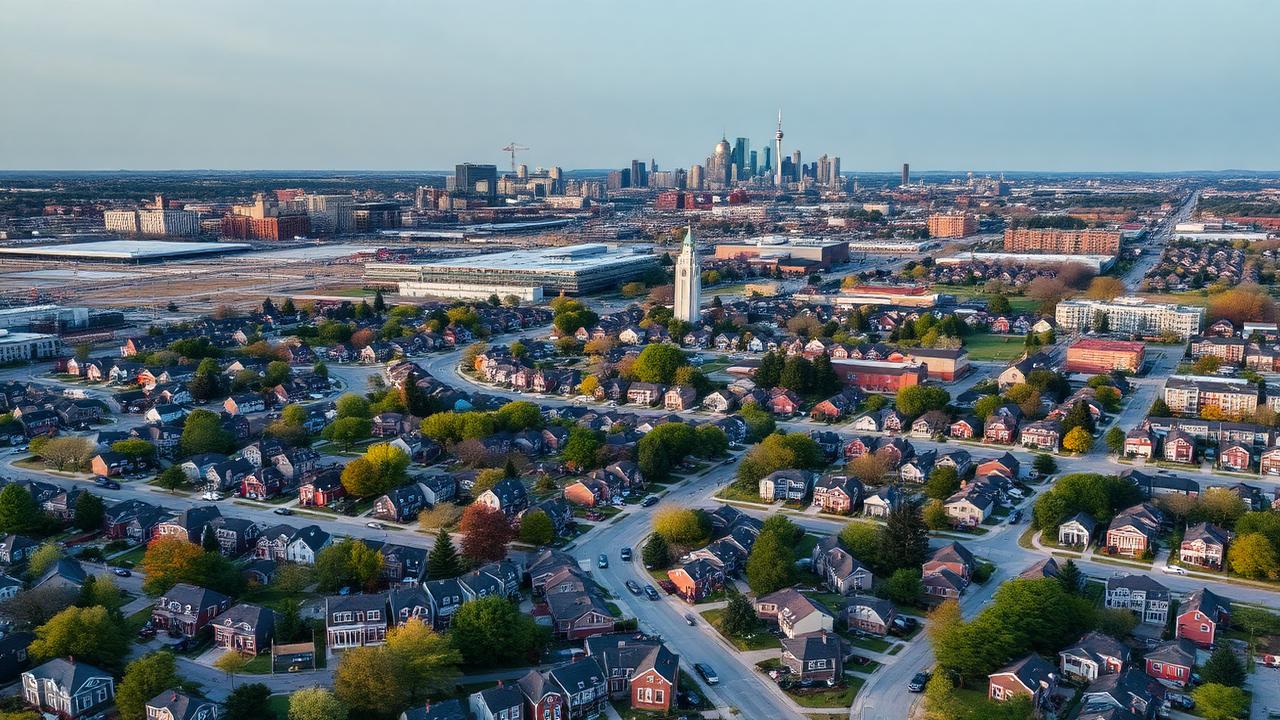
Dense postwar suburban neighborhoods, historic mill-village pockets, and steady four-season pest pressure keep demand constant across Cranston. Our AI systems capture every call while your crews cover Providence County.
Typical Cranston implementation goes live in about 30-90 days.
Rhode Island's third-largest city mixes dense postwar suburban development with older mill-village neighborhoods near the Pawtuxet River.
Cranston's ranch and cape-style neighborhoods see consistent rodent and ant service requests throughout the year.
Older homes near the Pawtuxet River see ant, termite and moisture-pest activity tied to persistent humidity.
Denser rental housing bordering Providence keeps roach and bed bug service requests steady.
Carpenter ants and yellowjackets are common complaints in older wood-frame homes each spring and summer across Cranston.
We configure around suburban rodent volume, mill-village moisture pests, and multifamily roach demand.
Voice AI answers around the clock across Cranston's dense residential neighborhoods so no call gets lost.
See Voice AIMessaging AI confirms access across multi-unit buildings near the Providence line.
See Messaging AIThe AI Sales System flags spring and summer seasonal spikes so crews can plan capacity ahead of demand.
See the AI Sales SystemWant to see what this looks like against your own Cranston call volume? We will walk through it on a 30-minute call.
Book a Discovery CallService areas from Cranston out through Providence, Warwick and Johnston are configured during onboarding.
We have a deep, purpose-built FieldRoutes integration, and over 1,000 API connections available for everything else, so your Cranston operation keeps one source of truth instead of four.
All third-party product names, logos, and brands are property of their respective owners. Use of these names does not imply endorsement or affiliation.
Cranston operators work a market spanning dense postwar suburbs and older mill-village neighborhoods. AI intake keeps every suburban, multifamily, and seasonal call accounted for.
Deciding whether AI is right for your business at all is a separate question from which market you are in. We answer it honestly, including when the answer is not yet, in our AI decision guides, starting with should I use AI in my pest control business.
Cranston's mix of postwar suburbs and older mill-village housing along the Pawtuxet River produces a pest calendar that shifts noticeably between neighborhoods each quarter.
Carpenter ants swarm inside older wood-frame homes in Pawtuxet Village and Edgewood as the mill-era construction there warms up faster than newer Garden Hills subdivisions. Termite swarmers also appear in homes with older foundations near the river, and residents frequently confuse the two, which makes accurate intake questioning important before a truck is dispatched. Spring rains along the Pawtuxet River raise humidity in older basements, feeding early-season ant activity.
Yellowjackets and paper wasps build nests around eaves and playground equipment in Cranston's dense suburban neighborhoods, generating urgent sting-related calls through the summer. Mosquito complaints rise near the Pawtuxet River and its tributary wetlands as standing water persists through the humid months. Multifamily buildings near the Providence line see a steady rise in roach activity as summer heat drives residents to prop doors and windows open.
Roach and bed bug service requests from rental turnover near the Providence border pick up as leases change hands in early fall, and shared walls in denser multifamily buildings let both pests move between units quickly. Overwintering pests like boxelder bugs and stink bugs begin clustering on sunny exteriors of Garden Hills and Edgewood homes as temperatures drop. Wasps remain aggressive into October before colonies finally die off with the first hard frost.
Rodents move into Cranston's postwar ranch and cape-style homes through foundation gaps and door thresholds, with the heaviest volume in older housing stock near Pawtuxet Village where mill-era construction has settled over decades. Multifamily buildings near Providence also see winter rodent complaints as buildings share walls and utility chases that let mice travel between units undetected.
Brief January thaws along the Pawtuxet River trigger a secondary wave of rodent sightings as mice already indoors near heat sources become more active and visible during warmer stretches, even as outdoor foraging stays limited. Cranston homeowners near Edgewood and Garden Hills often mistake this mid-winter activity for a new infestation rather than an existing one becoming noticeable, which means intake benefits from asking whether scratching or droppings were present earlier in the season before scheduling a first-time visit.
As snowmelt saturates basements near the Pawtuxet River in Pawtuxet Village and low-lying Edgewood streets, silverfish and centipede sightings rise in damp basements and older bathrooms before the carpenter ant swarms of true spring begin. These calls arrive earlier than the seasonal ant surge and often come from residents in mill-era homes with fieldstone foundations that hold groundwater longer than the poured foundations common in Garden Hills subdivisions.
Cranston's position between Providence and Warwick means routes constantly cross jurisdiction lines and traffic patterns that shift by time of day.
Reservoir Avenue's retail corridor and the Route 10 connector both see heavy commuter traffic during rush hours, and a route scheduled through either during peak times loses real minutes compared to a mid-day slot. Crews serving both Garden Hills and Pawtuxet Village stops in one day plan around these two corridors specifically rather than assuming a straight-line drive time.
Buildings near the Providence line require more time per stop because of shared entryways, buzzer systems and the need to coordinate with property managers across multiple units, and treating these like single-family stops understaffs the visit. Dispatch clusters these buildings into dedicated blocks rather than mixing them into a standard residential loop.
Pawtuxet Village's older mill-era streets are narrower than Cranston's newer suburban developments and often lack driveways, which means techs spend extra time finding parking and carrying equipment on foot. Scheduling standard time windows here, the same as a Garden Hills subdivision stop, consistently runs a route behind.
For crews covering both Cranston proper and outlying Johnston or Warwick stops in the same day, I-295 is consistently the fastest connector, but it requires deliberate route planning since surface streets through central Cranston add significant time by comparison. Dispatch that defaults to surface streets out of habit loses stops it could otherwise fit into the day.
Retail tenants at Garden City Center and along Reservoir Avenue's commercial strip generally want service before opening or after closing to avoid disrupting customers, which means dispatch has to carve out early-morning or evening slots separate from the residential daytime schedule. Treating a shopping-center account like a standard daytime residential stop creates scheduling conflicts with store managers who need pest work done out of sight of shoppers.
Nor'easters and heavy snow events common to Rhode Island winters can shut down an entire day's route with little notice, and Cranston's mix of narrow Pawtuxet Village streets and hilly Garden Hills terrain makes plowing uneven across neighborhoods. Operators who build a standing text-based rebooking process move a canceled day's appointments into the following week without each one requiring an individual phone call, which matters most during the December through February stretch when storm cancellations are most frequent.
More reading for operators working Cranston, RI and the markets around it.
Location-specific guides written for the pest pressure, routes, and customer behavior of this market.
A short one-pager on the Cranston market, the systems we build for operators here, and how implementation runs, written to be printed and passed around.
Last updated 2026-09-17
Try the messaging AI that answers texts, webchat, and social for pest control teams.
Start a ChatUse our free pest control AI assistant today, no contract, no setup call.
Try PestGPT FreePull last April through June. We'll show you how many Cranston ant and yellowjacket calls came in after hours and never got a callback.
The Rhode Island guide covers statewide pest pressure, licensing and call patterns, and links every Rhode Island city guide we publish, including this one.