
T.F. Green Airport and surrounding commercial accounts need fast response
Hotels, warehouses and businesses near the airport expect same-day attention on any rodent sighting tied to inspections.
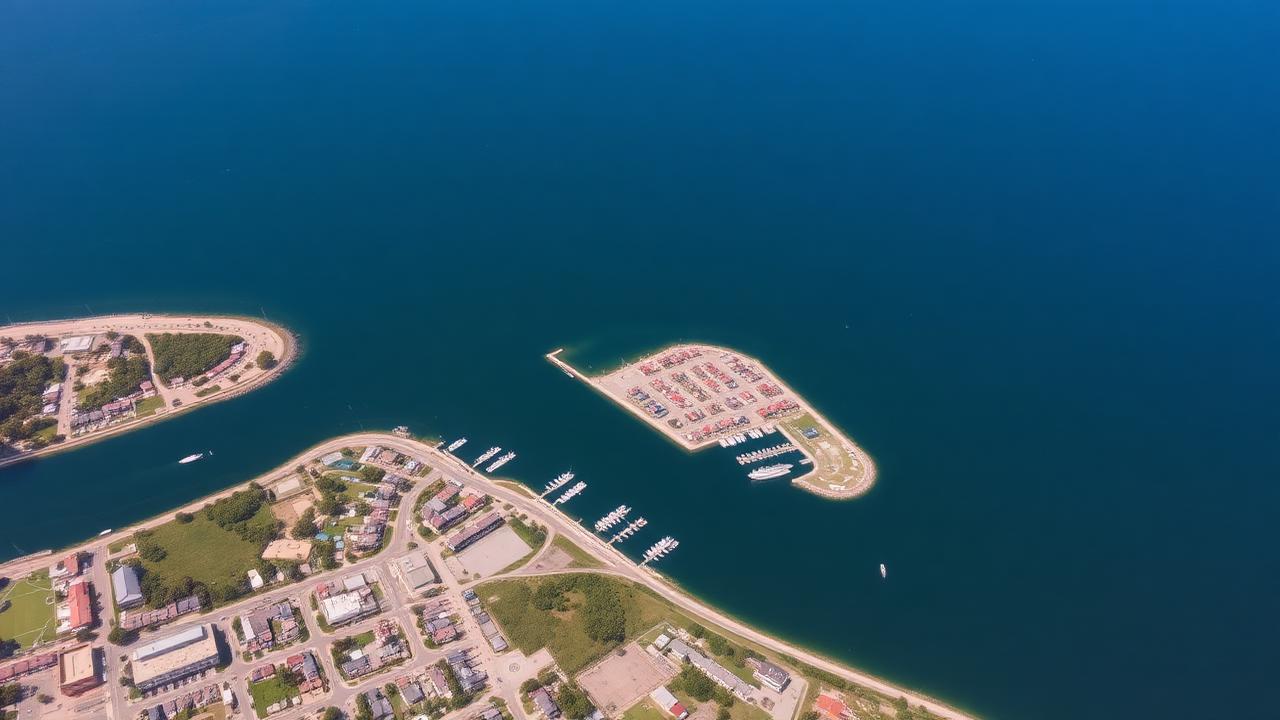
Narragansett Bay humidity, airport-adjacent commercial accounts, and dense suburban housing keep rodent and moisture-pest calls steady all year. Our AI systems capture every call while your crews cover Kent County.
Typical Warwick implementation goes live in about 30-90 days.
Rhode Island's second-largest city combines a Narragansett Bay coastline with T.F. Green Airport-area commercial development.
Hotels, warehouses and businesses near the airport expect same-day attention on any rodent sighting tied to inspections.
Coastal proximity keeps summer humidity elevated, feeding ant and mosquito complaints near Oakland Beach and Conimicut.
Warwick's mid-century ranch and cape-style neighborhoods see consistent rodent and ant service requests through the year.
Boat storage facilities and waterfront homes see seasonal spikes in rodent activity as boats are winterized each fall.
We configure around airport-commercial urgency, coastal humidity pests, and suburban housing volume.
Voice AI answers around the clock and flags airport-adjacent commercial accounts for priority handling.
See Voice AIMessaging AI confirms scheduling across Warwick's dense residential neighborhoods so no call gets lost.
See Messaging AIThe AI Sales System tracks seasonal volume near marinas so crews can plan capacity ahead of fall winterization.
See the AI Sales SystemWant to see what this looks like against your own Warwick call volume? We will walk through it on a 30-minute call.
Book a Discovery CallService areas from Warwick out through Cranston, East Greenwich and Coventry are configured during onboarding.
We have a deep, purpose-built FieldRoutes integration, and over 1,000 API connections available for everything else, so your Warwick operation keeps one source of truth instead of four.
All third-party product names, logos, and brands are property of their respective owners. Use of these names does not imply endorsement or affiliation.
Warwick operators work a market shaped by airport-area commercial growth and a Narragansett Bay coastline. AI intake keeps every commercial, coastal, and suburban call accounted for.
Deciding whether AI is right for your business at all is a separate question from which market you are in. We answer it honestly, including when the answer is not yet, in our AI decision guides, starting with should I use AI in my pest control business.
Kent County's bay-and-airport geography produces a pest calendar shaped as much by Narragansett Bay humidity as by New England's harsh winters.
Subterranean termite swarms appear in older Warwick neighborhoods near Apponaug and Governor Francis, particularly in homes with wood-to-soil contact common in mid-century Rhode Island construction. Carpenter ants also become active as thawing wood-frame structures near Oakland Beach warm up faster than the surrounding air. T.F. Green Airport-area hotels request spring inspections ahead of the busy summer travel season, when any pest sighting risks a guest complaint.
Mosquito complaints climb sharply near Conimicut and the Bay's tidal marshes as standing water in coastal drainage areas becomes a breeding source through the humid summer months. Ants move indoors seeking moisture as lawns and gardens dry between storms, and stinging insects build nests around waterfront decks near Oakland Beach. Airport-area commercial accounts see the year's highest call volume as hotel occupancy and warehouse activity both peak.
Boat owners begin winterizing vessels at marinas along the bay, and rodents that had been living around dock structures and boat storage facilities move toward nearby homes and businesses as their usual shelter disappears. This seasonal marina-driven rodent spike is one of the most predictable patterns in the Warwick market, concentrated in the weeks immediately following the first hard frost. Overwintering stink bugs also begin clustering on sun-facing exteriors across Kent County.
Cold weather pushes rodents deep into attics and basements across Warwick's dense postwar ranch neighborhoods, and airport-adjacent commercial accounts request mid-winter inspections to keep mice out of stored inventory during the slower travel season. Overwintering stink bugs and boxelder bugs that entered homes in the fall become active again during warm spells, appearing inside on unseasonably mild days.
January thaws along Narragansett Bay bring brief warm, humid stretches that wake overwintering cluster flies and centipedes inside older Warwick homes near Pawtuxet Village, especially those with fieldstone foundations that hold moisture longer than modern construction. Basements near the Pawtuxet River see the earliest sump-pump-adjacent pest activity of the year during these thaws. Crews use this narrow window to get ahead of the spring termite swarm season with early inspections at accounts already flagged for wood-to-soil contact.
As late-summer nectar sources dry out across Kent County, yellowjackets turn aggressive and forage closer to trash areas and outdoor dining near Apponaug and the Warwick Mall corridor, producing a sharp uptick in sting-related emergency calls through September. Ground nests along undeveloped edges near Rocky Point State Park become a recurring hazard for landscaping crews and homeowners alike. This surge typically fades once temperatures drop consistently below fifty degrees in early October.
Warwick's compact size hides real routing complexity between airport traffic, bayfront neighborhoods and dense postwar subdivisions.
Routes that pass near T.F. Green Airport on Post Road or Warwick Avenue run into rental-car and passenger pickup congestion that has nothing to do with normal rush hour, and a flight-delay-driven traffic surge can derail a tightly scheduled afternoon. Crews serving airport-adjacent commercial accounts build extra buffer into those specific stops rather than assuming normal drive times.
Oakland Beach and Conimicut have narrow streets that were laid out for smaller mid-century homes and see seasonal congestion from beachgoers and boaters in summer. A route that treats a July Oakland Beach stop the same as a January one will consistently run behind schedule during peak boating season.
Warwick's postwar residential core is dense enough that a well-clustered route can hit six or seven stops in a tight loop, but only if intake captures accurate addresses within neighborhoods like Governor Francis Farms and Buttonwoods where street layouts repeat similar names. Misrouted addresses in these subdivisions cost real time compared to more clearly delineated newer developments.
The fall marina winterization rodent surge concentrates a large share of seasonal demand into about six weeks, which means crews need temporary routing priority for waterfront accounts during that window rather than treating every service area as equally urgent year-round.
Chain hotels along Jefferson Boulevard and distribution warehouses near the airport sign recurring service contracts that require documented visit logs for corporate compliance reviews, distinct from the one-off calls typical of residential Warwick work. Messaging AI can confirm these scheduled commercial visits and log completion automatically, which matters when a property manager needs proof of service for an audit rather than a friendly reminder text.
Warwick's Oakland Beach and Conimicut waterfront take the brunt of nor'easter flooding, and a storm that closes West Shore Road or floods low-lying streets can wipe out an entire day of bayfront appointments with almost no warning. Operators who use AI systems to text affected partners a same-day rebooking option avoid the pileup of manual callbacks that typically follows a canceled storm-day route.
Warwick sits close enough to Providence that experienced technicians can commute either direction, so retention depends on giving techs efficient, tightly clustered routes rather than long airport-to-Coventry drives that eat into a workday. A dispatch system that respects Kent County's real geography, rather than assigning stops by zip code alone, keeps daily mileage reasonable enough to compete for talent.
Investors managing rental properties across Cranston, Warwick and East Greenwich prefer one consolidated invoice and one point of contact rather than separate service relationships for each address. Structuring these accounts as a single recurring contract, with the AI Sales System tracking renewal dates across every unit, turns scattered single-property calls into one dependable multi-unit relationship.
More reading for operators working Warwick, RI and the markets around it.
Location-specific guides written for the pest pressure, routes, and customer behavior of this market.
A short one-pager on the Warwick market, the systems we build for operators here, and how implementation runs, written to be printed and passed around.
Last updated 2026-09-17
Try the messaging AI that answers texts, webchat, and social for pest control teams.
Start a ChatUse our free pest control AI assistant today, no contract, no setup call.
Try PestGPT FreePull last September through November. We'll show you how many marina-adjacent rodent calls came in after hours and never got a callback.
The Rhode Island guide covers statewide pest pressure, licensing and call patterns, and links every Rhode Island city guide we publish, including this one.