
Triple-deckers and older multifamily housing drive rodent and roach calls
Dense, older housing stock in neighborhoods like Riverside and Rumford lets mice and roaches travel between units through shared basements and walls.
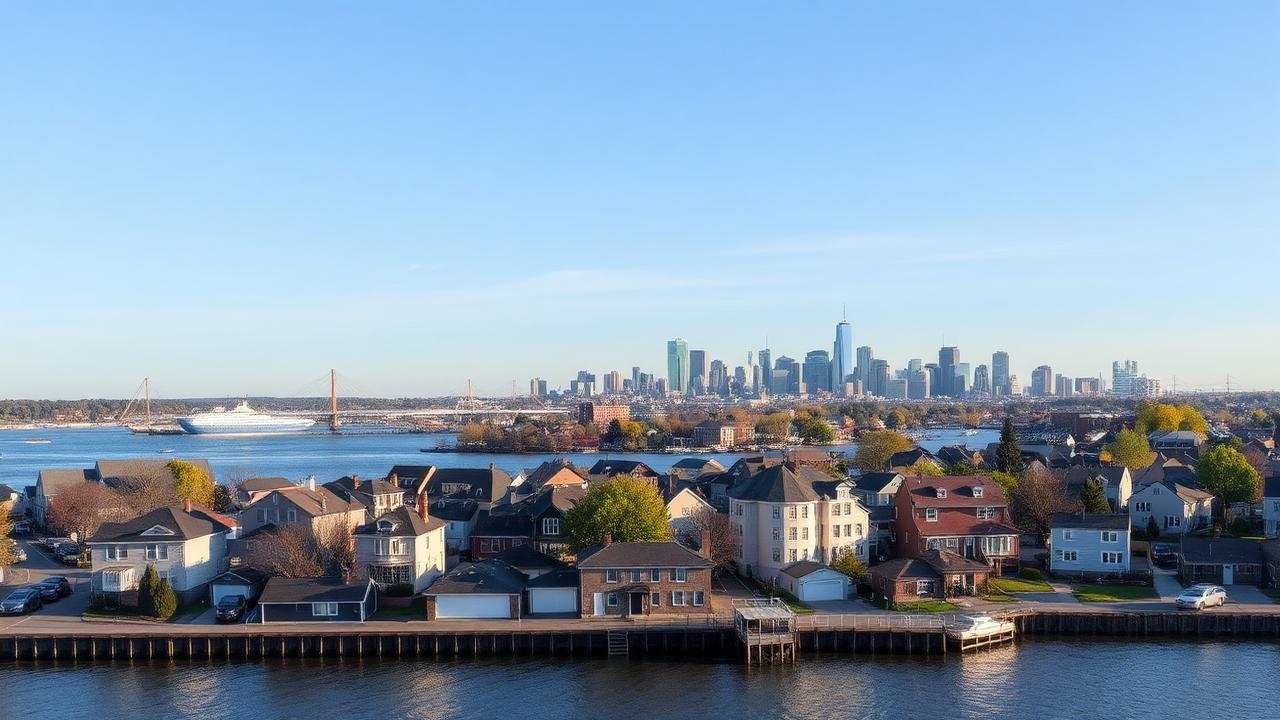
Coastal New England humidity, aging triple-decker and multifamily housing stock along the Seekonk River, and dense urban rodent pressure keep pest calls steady all year. Our AI systems capture every call while your crews cover the East Bay.
Typical East Providence implementation goes live in about 30-90 days.
Sitting across the Seekonk River from Providence, East Providence's mix of aging triple-deckers, older municipal infrastructure, and coastal humidity keeps rodent, ant, wildlife, and moisture-pest calls consistent year-round rather than concentrated into one or two spikes.
Dense, older housing stock in neighborhoods like Riverside and Rumford lets mice and roaches travel between units through shared basements and walls.
Proximity to the river and Narragansett Bay keeps summer humidity high, favoring carpenter ants, silverfish, and mosquito complaints near low-lying yards.
As temperatures drop, mice and squirrels seek entry into attics, basements, and garages across the city's older housing stock.
Restaurants and small businesses along the waterfront and near the Washington Bridge corridor expect quick turnaround to protect their public-facing operations.
Parts of East Providence still run on aging municipal sewer lines dating to the early 20th century, and cracks or slow drains in older triple-deckers give drain flies and German cockroaches an easy path from plumbing into kitchens.
Century-old rooflines with worn soffits and chimneys create easy entry points for squirrels and raccoons, especially in neighborhoods like Rumford and Kettle Point where original roof construction has never been fully updated.
We configure around multifamily rodent volume, coastal humidity pests, and seasonal cold-weather intrusion.
Voice AI answers around the clock and gathers unit and building details so your team knows if it's a single unit or a building-wide job.
See Voice AIMessaging AI confirms access windows across multi-unit buildings so techs aren't turned away at the door.
See Messaging AIThe AI Sales System flags seasonal rodent exclusion requests as temperatures drop, helping crews get ahead of the fall rush.
See the AI Sales SystemVoice AI intake can distinguish a squirrel-in-the-attic call from a drain fly complaint so dispatch sends a technician equipped for the actual job instead of guessing from a vague voicemail.
See Voice AIWant to see what this looks like against your own East Providence call volume? We will walk through it on a 30-minute call.
Book a Discovery CallService areas from East Providence out through Riverside, Rumford and Barrington are configured during onboarding.
We have a deep, purpose-built FieldRoutes integration, and over 1,000 API connections available for everything else, so your East Providence operation keeps one source of truth instead of four.
All third-party product names, logos, and brands are property of their respective owners. Use of these names does not imply endorsement or affiliation.
East Providence operators work a dense East Bay market where aging multifamily housing and coastal humidity keep demand steady year-round. AI intake keeps every unit, building, and seasonal rodent spike accounted for.
Deciding whether AI is right for your business at all is a separate question from which market you are in. We answer it honestly, including when the answer is not yet, in our AI decision guides, starting with should I use AI in my pest control business.
East Providence sits on Narragansett Bay's upper reaches, and its mix of humid coastal summers, cold New England winters, and a dense stock of century-old triple-deckers produces a call pattern distinct from inland Rhode Island towns.
As the ground thaws, carpenter ants that overwintered in damp sills near the Seekonk River and low-lying Riverside yards start foraging again, and the first calls of the year typically come from older triple-decker basements.
Warming, humid air off Narragansett Bay brings mosquito complaints in low-lying yards near Kettle Point and Bold Point Park, while carpenter ant swarms in older wood-frame homes pick up through Rumford and downtown East Providence.
Peak bay humidity keeps moisture pests active, and dense multifamily housing in older sections of the city sees roach and ant calls travel between units through shared basements and party walls.
Cooling nights send mice looking for entry points into triple-decker foundations and older single-family homes alike, generating the year's most consistent rodent-entry wave across Riverside and downtown.
Cold sets in and rodents move solidly indoors, with older housing near the Seekonk River and Watchemoket reporting mice in basements, garages, and shared building walls.
Deep winter keeps most insect activity dormant, but rodent-entry calls stay steady in century-old multifamily buildings as mice continue pushing into heated units through gaps between apartments.
East Providence's tight street grid, older multifamily housing stock, and bridges connecting it to Providence all shape how routes get built here.
Technicians moving between East Providence and Providence proper typically route through one of these two bridges, so appointments get grouped to avoid backtracking across the Seekonk River during commute hours.
A single address in older sections of the city can mean three separate units needing service, so scheduling treats multi-unit buildings differently from single-family homes to account for the extra time per stop.
Riverside sits about 10 minutes south of downtown East Providence and Rumford a similar distance north, so those areas are typically grouped into their own route blocks rather than mixed into central-city stops.
Streets near Watchemoket Square and other older sections have limited off-street parking, so bigger service vehicles sometimes need a smaller vehicle swap for those stops.
Barrington sits in Rhode Island while Seekonk crosses into Massachusetts, so dispatch needs to track which state's licensing and compliance paperwork applies to each stop.
Streets closest to the bay in Kettle Point and along the waterfront can hold ice longer into the morning than inland neighborhoods, so winter routes sometimes push those stops later once the sun clears the roads.
Many older triple-deckers are managed by landlords who don't live on-site, so scheduling access across several tenants for one building visit takes more coordination than a single-family appointment.
Because East Providence and its surrounding towns are geographically compact, most routes stay under 20 minutes between stops, letting crews pack more appointments into a day than in a sprawling metro.
Many East Providence-based operators also service Pawtucket and parts of Providence, so route builders need to account for city-line differences in permitting and any municipal notification requirements that can vary block to block.
Several commercial properties near downtown East Providence occupy converted industrial or early-20th-century buildings with irregular floor plans, so technicians often need building-specific access notes rather than a standard front-door approach.
More reading for operators working East Providence, RI and the markets around it.
Location-specific guides written for the pest pressure, routes, and customer behavior of this market.
A short one-pager on the East Providence market, the systems we build for operators here, and how implementation runs, written to be printed and passed around.
Last updated 2026-09-17
A 30-minute walkthrough against your own East Providence call volume.
Book a Discovery CallTry the messaging AI that answers texts, webchat, and social for pest control teams.
Start a ChatUse our free pest control AI assistant today, no contract, no setup call.
Try PestGPT FreePull your October and November call logs. We'll show you how many rodent exclusion calls came in after hours and never got a callback.
The Rhode Island guide covers statewide pest pressure, licensing and call patterns, and links every Rhode Island city guide we publish, including this one.