
Converted mill buildings bring mixed residential-commercial pest needs across Pawtucket
Old textile mills along the Blackstone River converted to apartments, offices and studios need pest management spanning both uses in the same structure.
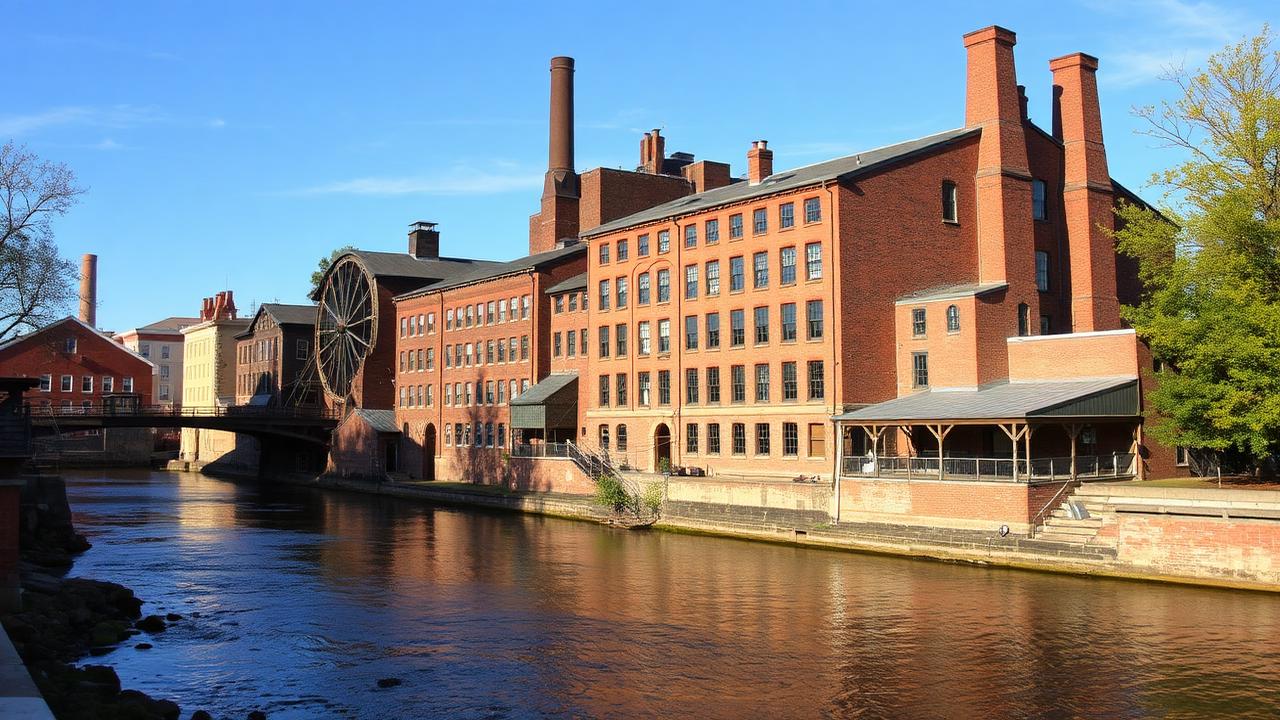
The birthplace of the American Industrial Revolution, Pawtucket's converted mill buildings, Blackstone River humidity, and dense old multifamily housing keep rodent and moisture-pest calls steady year-round. Our AI systems capture every Pawtucket call while your crews cover Providence County.
Typical Pawtucket implementation goes live in about 30-90 days.
Home to Slater Mill and America's first textile factory, Pawtucket pairs a historic mill district along the Blackstone River with dense old multifamily housing.
Old textile mills along the Blackstone River converted to apartments, offices and studios need pest management spanning both uses in the same structure.
Neighborhoods like Woodlawn and Fairlawn sit in aging triple-deckers with shared basements that let pests move between units.
Riverside neighborhoods see elevated humidity feeding ant and mosquito complaints through the warmer months across Pawtucket.
Tight lot spacing in central Pawtucket lets rodent and roach populations move easily from property to property.
We configure around mill-building complexity, dense multifamily volume, and river-driven moisture pests.
Voice AI answers around the clock and gathers building and unit details so techs know what they're walking into.
See Voice AIMessaging AI confirms access across mixed residential and commercial tenants in converted mill properties.
See Messaging AIThe AI Sales System routes property manager requests separately from individual tenant calls for accurate scheduling.
See the AI Sales SystemWant to see what this looks like against your own Pawtucket call volume? We will walk through it on a 30-minute call.
Book a Discovery CallService areas from Pawtucket out through Central Falls, Providence and Cumberland are configured during onboarding.
We have a deep, purpose-built FieldRoutes integration, and over 1,000 API connections available for everything else, so your Pawtucket operation keeps one source of truth instead of four.
All third-party product names, logos, and brands are property of their respective owners. Use of these names does not imply endorsement or affiliation.
Pawtucket operators work a market shaped by a historic mill district along the Blackstone River and dense old multifamily housing. AI intake keeps every mill-conversion, multifamily, and river-driven call accounted for.
Deciding whether AI is right for your business at all is a separate question from which market you are in. We answer it honestly, including when the answer is not yet, in our AI decision guides, starting with should I use AI in my pest control business.
Pawtucket's river valley climate and aging housing stock drive a predictable pattern of calls tied to the Blackstone River, its stone-and-brick multifamily buildings, and New England's freeze-thaw cycle. Crews that plan around these windows keep ahead of the surge instead of chasing it.
As triple-decker attics and mill-conversion lofts along Roosevelt Avenue and Main Street warm up, overwintering ants, cluster flies, and stink bugs that pushed into wall voids each fall start showing up in kitchens and stairwells. Old brick foundations near the Blackstone River basin hold moisture into spring, giving carpenter ants an early start well before drier inland neighborhoods see activity. Property managers running multiple triple-deckers on the same block tend to call in clusters once one building reports movement, since shared party walls let colonies spread unit to unit.
Slow-moving stretches of the Blackstone River and the Ten Mile River corridor near Slater Park create standing water and thick vegetation that push mosquito complaints upward through late spring into midsummer. Riverside neighborhoods like Buttonwoods and the areas near Festival Pier see the heaviest volume, especially after rain events that leave puddles in poorly graded yards behind triple-deckers. Ant activity also spikes in this window as colonies forage indoors during humid stretches, particularly in older homes with dirt-floor basements common throughout Woodlawn and Fairlawn.
Peak heat and humidity push German roach populations hard in the shared basements and interconnected wall voids of Pawtucket's triple-deckers and converted mill apartments. Downtown buildings that mix ground-floor commercial space with upper-floor residential units see the highest call volume, since kitchen exhaust and shared plumbing chases give roaches an easy path between tenants. This is also when property managers overseeing multiple buildings around Central Falls Line Street start requesting recurring treatment schedules rather than one-off visits, since isolated treatments rarely hold in shared-wall construction.
Once nights turn cold, mice and rats move into the stone foundations and knob-and-tube-era gaps common in Pawtucket's pre-1940s housing stock, especially along Main Street and Broadway where building age runs highest. Converted mill buildings near the river see steady rodent pressure through winter as loading docks and older utility penetrations offer easy access. Cumberland and Central Falls border neighborhoods report similar patterns, and landlords managing several units often bundle exclusion work with their fall inspection so tenants aren't dealing with mid-winter callbacks.
Pawtucket's tight street grid, river crossings, and dense triple-decker blocks reward smart routing more than raw headcount. Here's what that looks like day to day.
Techs moving between Pawtucket and Central Falls or Providence often funnel through a handful of Blackstone River crossings, including the Main Street and Division Street bridges, which back up during school pickup and factory shift changes. Grouping stops by which side of the river they're on before dispatch avoids doubling back across a bridge twice in one route, saving real drive time on a schedule already tight with multi-unit stops.
Interstate 95 cuts through the western edge of the service area and Route 1 handles more local east-west traffic, both of which slow considerably during the Providence commute windows in early morning and late afternoon. Scheduling downtown Pawtucket and Woodlawn stops outside those windows, and saving Cumberland or Lincoln jobs that use I-95 for midday travel, keeps crews from losing thirty minutes each way to commuter backups.
Triple-decker blocks in Fairlawn and Woodlawn pack three or more billable units into a single building footprint, so a well-planned route can hit six or eight service calls within a few square blocks instead of driving across town for each one. Dispatchers who cluster these tight-radius jobs together rather than interleaving them with spread-out Cumberland stops get significantly more stops per truck per day.
The May-through-September window covering mosquito treatments and German roach follow-ups in multifamily buildings pushes call volume well above the winter baseline, and crews that don't add seasonal capacity end up pushing riverside mosquito jobs a week or more past the ideal treatment window. Bringing on additional summer techs, or shifting a tech from exclusion-heavy winter routes into treatment-heavy summer routes, keeps response times tight through peak season.
More reading for operators working Pawtucket, RI and the markets around it.
Location-specific guides written for the pest pressure, routes, and customer behavior of this market.
A short one-pager on the Pawtucket market, the systems we build for operators here, and how implementation runs, written to be printed and passed around.
Last updated 2026-09-17
Try the messaging AI that answers texts, webchat, and social for pest control teams.
Start a ChatUse our free pest control AI assistant today, no contract, no setup call.
Try PestGPT FreePull your July and August call logs. We'll show you how many ant and mosquito calls came in after hours and never got a callback.
The Rhode Island guide covers statewide pest pressure, licensing and call patterns, and links every Rhode Island city guide we publish, including this one.