
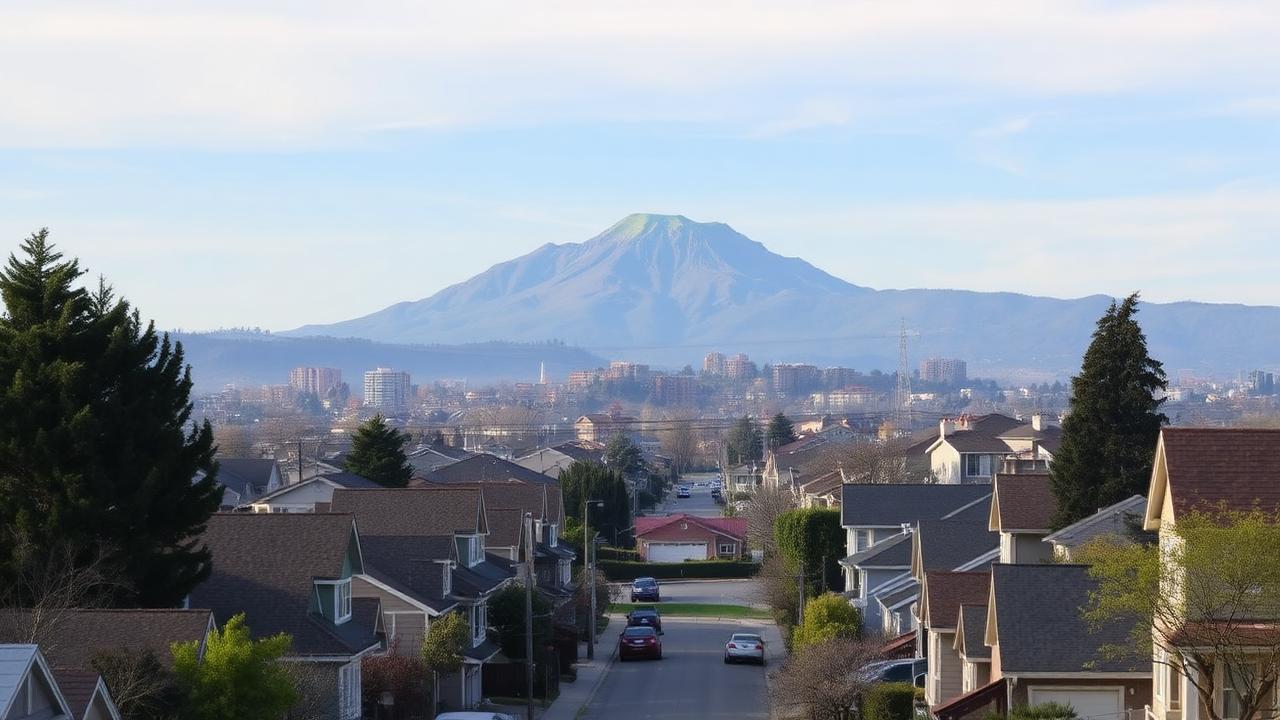
Daytime view of downtown Fremont, Nebraska with grain elevators and the Fremont Lakes near the Platte River
    Fremont, Nebraska

    Pest Control Software Built for Fremont Operators

    Meatpacking and food-processing plants that draw rodents into every corner of town, Platte River flood risk pushing moisture pests into basements, and a farm-and-food economy where commercial urgency never really slows. Our AI systems keep every call captured while your crews work Dodge County.

    Typical Fremont implementation goes live in about 30-90 days.

    Why Fremont pest work centers on the plants and the river

    Fremont's economy leans heavily on food processing, and its location along the Platte River adds flood-driven moisture pressure to a rodent problem already shaped by industrial activity.

    Food-processing plants draw rodents citywide

    Large poultry and beef processing operations near the rail corridors and industrial park attract mice and rats with feed, offal, and waste storage, and that pressure spreads into nearby residential blocks rather than staying contained on plant grounds.

    Platte River flood risk pushes moisture pests into basements

    Low-lying areas near the river and Fremont Lakes see recurring moisture ant and cockroach pressure after high water events, and older homes without sump systems take the brunt of it.

    Older residential blocks near downtown need consistent termite checks

    Established housing stock built well before modern treated-lumber standards generates a steady run of termite and wood-destroying insect inspection requests, especially during spring home-sale season.

    Food-processing accounts carry real regulatory urgency

    A pest sighting at a processing facility has compliance stakes attached under USDA inspection standards, so these calls need immediate technician attention rather than a spot on next week's route.

    Grain storage and rail-adjacent warehouses draw stored-product pests

    Elevators and warehouses along the Union Pacific line handle grain volumes that attract weevils, beetles, and moths, and nearby commercial tenants inherit that pressure whenever storage sanitation slips.

    Farm-to-town commuting spreads rural rodent pressure into residential streets

    Fremont sits surrounded by row-crop farmland, and harvest-season field work displaces mice and voles that then move toward the nearest structures, including homes on the city's edges.

    What we build for you

    What that means for your phones and your crews

    We configure around food-plant urgency and flood-driven moisture pests.

    Capture every rodent call and flag food-facility urgency

    Voice AI answers around the clock and logs whether a call is residential or tied to a processing facility so dispatch can prioritize.

    See Voice AI

    Keep termite inspections on schedule

    Messaging AI confirms access with homeowners and agents so real estate-driven inspection deadlines don't slip.

    See Messaging AI

    Route food-processing sightings immediately

    The AI Sales System flags ag and food-plant calls ahead of routine residential work, matching the compliance urgency those accounts carry.

    See the AI Sales System

    Want to see what this looks like against your own Fremont call volume? We will walk through it on a 30-minute call.

    Book a Discovery Call

    Operators across Dodge County

    Service areas from Fremont out through North Bend, Hooper and Arlington are configured during onboarding.

    • Downtown Fremont
    • Fremont Lakes area
    • East Fremont
    • North Bend
    • Hooper
    • Arlington

    Connected to the software you already run

    We have a deep, purpose-built FieldRoutes integration, and over 1,000 API connections available for everything else, so your Fremont operation keeps one source of truth instead of four.

    All third-party product names, logos, and brands are property of their respective owners. Use of these names does not imply endorsement or affiliation.

    What AI adoption looks like in Fremont

    Fremont operators work a market shaped by food processing and Platte River flood risk, where rodent pressure runs high and compliance-driven urgency is real. A plant sighting cannot wait for a callback, and a flooded basement call at 2 a.m. still needs to be answered, so AI intake keeps every call and every deadline accounted for without adding office staff for a market this size.

    • Food-processing plants sustain year-round rodent pressure citywide
    • Platte River flood risk pushes moisture pests into low-lying basements
    • Older downtown-area homes generate steady termite inspection demand
    • Food-processing accounts carry real regulatory response-time stakes

    Deciding whether AI is right for your business at all is a separate question from which market you are in. We answer it honestly, including when the answer is not yet, in our AI decision guides, starting with should I use AI in my pest control business.

    Fremont's pest calendar: plant pressure, river flooding, and harvest swings

    Fremont's call volume tracks its food-processing operations and the Platte River more closely than it tracks the thermometer, though seasonal weather still shapes when each pressure peaks.

    March - April

    Spring snowmelt and rain raise the Platte River and Fremont Lakes water table, and basements in low-lying neighborhoods start reporting moisture ants and occasional cockroach activity as crawl spaces stay damp longer than usual.

    May - June

    Home-sale season brings a run of termite and wood-destroying insect inspections tied to closing dates, concentrated in older housing stock near downtown Fremont.

    July - August

    Peak heat pushes ants and stored-product pests indoors around processing and grain-handling facilities, and warehouse tenants along the rail corridor report the year's heaviest stored-product pest activity.

    September - October

    Harvest season across the row-crop farmland surrounding Fremont displaces field mice and voles, and homes on the city's edges see the first meaningful wave of rodent-entry calls as combines clear fields.

    November - December

    Falling temperatures drive rodents solidly indoors across both residential neighborhoods and processing facilities, and plant accounts increase inspection frequency heading into the holiday production push.

    January - February

    Deep winter cold concentrates rodent activity around any heat source, and older homes near downtown along with outbuildings on farm properties both report mice in walls, garages, and equipment sheds.

    Running crews across Dodge County's plant-and-farmland mix

    Fremont's compact city grid, surrounding farmland, and concentrated industrial zone each demand a different routing approach, and crews often move between all three in a single day.

    US-30 and US-77 carry most through-town traffic

    Nearly every route crossing Fremont funnels through one of these two highways, so scheduling avoids stacking commercial plant visits and residential stops on opposite ends of town during shift-change traffic near the processing facilities.

    Rail crossings can add unpredictable delays

    Union Pacific rail traffic through town regularly closes street crossings for several minutes at a time, so routes near the rail corridor build in buffer time rather than assuming a fixed drive window.

    North Bend, Hooper, and Arlington add 15-25 minute drive buffers

    These outlying Dodge County towns sit far enough from Fremont proper that they typically get grouped into dedicated route blocks rather than mixed with in-town stops.

    Processing-plant shift schedules dictate commercial appointment windows

    Facilities running around-the-clock production need pest service scheduled around shift changes and sanitation windows, so commercial routing has to sync with plant operating hours rather than a standard 9-to-5 block.

    Flood-prone low-lying streets need seasonal rerouting

    Areas near the Platte River and Fremont Lakes can become temporarily inaccessible during spring high water, so dispatch needs current road-condition information before sending a technician into those neighborhoods.

    Harvest-season farm traffic slows rural routes

    Grain trucks and combines on county roads around Fremont during September and October harvest slow travel times on routes serving outlying farm properties, so those stops often get scheduled with extra time built in.

    Grain elevator dust and biosecurity rules affect commercial visits

    Some grain-handling and food-processing sites require dust-control or biosecurity check-in procedures before a technician can access certain areas, so accounts need that noted ahead of the visit rather than discovered on arrival.

    Labor competition with meatpacking wages affects technician hiring

    Processing plants in Fremont pay competitive entry-level wages that make it harder for pest control companies to hire and retain field technicians, which is part of why several local operators lean on automated intake rather than adding office staff.

    Fremont pest control questions we get asked

    Fremont AI guides

    Location-specific guides written for the pest pressure, routes, and customer behavior of this market.

    Fremont overview
    • Should you use AIShould I use AI in my Fremont pest control business?Coming soon.
    • Will customers talk to AIWill pest control customers in Fremont talk to AI?Coming soon.
    • Best AI for pest controlWhat is the best AI for pest control in Fremont?Coming soon.
    • Speed to leadHow can Fremont pest control companies win with speed-to-lead?Coming soon.
    • Best software stackWhat is the best pest control software for Fremont operators?Coming soon.
    • Local marketingHow should pest control companies in Fremont market themselves locally?Coming soon.
    • Reviews & reputationHow can Fremont pest control companies get more reviews and protect their reputation?Coming soon.
    • Seasonal playbookWhat is the seasonal pest control playbook for Fremont?Coming soon.
    • Commercial AIHow does AI help commercial pest control accounts in Fremont?Coming soon.
    • Hiring vs AIShould Fremont pest control operators hire office staff or use AI?Coming soon.
    Free 48 KB PDF

    Download the Fremont, NE Pest Control AI Playbook

    A short one-pager on the Fremont market, the systems we build for operators here, and how implementation runs, written to be printed and passed around.

    • A Fremont market snapshot, the pressure that drives your call volume
    • The AI systems we run for operators here, in plain language
    • What a 30-day implementation actually looks like
    • Printable, so you can hand it to your office team

    Last updated 2026-09-17

    Loading the Fremont playbook form

    Three ways to see it working in Fremont

    Book a demo

    A 30-minute walkthrough against your own Fremont call volume.

    Book a Discovery Call

    Start a chat

    Try the messaging AI that answers texts, webchat, and social for pest control teams.

    Start a Chat

    Start free with PestGPT

    Use our free pest control AI assistant today, no contract, no setup call.

    Try PestGPT Free
    Final step

    Let's look at your food-plant calls

    Pull last quarter's calls tied to processing facility accounts. We'll show you how many waited past the same day for a response.

    • A real review of your intake, not a canned demo
    • 30 minutes, and a typical implementation runs about 30-90 days
    • No contract to talk. We never share your details.

    Request your Fremont walkthrough

    Prefer to pick a time yourself? Book a Discovery Call