
Freight and distribution accounts along I-80 don't wait
Warehouse tenants near the interstate interchange treat a rodent sighting as a liability issue, not a nuisance, and expect a technician dispatched the same business day.
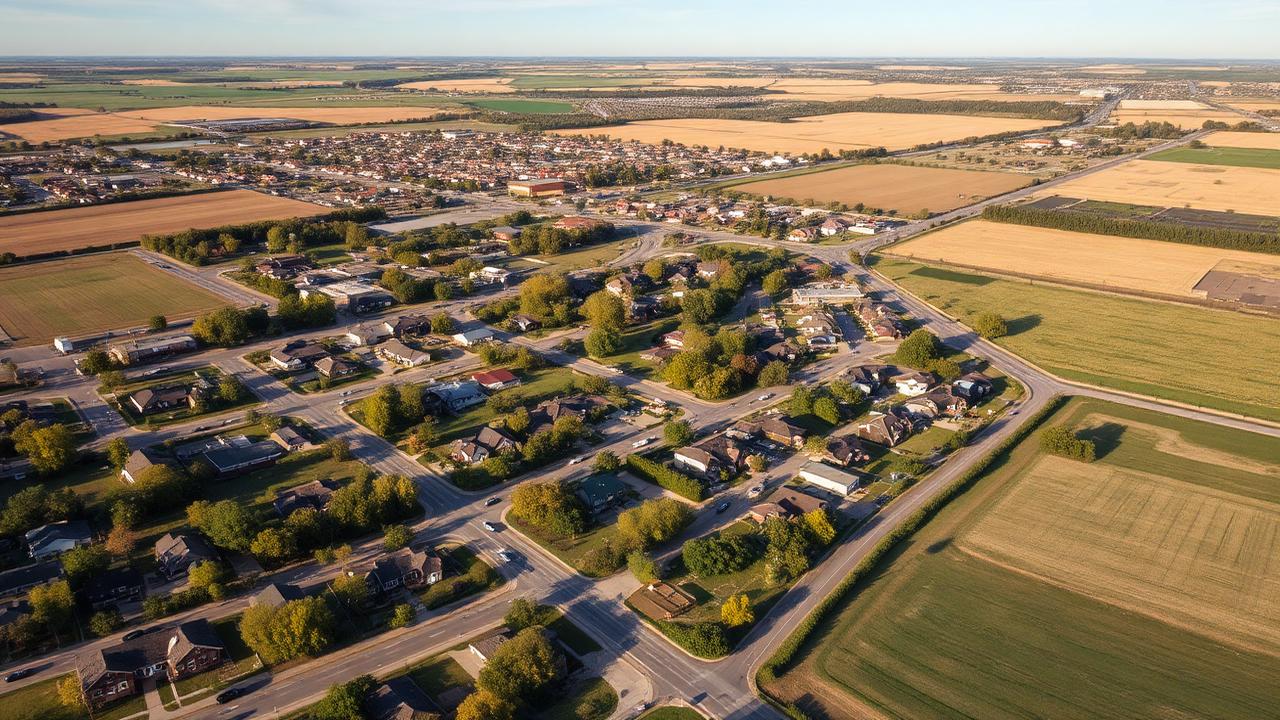
Distribution centers along the I-80 truck corridor that expect a same-day callback, sandy Platte River bottomland that keeps ants and mosquitoes active well into September, and a compressed August rush when thousands of UNK renters move in at once. Our AI systems keep the office covered while your trucks are out past 2nd Avenue.
Typical Kearney implementation goes live in about 30-90 days.
Kearney sits where Interstate 80 freight traffic, the sandy Platte River channel, and a mid-sized university collide, and each pulls the phones in a different direction.
Warehouse tenants near the interstate interchange treat a rodent sighting as a liability issue, not a nuisance, and expect a technician dispatched the same business day.
Unlike a typical river with a fixed bank, the Platte's wide, shifting sandbars near Kearney create constantly changing moist ground that keeps pavement ants and mosquitoes breeding later into the season than surrounding dryland farm towns.
Rental houses and complexes near the University of Nebraska Kearney campus turn over almost simultaneously in mid-August, and the pest complaints that follow arrive in a tight burst rather than trickling in.
Kearney's agricultural processing and feed-lot businesses on the outskirts create a different pest profile than the residential core, with beetles and moths tied to grain storage rather than household ants.
We configure around freight-corridor urgency, a shifting-river pest season, and one very compressed August week.
Voice AI flags I-80 corridor commercial callers so dispatch can prioritize a same-day rodent or stored-product response.
See Voice AIVoice AI answers every call around campus move-in week so no renter's pest complaint goes to voicemail during the busiest seven days of the year.
See Messaging AIMessaging AI confirms access with agents and homeowners so a WDIR request tied to a real estate closing never misses its date.
See the AI Sales SystemWant to see what this looks like against your own Kearney call volume? We will walk through it on a 30-minute call.
Book a Discovery CallService areas from Kearney out through Gibbon, Shelton and Elm Creek are configured during onboarding.
We have a deep, purpose-built FieldRoutes integration, and over 1,000 API connections available for everything else, so your Kearney operation keeps one source of truth instead of four.
All third-party product names, logos, and brands are property of their respective owners. Use of these names does not imply endorsement or affiliation.
Kearney operators answer to three different clocks at once: a freight corridor that expects same-day response, a river system that keeps pests active longer than nearby dryland towns, and a university that compresses a season's worth of leasing turnover into one week. AI intake keeps all three from colliding on the same phone line.
Deciding whether AI is right for your business at all is a separate question from which market you are in. We answer it honestly, including when the answer is not yet, in our AI decision guides, starting with should I use AI in my pest control business.
Kearney's position on the Platte, combined with its farm-town winters and interstate commercial traffic, produces a pest calendar that doesn't match the dryland towns on either side of it along I-80.
Overwintering rodents in older homes near downtown and 2nd Avenue start showing renewed activity as they search for spring food sources, and the first ant scouts appear early along the sandy soils bordering the Platte channel. I-80 warehouse tenants often request a spring rodent sweep as part of annual facility maintenance ahead of summer freight volume increases.
The Platte's shallow, braided channel warms quickly and mosquito populations build fast along its sandbars and side channels, well ahead of towns without a major river running through them. Termite swarms appear in older Kearney neighborhoods, and spring storms common to this part of the Platte Valley drive a wave of ant calls as colonies flooded out of yards move toward foundations.
Mosquito and ant pressure peaks through the heat, and UNK's move-in week in mid-August produces the single largest concentrated burst of pest complaints of the year as new tenants discover existing infestations in rental housing near campus. I-80 corridor businesses see steady stored-product and rodent monitoring requests tied to peak summer freight volume.
Cooler nights push field crickets and box elder bugs toward structures, especially in neighborhoods bordering the farmland that surrounds Kearney on nearly every side. Rodents begin scouting building entry points as harvest clears nearby fields, and grain-handling businesses on the edge of town see a rise in stored-product pest activity as harvest volume moves through storage.
Nebraska's hard winter pushes mice and other rodents into any heated structure they can find, and older housing near downtown Kearney with aging foundations sees the winter's steadiest call volume. I-80 corridor facilities continue requesting rodent monitoring through winter since a single sighting in a food-adjacent warehouse can trigger a compliance response regardless of season.
Unlike a typical seasonal pest pattern, this window is driven entirely by the academic calendar rather than weather. As UNK's off-campus housing turns over in the second week of August, a semester's worth of missed maintenance requests and inherited infestations surface all at once, concentrated tightly around the streets closest to campus rather than spread evenly across town.
Kearney's mix of a compact university core, an interstate commercial strip, and outlying farm towns means a route built for one zone doesn't transfer cleanly to another.
Warehouse and distribution accounts cluster near the interstate interchange, and treating one as a same-day add-on to a residential route through town wastes the drive time savings of grouping them together in the first place.
Kearney's layout funnels most cross-town traffic onto 2nd Avenue and Central Avenue, and a route that avoids these two roads in favor of side streets during the school-year commute window loses time to stoplights and rail crossings near the tracks that split the city.
Trying to work campus-area calls into a standard weekly route during the second week of August means every other route that day runs late, so a dedicated crew or block for that single week keeps the rest of the schedule intact.
These outlying Buffalo County towns sit far enough from Kearney that a single stop doesn't justify the drive; batching multiple requests from the same town into one day is the only way that work pencils out.
Properties directly along the river bottom often have soft, sandy ground that limits where a truck can park off the roadway, and crews working that stretch benefit from knowing in advance rather than discovering it on arrival.
Agricultural processing tenants on Kearney's edges often require service scheduled around their own operational hours and harvest peaks, which run on a different clock than either residential or interstate commercial accounts.
When snow hits Buffalo County, county roads to Gibbon and Elm Creek are plowed later than Highway 30 or I-80, so a winter route to those towns should default to the highway connection even if it adds a few miles.
Home sales in established Kearney neighborhoods pick up in spring and again in early fall, and grouping WDIR inspection requests into the same days as nearby residential service prevents them from disrupting an otherwise efficient route.
More reading for operators working Kearney, NE and the markets around it.
Location-specific guides written for the pest pressure, routes, and customer behavior of this market.
A short one-pager on the Kearney market, the systems we build for operators here, and how implementation runs, written to be printed and passed around.
Last updated 2026-09-17
Try the messaging AI that answers texts, webchat, and social for pest control teams.
Start a ChatUse our free pest control AI assistant today, no contract, no setup call.
Try PestGPT FreePull last August's calls from the campus area. We'll show you how many move-in-week complaints sat unanswered while your office was buried.
The Nebraska guide covers statewide pest pressure, licensing and call patterns, and links every Nebraska city guide we publish, including this one.