
Meatpacking and grain facilities draw rodents citywide
Processing plants along the rail corridors attract mice and rats that spread into nearby residential neighborhoods.
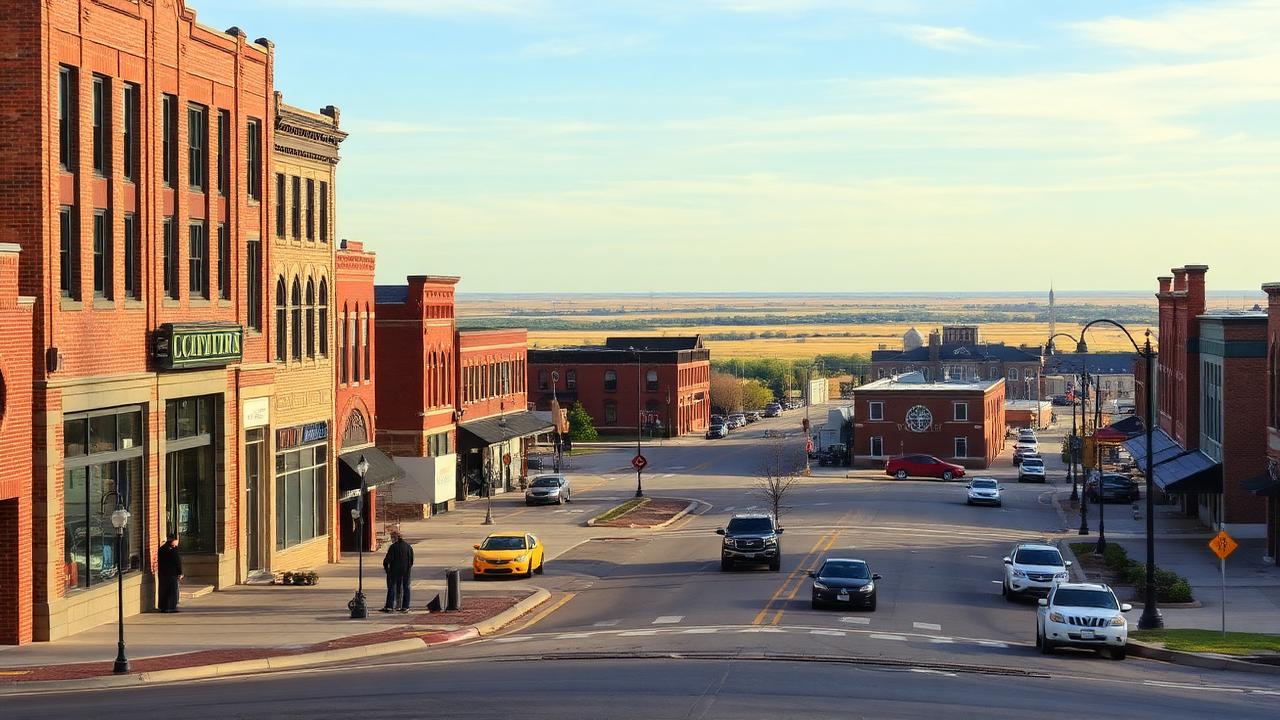
Meatpacking and grain-processing facilities that draw rodents year-round, Platte River valley humidity feeding summer ants and mosquitoes, and a central Nebraska farm economy that keeps pest demand steady through every season. Our AI systems keep every call captured while your crews work Hall County.
Typical Grand Island implementation goes live in about 30-90 days.
Grand Island's economy runs on meatpacking and grain processing, and those facilities set the tone for pest pressure across the whole city, not just the industrial sites.
Processing plants along the rail corridors attract mice and rats that spread into nearby residential neighborhoods.
The river valley's humid summers keep pavement ants and mosquitoes active from spring through late summer.
Established housing stock generates a steady run of termite and wood-destroying insect inspection requests, particularly around real estate transactions.
A pest sighting at a packing or grain facility has compliance stakes attached, so these calls need immediate technician attention.
Distribution centers and truck stops along I-80 see cockroach and rodent introductions from incoming freight, a pattern distinct from residential accounts across town.
Grand Island has one of Nebraska's largest Hispanic populations outside Omaha, and pest companies that offer bilingual scheduling and confirmations reach a meaningfully larger share of the market.
Many homes near downtown Grand Island and Capital Heights were built decades before modern sealing standards, giving boxelder bugs and cluster flies easy entry points each fall as they seek a place to overwinter.
We configure around ag-processing urgency and river-valley seasonal pests.
Voice AI answers around the clock and logs whether a call is residential or tied to a processing facility so dispatch can prioritize.
See Voice AIMessaging AI confirms access with homeowners and agents so real estate-driven inspection deadlines don't slip.
See Messaging AIThe AI Sales System flags ag and food-plant calls ahead of routine residential work, matching the compliance urgency those accounts carry.
See the AI Sales SystemVoice AI absorbs the seasonal surge of boxelder bug and cluster fly calls from older downtown-area homes each fall without requiring extra front-desk coverage.
See Voice AIWant to see what this looks like against your own Grand Island call volume? We will walk through it on a 30-minute call.
Book a Discovery CallService areas from Grand Island out through Wood River, Doniphan and Alda are configured during onboarding.
We have a deep, purpose-built FieldRoutes integration, and over 1,000 API connections available for everything else, so your Grand Island operation keeps one source of truth instead of four.
All third-party product names, logos, and brands are property of their respective owners. Use of these names does not imply endorsement or affiliation.
Grand Island operators work a market shaped by meatpacking and grain processing along the Platte River valley, where rodent pressure runs high and compliance-driven urgency is real. A sizable Hispanic and Latino population and steady I-80 freight traffic add two more layers most nearby markets do not have to plan around. AI intake keeps every call, deadline, and language preference accounted for.
Deciding whether AI is right for your business at all is a separate question from which market you are in. We answer it honestly, including when the answer is not yet, in our AI decision guides, starting with should I use AI in my pest control business.
Grand Island's pest calendar runs on two tracks: the steady, year-round pressure tied to food processing, and the more familiar seasonal swings driven by the Platte River valley climate.
As Platte River valley soil warms, pavement ants and odorous house ants start showing up in kitchens across Capital Heights and Riverside, and rodent activity around processing facilities picks up as outdoor temperatures moderate.
Mosquito populations build quickly in the river valley's wetlands and irrigation ditches, and termite swarms tied to older housing stock near downtown generate a seasonal run of inspection requests ahead of home sales.
Peak summer humidity keeps mosquito and ant calls elevated, and the Nebraska State Fair's arrival in Grand Island each year brings a short-term spike in hospitality and rental-adjacent pest service requests.
Harvest season increases truck traffic and grain movement through the city's processing corridor, and rodent pressure at food facilities typically climbs as surrounding farmland is cleared.
Cooling temperatures push rodents indoors across both residential neighborhoods and commercial accounts, and processing-facility clients often request pre-holiday inspections ahead of increased production runs.
Winter cold concentrates rodent activity around building perimeters and loading docks, and indoor cockroach calls tied to warehouse and distribution accounts along I-80 tend to hold steady through the coldest months.
Grand Island's routes mix dense in-town residential work with commercial accounts that carry their own access rules and urgency, plus outlying farm-adjacent stops.
Most Grand Island routes run along US-281 north-south or Highway 34 east-west, and grouping stops along one corridor before crossing to the other keeps midday drive time manageable.
Distribution centers and truck stops near the interstate often require appointments scheduled around freight delivery windows, since docks are busiest during specific hours of the day.
Meatpacking and grain-processing sites typically require sign-in, biosecurity protocols, or scheduled access windows, so technicians need advance notice rather than same-day drop-ins.
Outlying communities like Wood River and Doniphan sit far enough from the city core that those stops are typically grouped into dedicated route blocks rather than mixed with in-town Grand Island appointments.
The fairgrounds draw large crowds each year, and hospitality and rental accounts near the fairgrounds often need faster turnaround during fair week than the rest of the calendar.
Termite and wood-destroying insect inspections tied to home sales near downtown and Riverside often carry closing-date deadlines that take scheduling priority over routine recurring service.
Rail lines running through the processing district create long, uninterrupted harborage corridors for rodents, and accounts near those tracks often need more frequent monitoring than similar properties elsewhere in town.
With a substantial Hispanic and Latino population in Grand Island, offering Spanish-language scheduling and appointment confirmations reaches a meaningfully larger share of potential residential customers.
Small communities like Cairo sit far enough from Grand Island's core that a single service call there is rarely worth a standalone trip, so operators typically batch several appointments in the same outlying area into one route block.
More reading for operators working Grand Island, NE and the markets around it.
Location-specific guides written for the pest pressure, routes, and customer behavior of this market.
A short one-pager on the Grand Island market, the systems we build for operators here, and how implementation runs, written to be printed and passed around.
Last updated 2026-09-17
Try the messaging AI that answers texts, webchat, and social for pest control teams.
Start a ChatUse our free pest control AI assistant today, no contract, no setup call.
Try PestGPT FreePull last quarter's calls tied to ag or food-processing accounts. We'll show you how many waited past the same day for a response, and how many Spanish-speaking callers had to wait for a bilingual staff member to call back.
The Nebraska guide covers statewide pest pressure, licensing and call patterns, and links every Nebraska city guide we publish, including this one.