
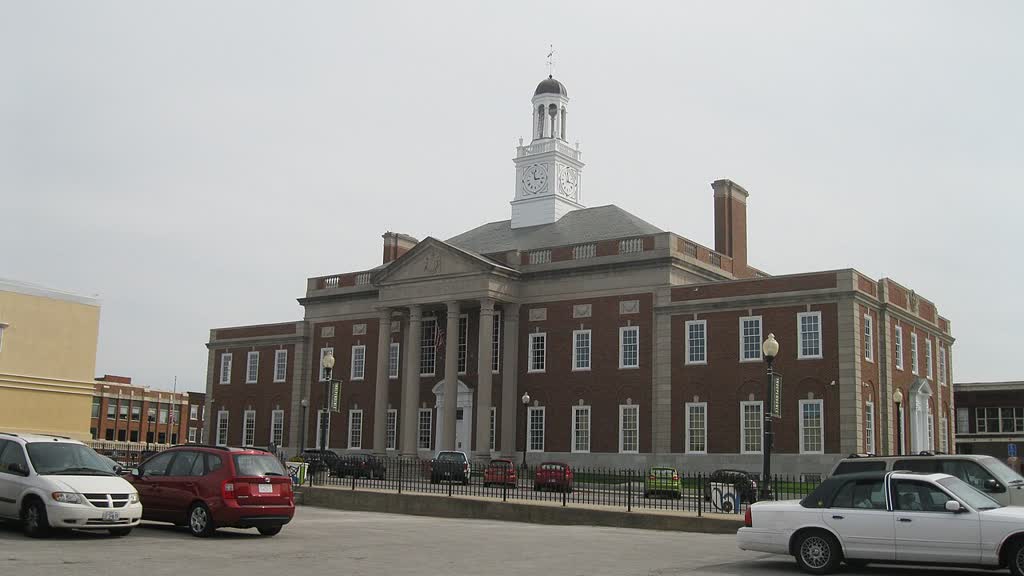
Historic downtown Independence, Missouri courthouse square with brick storefronts
    Independence, Missouri

    Pest Control Software Built for Independence Operators

    Independence mixes Truman-era neighborhoods with century-old foundations, newer subdivisions pushing east toward Blue Springs, and low-lying stretches along the Little Blue River that flood every spring. Our AI systems answer every one of those calls the moment the phone rings, day or night.

    Typical Independence implementation goes live in about 30-90 days.

    Why Independence routes span a century of housing stock

    A historic courthouse square, mid-century rail-worker neighborhoods, and new construction near I-470 put four different pest profiles inside one city.

    Truman-era brick homes near the Square carry decades of foundation settling

    Homes built in the 1900s-1940s around the historic Square and Englewood have settled foundations with gaps that give carpenter ants, silverfish, and mice easy entry, and owners of these older properties expect a technician who understands century-old construction, not a generic quote.

    The Little Blue River corridor floods and breeds mosquitoes every spring

    Low-lying neighborhoods near the Little Blue River and Rock Creek see standing water after nearly every spring storm, and mosquito complaints there arrive in clusters that overwhelm a phone line unprepared for the volume.

    Rail yard and industrial corridor properties draw persistent rodent activity

    The rail lines and warehouse district along the north side of town create constant food and shelter sources for rats, and commercial tenants there expect same-day response written into their service agreements.

    New subdivisions near Blue Springs Road bring first-time pest control buyers

    Newer construction pushing east toward Blue Springs is filling with first-time homeowners who've never hired a pest control company, and they need clear, fast answers about pricing and scheduling before they'll commit to a plan.

    Fort Osage-area lake and creek lots see heavier seasonal ant and termite pressure

    Wooded, creek-adjacent lots on the eastern edge of the district near Fort Osage carry more moisture and shade than the open subdivisions closer to I-70, and those properties generate a disproportionate share of spring termite swarm and carpenter ant calls each year.

    What we build for you

    What that means for your phones and your crews

    We configure around a market where a century-old foundation call and a flood-zone mosquito complaint can land back to back.

    Handle spring flood-season mosquito call clusters without losing bookings

    Voice AI answers every call during the Little Blue River flood season so a cluster of same-week mosquito complaints gets scheduled instead of going to voicemail.

    See Voice AI

    Keep rail-corridor commercial accounts inside same-day response promises

    Messaging AI acknowledges commercial rodent-service requests immediately and logs response times, which is what those contracts are graded on.

    See Messaging AI

    Convert new-subdivision inquiries into first-time recurring plans

    The AI Sales System follows up with every first-time caller from Blue Springs Road-area subdivisions, explaining pricing clearly and closing recurring plans instead of one-off visits.

    See PestCRM

    Want to see what this looks like against your own Independence call volume? We will walk through it on a 30-minute call.

    Book a Discovery Call

    Operators across the Independence area

    Service areas across historic Independence and the growth corridor toward Blue Springs are configured during onboarding.

    • Englewood
    • Fairmount
    • Sugar Creek
    • Mount Washington
    • Little Blue
    • Bundschu
    • Blue Springs Road corridor
    • Noland Road

    Connected to the software you already run

    We have a deep, purpose-built FieldRoutes integration, and over 1,000 API connections available for everything else, so your Independence operation keeps one source of truth instead of four.

    All third-party product names, logos, and brands are property of their respective owners. Use of these names does not imply endorsement or affiliation.

    What AI adoption looks like in Independence

    Independence operators serve a market split between a century of housing stock, from Truman-era brick homes to brand-new subdivisions, alongside a flood-prone river corridor that drives sharp seasonal spikes. Getting first-time subdivision buyers to trust a recurring plan matters as much here as handling the volume swings.

    • Truman-era home foundations require experienced technician routing, not generic quotes
    • Little Blue River flooding drives clustered spring mosquito call surges
    • Rail yard and warehouse district commercial accounts expect same-day response
    • New subdivisions near Blue Springs Road bring first-time pest control buyers needing clear pricing

    Deciding whether AI is right for your business at all is a separate question from which market you are in. We answer it honestly, including when the answer is not yet, in our AI decision guides, starting with should I use AI in my pest control business.

    The Independence pest calendar, month by month

    A century-plus of housing stock, a flood-prone river corridor, and Missouri's humid continental climate combine to produce a pest calendar with several distinct peaks rather than one long season.

    March - April

    Spring rain swells the Little Blue River and Rock Creek, and low-lying properties near those waterways see standing water within days of the first heavy storms, kicking off the year's earliest mosquito complaints. At the same time, subterranean termite swarms begin appearing in older Truman-era neighborhoods near the Square and in shaded, creek-adjacent lots toward Fort Osage as soil temperatures warm.

    May - June

    Carpenter ants become active in the settled foundations of century-old homes around Englewood and the historic core, often mistaken for termites by first-time callers who need identification questions asked up front. Mosquito pressure along the Little Blue River corridor typically peaks in this window if spring rainfall has been heavy, and repeat flood events can produce two or three distinct call surges within a single month.

    July - August

    Hot, humid Missouri summers push general pest activity, including roaches and ants, into homes seeking cooler, moister conditions, with older housing stock near downtown seeing more of this pressure than newer, tighter-built subdivisions near Blue Springs Road. Rail corridor and warehouse tenants on the north side report their steadiest rodent activity of the year as summer heat drives rats toward shaded, food-source-rich industrial sites.

    September - October

    As temperatures begin dropping, mice and other rodents start moving into older homes near the Square and Englewood through foundation gaps that a century of settling has widened, producing a fall rodent-exclusion wave concentrated in the historic core. New subdivisions toward Blue Springs Road see a smaller but real increase in first-time pest control inquiries as homeowners notice fall pest activity for the first time since moving in.

    November - February

    Winter cold pushes the bulk of remaining call volume indoors, with mice and occasional cockroach activity dominating calls from both older homes and newer construction alike. Rail corridor commercial accounts continue steady service through winter regardless of season, since their rodent pressure is tied to the site itself rather than outdoor temperature.

    Late spring: flood recovery mosquito surge along the Little Blue River

    Following any significant Little Blue River flood event, typically in April or May, standing water left behind in low-lying yards and drainage areas near Rock Creek and the river corridor produces a sharp, short-lived mosquito surge that can generate a full week of concentrated calls from the same handful of neighborhoods. Crews who know to expect this pattern after a flood, rather than treating each flood-recovery call individually, can pre-stage a mosquito-focused route through the affected area instead of scrambling address by address.

    What routing Eastern Jackson County actually costs you

    Independence sits inside a metro grid of interstates, but the mix of dense historic neighborhoods, industrial rail corridor, and newer low-density subdivisions means routing efficiency depends on grouping jobs by housing type as much as by geography.

    I-70 and I-470 anchor routes between the historic core and Blue Springs growth

    Crews moving between the Square, Englewood, and the newer subdivisions toward Blue Springs rely on I-70 and I-470 as the fastest connectors, and building a day around surface streets like Noland Road during peak commuter hours adds real time that eats into the schedule.

    Historic core homes need longer service windows for exclusion work

    Century-old homes near the Square and in Englewood typically require more thorough sealing and inspection work because of decades of foundation settling, and booking these visits in the same time slot as a newer Blue Springs Road home understaffs the appointment.

    Rail corridor commercial stops carry documentation obligations that add time

    Warehouse and industrial tenants along the north-side rail corridor require logged, timestamped service records for their own compliance needs, and these commercial visits take longer per stop than a routine residential call because of the paperwork involved.

    Little Blue River flood zones need flexible same-week scheduling

    Properties near the Little Blue River and Rock Creek generate concentrated mosquito call clusters after flood events, and a route that cannot flex to group several flood-zone stops into the same day loses efficiency chasing scattered addresses across the week.

    New subdivisions near Blue Springs Road are still filling in

    Newer construction east toward Blue Springs is spread across large lots that have not yet fully built out, so early service contracts in these areas carry more drive time between stops than a comparable route through denser, older parts of town.

    Fort Osage-area creek lots require termite-specific scheduling in spring

    Wooded, creek-adjacent properties toward Fort Osage generate a disproportionate share of spring termite swarm calls, and grouping these into a dedicated termite-inspection block during peak swarm season is more efficient than treating each as a standalone general pest visit.

    Sugar Creek and Mount Washington see steady but lower-density call volume

    These older, smaller neighborhoods generate consistent seasonal pest calls but at lower density than the historic core, so routes serving them benefit from pairing stops with nearby Fairmount or Englewood jobs rather than running a dedicated trip for just one or two addresses.

    Winter weather can close secondary roads near the river corridor

    Ice and flooding near the Little Blue River corridor occasionally close secondary roads in winter, and routes that depend on a single low-lying connector road to reach river-adjacent neighborhoods need a backup path planned in advance.

    Independence pest control questions we get asked

    Independence AI guides

    Location-specific guides written for the pest pressure, routes, and customer behavior of this market.

    Independence overview
    • Should you use AIShould I use AI in my Independence pest control business?Coming soon.
    • Will customers talk to AIWill pest control customers in Independence talk to AI?Coming soon.
    • Best AI for pest controlWhat is the best AI for pest control in Independence?Coming soon.
    • Speed to leadHow can Independence pest control companies win with speed-to-lead?Coming soon.
    • Best software stackWhat is the best pest control software for Independence operators?Coming soon.
    • Local marketingHow should pest control companies in Independence market themselves locally?Coming soon.
    • Reviews & reputationHow can Independence pest control companies get more reviews and protect their reputation?Coming soon.
    • Seasonal playbookWhat is the seasonal pest control playbook for Independence?Coming soon.
    • Commercial AIHow does AI help commercial pest control accounts in Independence?Coming soon.
    • Hiring vs AIShould Independence pest control operators hire office staff or use AI?Coming soon.
    Free 48 KB PDF

    Download the Independence, MO Pest Control AI Playbook

    A short one-pager on the Independence market, the systems we build for operators here, and how implementation runs, written to be printed and passed around.

    • A Independence market snapshot, the pressure that drives your call volume
    • The AI systems we run for operators here, in plain language
    • What a 30-day implementation actually looks like
    • Printable, so you can hand it to your office team

    Last updated 2026-09-17

    Loading the Independence playbook form

    Three ways to see it working in Independence

    Book a demo

    A 30-minute walkthrough against your own Independence call volume.

    Book a Discovery Call

    Start a chat

    Try the messaging AI that answers texts, webchat, and social for pest control teams.

    Start a Chat

    Start free with PestGPT

    Use our free pest control AI assistant today, no contract, no setup call.

    Try PestGPT Free
    Final step

    Let's look at your spring flood-season call volume

    Pull your call logs from the last spring flood cycle near the Little Blue River. We can show you how many mosquito calls went unanswered and what that cost.

    • A real review of your intake, not a canned demo
    • 30 minutes, and a typical implementation runs about 30-90 days
    • No contract to talk. We never share your details.

    Request your Independence walkthrough

    Prefer to pick a time yourself? Book a Discovery Call