
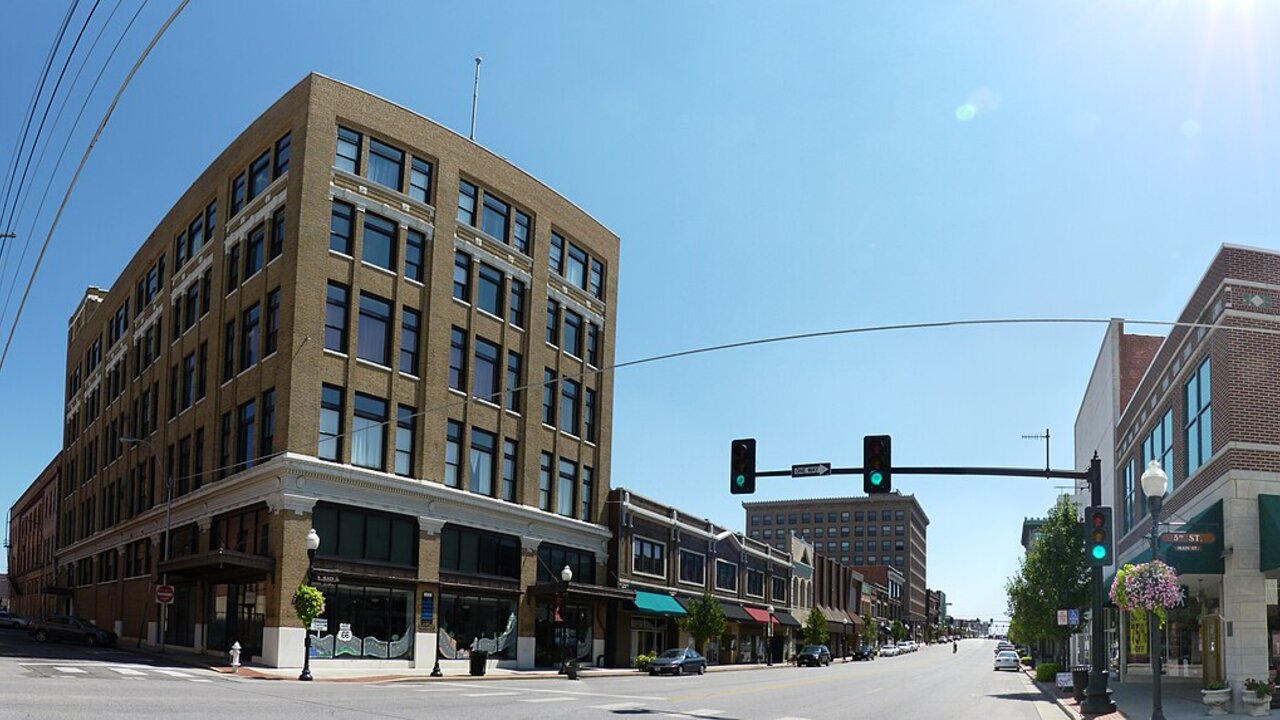
Historic downtown Joplin, Missouri brick storefronts along a Route 66 corridor street
    Joplin, Missouri

    Pest Control Software Built for Joplin Operators

    Post-2011-tornado rebuild neighborhoods, a Route 66 commercial corridor through downtown, and Ozark foothill lots at the edge of town give Joplin crews a wide mix of construction ages and pest pressure. Our AI systems capture every one of those calls without adding headcount.

    Typical Joplin implementation goes live in about 30-90 days.

    Why Joplin routes span old brick and brand-new framing

    Joplin rebuilt roughly a third of the city after the 2011 tornado, so crews now cover a patchwork of decades-old housing stock next to entire subdivisions built in the last twelve years.

    Rebuild-era subdivisions still carry fresh warranty and inspection work

    Neighborhoods rebuilt after the tornado along 20th Street and Range Line Road are dense with homes still inside builder warranty periods, and buyers expect a documented termite inspection history before closing that older Joplin housing stock rarely needs.

    Route 66 and Range Line commercial strips need fast turnaround

    Restaurants and retail along the Route 66 corridor and Range Line Road generate rodent and cockroach service calls tied directly to health inspection deadlines, and a missed callback there can cost an account its health score.

    Ozark foothill lots on the east side bring wood-destroying insect pressure

    Homes backing onto wooded ridges toward Shoal Creek and the Ozark foothills see termite swarms and carpenter ant activity that flatland subdivisions closer to I-44 rarely report in the same volume.

    Freight and rail yards near the Kansas and Oklahoma lines draw rodent complaints

    Warehouse and distribution activity near the tri-state rail interchange keeps commercial rodent contracts steady year-round, a workload that competes for phone time with residential callers during storm season.

    Spring storm season floods the phones at the worst time

    Joplin sits in an active severe-weather corridor, and hail and heavy rain events push moisture pests and displaced rodents into homes right as tornado-anniversary awareness drives a spike in inspection requests.

    Older Duquesne and Carthage housing needs more exclusion work per stop

    Homes in Duquesne and outlying Carthage predate the rebuild by decades, with foundations and additions that take longer to seal than a warranty-era Joplin subdivision home.

    What we build for you

    What that means for your phones and your crews

    We configure around a market where a builder-warranty termite inspection and a Route 66 restaurant emergency can land in the same hour.

    Never miss a health-inspection-driven restaurant callback

    Voice AI answers immediately and flags commercial food-service accounts so a Range Line Road rodent complaint gets scheduled ahead of routine residential work.

    See Voice AI

    Document warranty-period termite inspections automatically

    Messaging AI logs every exchange with rebuild-era homeowners so a warranty dispute or closing-inspection request has a timestamped paper trail.

    See Messaging AI

    Convert foothill swarm-season calls into recurring termite plans

    The AI Sales System follows up with every east-side swarm caller so a single spring inspection turns into an annual termite contract.

    See the AI Sales System

    Want to see what this looks like against your own Joplin call volume? We will walk through it on a 30-minute call.

    Book a Discovery Call

    Operators across the Joplin area

    Service areas across Jasper and Newton counties are configured during onboarding.

    • Joplin
    • Webb City
    • Carthage
    • Duquesne
    • Neosho
    • Carl Junction

    Connected to the software you already run

    We have a deep, purpose-built FieldRoutes integration, and over 1,000 API connections available for everything else, so your Joplin operation keeps one source of truth instead of four.

    All third-party product names, logos, and brands are property of their respective owners. Use of these names does not imply endorsement or affiliation.

    What AI adoption looks like in Joplin

    Joplin operators are managing two very different housing timelines at once: a rebuilt city core still inside warranty periods and older neighborhoods with decades of deferred pest pressure. Documented, fast response matters more here because so many calls involve a builder, an inspector, or a closing deadline rather than just a homeowner.

    • Post-tornado rebuild subdivisions generate warranty-period termite inspection demand
    • Route 66 and Range Line commercial strips need health-inspection-speed callbacks
    • East-side foothill lots see heavier termite swarm and carpenter ant activity
    • Tri-state rail and freight yards keep commercial rodent contracts steady year-round

    Deciding whether AI is right for your business at all is a separate question from which market you are in. We answer it honestly, including when the answer is not yet, in our AI decision guides, starting with should I use AI in my pest control business.

    The Joplin pest calendar, quarter by quarter

    Southwest Missouri's humid continental climate, mixed with the city's unusual split between rebuild-era construction and Ozark foothill lots, produces a call pattern that shifts sharply by season.

    March - May

    Termite swarms begin along the wooded ridges near Shoal Creek and the east-side foothills as soil temperatures climb, often coinciding with the tornado-anniversary period in early May when many homeowners schedule inspections regardless of active activity. Severe thunderstorm season also ramps up, and hail or high-wind events push moisture pests and displaced rodents into structures across both rebuild subdivisions and older Duquesne housing.

    June - August

    Ants and general pest calls peak as Ozark humidity holds through summer, with foothill-adjacent homes toward Shoal Creek reporting the heaviest carpenter ant pressure. Route 66 and Range Line restaurant accounts see steady fly and cockroach service tied to outdoor dining season, and rebuild-era subdivisions along 20th Street generate warranty-period inspection requests ahead of one-year builder deadlines.

    September - October

    Cooling nights push field crickets and stink bugs toward structures, with older Carthage and Neosho homes reporting the first seasonal rodent scouting as outdoor food sources dry up. Wasp nest removal calls increase around commercial strips as colonies reach peak size before die-off, adding pressure to the same office window as restaurant health-inspection callbacks.

    November - February

    Rodents move indoors through gaps in older Duquesne and Carthage housing stock as temperatures drop below freezing, driving the winter's steadiest call volume. Newer rebuild homes near 20th Street see far fewer winter rodent calls thanks to tighter modern construction, so intake can reasonably expect winter demand to concentrate in the city's older neighborhoods.

    Late spring: warranty-driven termite inspection surge

    As rebuild-era homes approach their one-year and multi-year builder warranty deadlines, late spring brings a wave of termite and moisture inspection requests tied directly to warranty expiration dates rather than active infestations. These calls require documentation for builders and warranty companies, which is a different intake need than a typical homeowner service call and needs to be flagged separately at the point of contact.

    Late summer: freight-yard rodent contracts renew

    Commercial rodent service around the tri-state rail interchange near the Kansas and Oklahoma lines tends to see contract renewals and inspection requests concentrate in late summer as warehouse tenants prepare for fall storage volume. This commercial workload competes directly with the residential ant and general pest calls that peak at the same time of year, making triage between the two call types important during this window.

    What routing a rebuilt city actually costs you

    Joplin's mix of tornado-rebuild grid streets, older legacy neighborhoods, and Ozark foothill edges means route efficiency depends on knowing which era of housing you are dispatching into.

    I-44 and Range Line Road are the fastest cross-town connectors

    Joplin's commercial spine runs along Range Line Road with I-44 providing the fastest east-west movement, and routes that try to cut through older residential grids near downtown instead of using these corridors lose time to stop signs and rail crossings.

    Rebuild subdivisions cluster tightly and route efficiently

    Neighborhoods rebuilt after 2011 along 20th Street tend to be newer, denser, and easier to cluster into a single afternoon block than the more scattered older housing stock elsewhere in the city.

    Foothill properties near Shoal Creek add drive time for exclusion work

    Homes backing onto the wooded ridges toward Shoal Creek often require longer service windows for termite and carpenter ant treatment, and scheduling them back-to-back with in-town stops understaffs the day.

    Commercial Route 66 stops need documentation built into the visit

    Restaurant and retail accounts along the Route 66 corridor often require service logs for health inspectors, so these stops carry more paperwork time than a routine residential visit and are best grouped into a dedicated block.

    Carthage and Neosho pull crews outside the core city

    Jobs in Carthage and Neosho add meaningful drive time beyond Joplin proper, and grouping outlying Jasper and Newton County stops into a single day prevents a route from crisscrossing the same highway twice.

    Older Duquesne housing needs longer exclusion windows

    Pre-rebuild homes in Duquesne and legacy Joplin neighborhoods often have foundation gaps and additions that take longer to seal properly, and booking them with the same time slot as a newer subdivision home understaffs the visit.

    Storm season creates same-day rescheduling spikes

    Spring severe weather in southwest Missouri can force same-day cancellations for exterior treatments, and building a short buffer into the afternoon schedule during storm season prevents one bad-weather day from cascading through the week.

    Freight-yard commercial stops require after-hours access coordination

    Warehouse and distribution accounts near the tri-state rail interchange often need service scheduled around shift changes, and confirming access windows during intake avoids a truck arriving when a facility is locked down.

    Joplin pest control questions we get asked

    Joplin AI guides

    Location-specific guides written for the pest pressure, routes, and customer behavior of this market.

    Joplin overview
    • Should you use AIShould I use AI in my Joplin pest control business?Coming soon.
    • Will customers talk to AIWill pest control customers in Joplin talk to AI?Coming soon.
    • Best AI for pest controlWhat is the best AI for pest control in Joplin?Coming soon.
    • Speed to leadHow can Joplin pest control companies win with speed-to-lead?Coming soon.
    • Best software stackWhat is the best pest control software for Joplin operators?Coming soon.
    • Local marketingHow should pest control companies in Joplin market themselves locally?Coming soon.
    • Reviews & reputationHow can Joplin pest control companies get more reviews and protect their reputation?Coming soon.
    • Seasonal playbookWhat is the seasonal pest control playbook for Joplin?Coming soon.
    • Commercial AIHow does AI help commercial pest control accounts in Joplin?Coming soon.
    • Hiring vs AIShould Joplin pest control operators hire office staff or use AI?Coming soon.
    Free 48 KB PDF

    Download the Joplin, MO Pest Control AI Playbook

    A short one-pager on the Joplin market, the systems we build for operators here, and how implementation runs, written to be printed and passed around.

    • A Joplin market snapshot, the pressure that drives your call volume
    • The AI systems we run for operators here, in plain language
    • What a 30-day implementation actually looks like
    • Printable, so you can hand it to your office team

    Last updated 2026-09-17

    Loading the Joplin playbook form

    Three ways to see it working in Joplin

    Book a demo

    A 30-minute walkthrough against your own Joplin call volume.

    Book a Discovery Call

    Start a chat

    Try the messaging AI that answers texts, webchat, and social for pest control teams.

    Start a Chat

    Start free with PestGPT

    Use our free pest control AI assistant today, no contract, no setup call.

    Try PestGPT Free
    Final step

    Let's look at your Route 66 commercial response times

    Send over your last quarter of restaurant and retail service calls along Range Line Road. We can show you how many were answered inside your promised window.

    • A real review of your intake, not a canned demo
    • 30 minutes, and a typical implementation runs about 30-90 days
    • No contract to talk. We never share your details.

    Request your Joplin walkthrough

    Prefer to pick a time yourself? Book a Discovery Call