
Norway rats thrive in the wet and the crawl spaces
Homes in North End and Hilltop sit over vented crawl spaces that stay damp, giving rats and mice a protected route into the structure year-round.
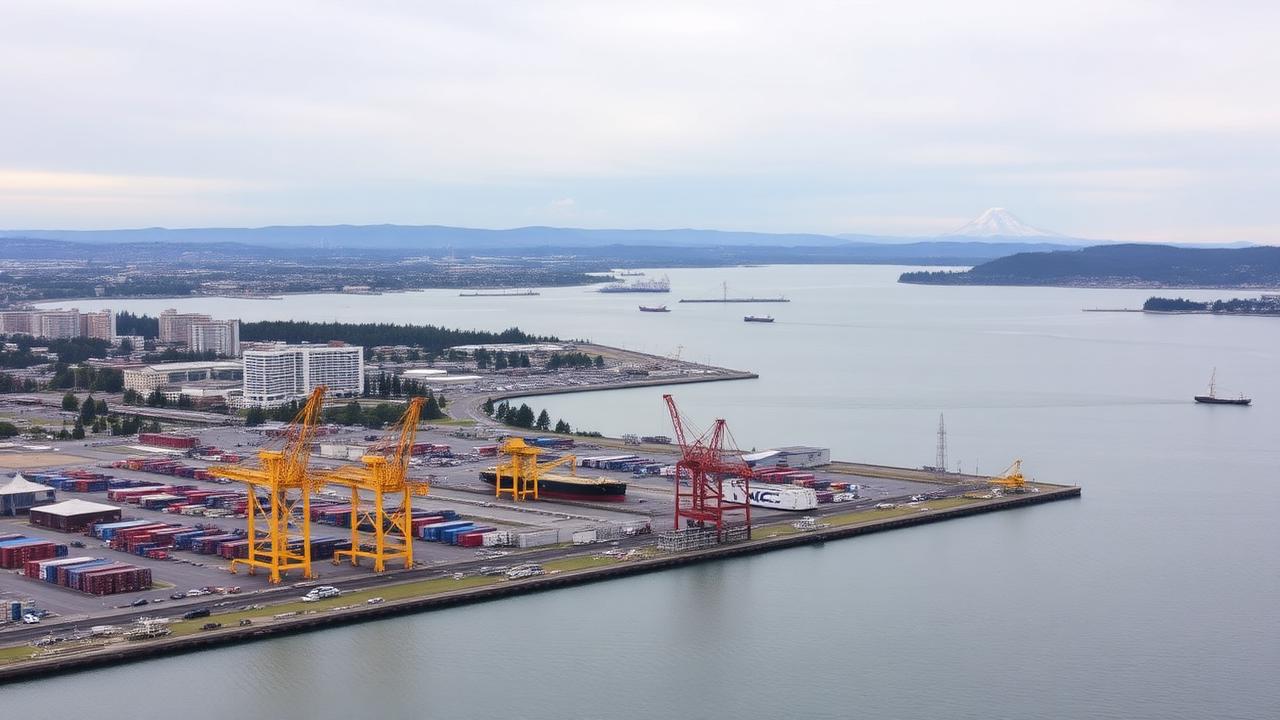
Nine months of rain feeding rats, ants and moisture pests, a century of wood-frame housing with crawl spaces underneath, and port-area commercial accounts that cannot wait. Our AI systems keep every call captured while your crews work Pierce County.
Typical Tacoma implementation goes live in about 30-90 days.
Puget Sound rain plus old wood-frame construction produces a market dominated by rodents and moisture-related pests.
Homes in North End and Hilltop sit over vented crawl spaces that stay damp, giving rats and mice a protected route into the structure year-round.
Persistent damp keeps moisture ants, carpenter ants and WDO inspection requests steady, especially around real estate transactions.
Warehouses and food-related businesses near the Tideflats expect same-day attention on any rodent sighting.
Real estate driven inspections arrive with a closing date attached, so a missed call is a missed transaction.
We configure around crawl-space rodent volume, WDO deadlines and commercial urgency.
Voice AI answers around the clock and captures structure details that tell you whether it is an exclusion job or a trapping program.
See Voice AIMessaging AI confirms access with agents and homeowners so time-sensitive inspections do not slip.
See Messaging AIThe AI Sales System and routing keep Tideflats and food-service accounts prioritized ahead of routine work.
See the AI Sales SystemWant to see what this looks like against your own Tacoma call volume? We will walk through it on a 30-minute call.
Book a Discovery CallService areas from Tacoma out through Lakewood, Puyallup and Gig Harbor are configured during onboarding.
We have a deep, purpose-built FieldRoutes integration, and over 1,000 API connections available for everything else, so your Tacoma operation keeps one source of truth instead of four.
All third-party product names, logos, and brands are property of their respective owners. Use of these names does not imply endorsement or affiliation.
Tacoma operators work a market where rain keeps demand steady all year and real estate deadlines make response time contractual. AI intake keeps every Tacoma call and every deadline accounted for.
Deciding whether AI is right for your business at all is a separate question from which market you are in. We answer it honestly, including when the answer is not yet, in our AI decision guides, starting with should I use AI in my pest control business.
Tacoma pest pressure runs on the Puget Sound rain cycle more than sharp seasonal swings, but four distinct windows still shape crew workload across Pierce County. Crawl-space rodent activity and moisture pests dominate most of the year.
Nine months of Puget Sound rain culminate in winter, when Norway rats and house mice push hardest into vented crawl spaces under the century-old wood-frame homes of North End and Hilltop seeking dry harborage. Persistent saturation in yards near Wapato Park and the Foss Waterway keeps rodent pressure elevated well past the point other regions would see it taper off. Commercial accounts in the Tideflats also report increased rodent sightings as rats move toward heated warehouse space.
As rain continues through spring, moisture ants and carpenter ants become active in the damp sill plates and crawl spaces common to older South Tacoma and University Place homes. Real estate activity picks up seasonally, driving a steady stream of WDO inspection requests ahead of spring closings. Termite swarmer sightings also begin in this window around older construction near Sixth Avenue.
Tacoma's brief dry season shifts ant activity from structural moisture points toward kitchens and outdoor entertaining areas as colonies forage more widely in the absence of rain. Yellow jackets build nests in eaves and under decks throughout Gig Harbor and Puyallup during these months. This is also when commercial food-service accounts near the port request the most preventive service, since warmer weather increases pest activity risk around loading docks.
As Puget Sound rain returns in early fall, moisture ant and rodent calls begin climbing back toward winter levels, and real estate transactions clustering before the school year and holiday season create a backlog of WDO inspection deadlines. Crews balance closing-date-driven inspection work in neighborhoods like University Place against the early wave of rodents re-entering crawl spaces as outdoor conditions turn wet again.
Older bungalows in the Proctor District and Old Town Tacoma, many built on original timber sills, see carpenter ant swarmers emerge indoors as spring moisture works through untreated crawl spaces near Point Defiance. Homeowners often report winged ants at windowsills mistaking them for termites, and inspectors flag rotted fascia boards along Ruston Way waterfront homes where salt air and rain both accelerate wood decay around rooflines.
Tacoma's short dry stretch pushes hobo spiders and giant house spiders into garages and basements across South Tacoma and Fircrest as they search for moisture, generating a seasonal bump in spider complaints distinct from the ant activity earlier in summer. Bald-faced hornets also build large aerial nests in Douglas firs bordering Wapato Park and Titlow Park, and Metro Parks Tacoma requests removal ahead of peak visitor weekends.
Tacoma older housing stock and port-driven commercial demand require routing built around crawl-space access time and I-5 traffic patterns. Crew scheduling has to flex for both residential density and industrial urgency.
Crews moving between Tacoma, Lakewood and Gig Haraby rely on I-5 and the Highway 16 bridge, both of which see heavy congestion during weekday commute hours and Naval Base Kitsap shift changes. Scheduling Gig Harbor stops for mid-morning or early afternoon avoids the worst of the bridge backups.
Vented crawl spaces under North End and Hilltop's wood-frame homes often require techs to army-crawl through tight, damp access points, adding significant time per stop compared to slab-foundation homes in newer developments. Dispatchers should block extra time for any address flagged with an older crawl-space foundation.
Warehouses and food-processing facilities near the Tideflats and the Port of Tacoma expect rapid response on rodent sightings due to health-code exposure, so dispatch software should flag these addresses for same-day routing ahead of routine residential stops on the daily schedule.
Real estate transactions across University Place and Puyallup arrive with fixed closing dates, so crews handling WDO inspections need dedicated calendar slots that cannot be bumped by same-day emergency calls, particularly during the spring and fall real estate rushes when inspection volume peaks.
Apartment complexes and older duplexes across Hilltop and South Tacoma often route all pest requests through a single property manager rather than individual tenants, so intake needs to capture unit numbers and confirm which crawl-space access points are shared across a building. Coordinating one visit that covers several units under one roof saves a crew from multiple return trips to the same address in a single week.
Pineapple Express storms rolling in off the Pacific can force same-day cancellations across exposed routes near Ruston Way and Point Defiance when flooding or downed limbs make crawl-space entry unsafe. Building a same-day rebooking workflow keeps a single storm day from cascading into a week-long backlog, especially heading into the winter rodent surge when demand is already highest.
More reading for operators working Tacoma, WA and the markets around it.
Location-specific guides written for the pest pressure, routes, and customer behavior of this market.
A short one-pager on the Tacoma market, the systems we build for operators here, and how implementation runs, written to be printed and passed around.
Last updated 2026-09-17
Try the messaging AI that answers texts, webchat, and social for pest control teams.
Start a ChatUse our free pest control AI assistant today, no contract, no setup call.
Try PestGPT FreePull last November through February. We'll show you how many rodent calls came in after hours and never got called back.
The Washington guide covers statewide pest pressure, licensing and call patterns, and links every Washington city guide we publish, including this one.