
New subdivisions push into forest edges
Growth in Felida, Salmon Creek and Ridgefield puts new homes against wooded lots where rodents, wasps and carpenter ants are already established.
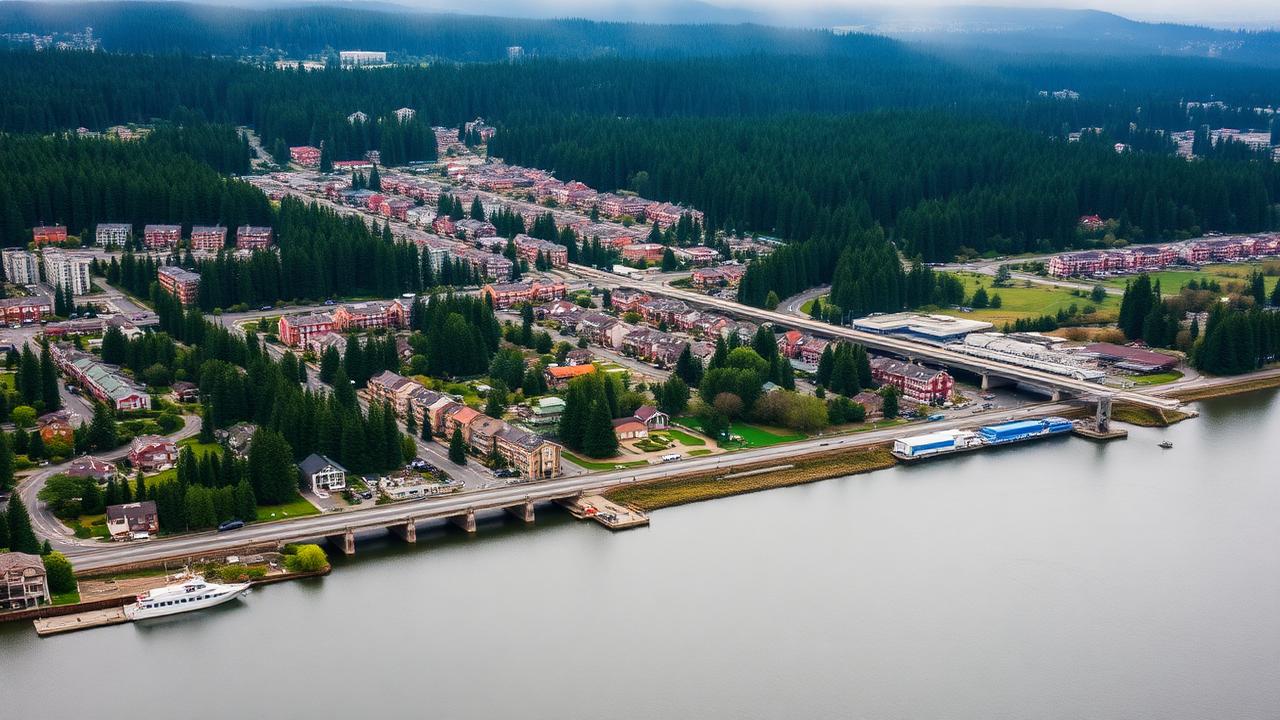
Clark County keeps growing, the rain keeps rodents active, and half your customers are commuting to Portland when they finally have time to call. Our AI systems answer whenever they dial.
Typical Vancouver implementation goes live in about 30-90 days.
Southwest Washington is growing quickly, and a large share of households commute across the river, which shifts the call curve.
Growth in Felida, Salmon Creek and Ridgefield puts new homes against wooded lots where rodents, wasps and carpenter ants are already established.
Persistent rain from October through April drives roof rats and mice into attics and crawl spaces across the county.
Families working in Portland call before 7am or after 6pm, which is exactly when most local offices are closed.
Regional and national brands advertise heavily here, so local companies win on response time and familiarity, not ad spend.
We configure around a commuter call curve and competition from larger regional brands.
Voice AI covers the hours your office is dark, which is when most Clark County homeowners actually dial.
See Voice AIMessaging AI finishes scheduling by text so a commuting customer never has to call twice.
See Messaging AIThe AI Sales System follows up with new residents to turn first-year one-off jobs into recurring plans.
See the AI Sales SystemWant to see what this looks like against your own Vancouver call volume? We will walk through it on a 30-minute call.
Book a Discovery CallService areas from Vancouver out to Salmon Creek, Battle Ground and Camas are configured during onboarding.
We have a deep, purpose-built FieldRoutes integration, and over 1,000 API connections available for everything else, so your Vancouver operation keeps one source of truth instead of four.
All third-party product names, logos, and brands are property of their respective owners. Use of these names does not imply endorsement or affiliation.
Clark County operators face national competitors and a customer base that calls outside business hours. AI intake makes a local company available whenever the phone rings, which is the advantage that actually converts.
Deciding whether AI is right for your business at all is a separate question from which market you are in. We answer it honestly, including when the answer is not yet, in our AI decision guides, starting with should I use AI in my pest control business.
Clark County's growth along the Columbia River and its wet Pacific Northwest winters set a pest calendar that repeats every year even as new subdivisions keep expanding the service area.
Carpenter ants become active in older Vancouver neighborhoods like Hough and Arnada as cedar-sided homes dry out enough for foraging trails to appear indoors. New subdivisions pushing into forested edges near Felida and Ridgefield generate a steady stream of first-time pest calls as homeowners encounter wildlife and insect pressure they did not expect moving from denser Portland-area housing. Moisture ants also swarm in older homes near Fourth Plain as spring rains keep crawl spaces damp.
Yellowjackets build nests in irrigation boxes and eaves across Salmon Creek and Battle Ground, and stings during summer cookouts generate urgent same-day requests. Spiders move into garages and outbuildings as wooded lots near Camas and Washougal stay cool and shaded through the dry season. New-construction communities see continued first-year pest calls as landscaping matures and creates fresh hiding spots for insects around foundations.
Spiders move indoors in noticeable numbers as outdoor temperatures cool, and Clark County's wooded subdivision edges near Ridgefield and Ridgefield National Wildlife Refuge produce the year's highest spider-sighting call volume. Rodent scouting begins as rats and mice start probing structures ahead of the return of heavy rain, particularly in homes backing onto greenbelt in Felida and Salmon Creek.
Persistent Pacific Northwest rain drives rats and mice into attics and crawl spaces across Clark County, with the heaviest volume in older Vancouver housing near Fourth Plain and Fruit Valley where crawl spaces sit close to grade. Commuter households working in Portland tend to notice and report the problem only after it has been active for days, since calls concentrate before 7am or after 6pm when residents are home long enough to hear activity.
Subterranean termite swarmers emerge from soil near older foundations in Hough and the Carter Park neighborhood as ground temperatures warm and spring rain saturates the soil, prompting a wave of inspection requests tied to home sales that close before the school year starts. Carpenter bees also begin drilling into unpainted fascia boards and deck railings on newer Felida and Salmon Creek homes, where builders often use untreated cedar trim that has not yet been sealed.
Bald-faced hornets and paper wasps build large aerial nests along the wooded greenbelts bordering Ridgefield National Wildlife Refuge and Salmon Creek, and stings near walking trails and backyard patios generate urgent removal requests through late summer. Occasional invaders like boxelder bugs and ladybugs also begin gathering on the sun-facing walls of homes near Prune Hill in Camas as they search for overwintering sites before the fall rains return.
Vancouver's rapid growth means yesterday's efficient route can already be outdated, and the Columbia River crossing adds a layer of complexity no other part of the metro has.
Any crew serving both Vancouver proper and Camas or Washougal on the same day has to cross either the I-5 or I-205 bridge corridor, both of which back up badly during Portland commute hours even though the service calls themselves are entirely on the Washington side. Scheduling bridge-adjacent stops outside the 7-9am and 4-6pm windows avoids losing the day to Oregon-bound traffic that has nothing to do with the job.
Growth areas like Ridgefield and the Felida corridor are adding houses fast enough that a route plan built even a year ago may not reflect current street layouts, and dispatch needs current address data rather than assuming a subdivision looks the way it did at the last visit. First-time customers in these areas also tend to need longer initial visits to explain service, which affects how many stops fit in a day.
Clark County stretches from the river north through Battle Ground, and SR-500 and SR-503 are the practical connectors between Vancouver's core and outlying growth areas. A route that tries to use only I-5 as a backbone misses efficient east-west options that cut real time off a Battle Ground or Ridgefield loop.
Since a large share of demand calls in before 7am or after 6pm when Portland commuters are actually home, crews benefit from staggered start times that put a technician on the road early enough to reach the first booked jobs from those early calls, rather than every crew starting at the same standard hour.
The wave of multifamily development around Vancouver's waterfront and along the Fourth Plain corridor is bringing in property-manager accounts that expect a single point of contact for pest issues across dozens of units rather than tenant-by-tenant scheduling. Capturing unit numbers and routing all requests from one building through a shared account keeps a fast-growing apartment portfolio from generating duplicate service calls for the same rodent or roach issue.
Clark County operators compete for licensed applicators against Portland-metro pest companies that can pay more given Oregon's larger urban base, and against the logistics and manufacturing employers around the Port of Vancouver. Building predictable routes that minimize bridge-crossing dead time and unpaid drive time between Ridgefield and Camas stops helps retain techs who would otherwise take a shorter commute on the Oregon side of the river.
More reading for operators working Vancouver, WA and the markets around it.
Location-specific guides written for the pest pressure, routes, and customer behavior of this market.
A short one-pager on the Vancouver market, the systems we build for operators here, and how implementation runs, written to be printed and passed around.
Last updated 2026-09-17
Try the messaging AI that answers texts, webchat, and social for pest control teams.
Start a ChatUse our free pest control AI assistant today, no contract, no setup call.
Try PestGPT FreePull last winter. We'll show you how many calls arrived before 8am or after 6pm and how many were never returned.
The Washington guide covers statewide pest pressure, licensing and call patterns, and links every Washington city guide we publish, including this one.