
Vacation rental turnover means someone new calls every week
A condo unit on Clearwater Beach can turn over every seven days during season, and each new renter or property manager is a fresh intake conversation with no service history to lean on.
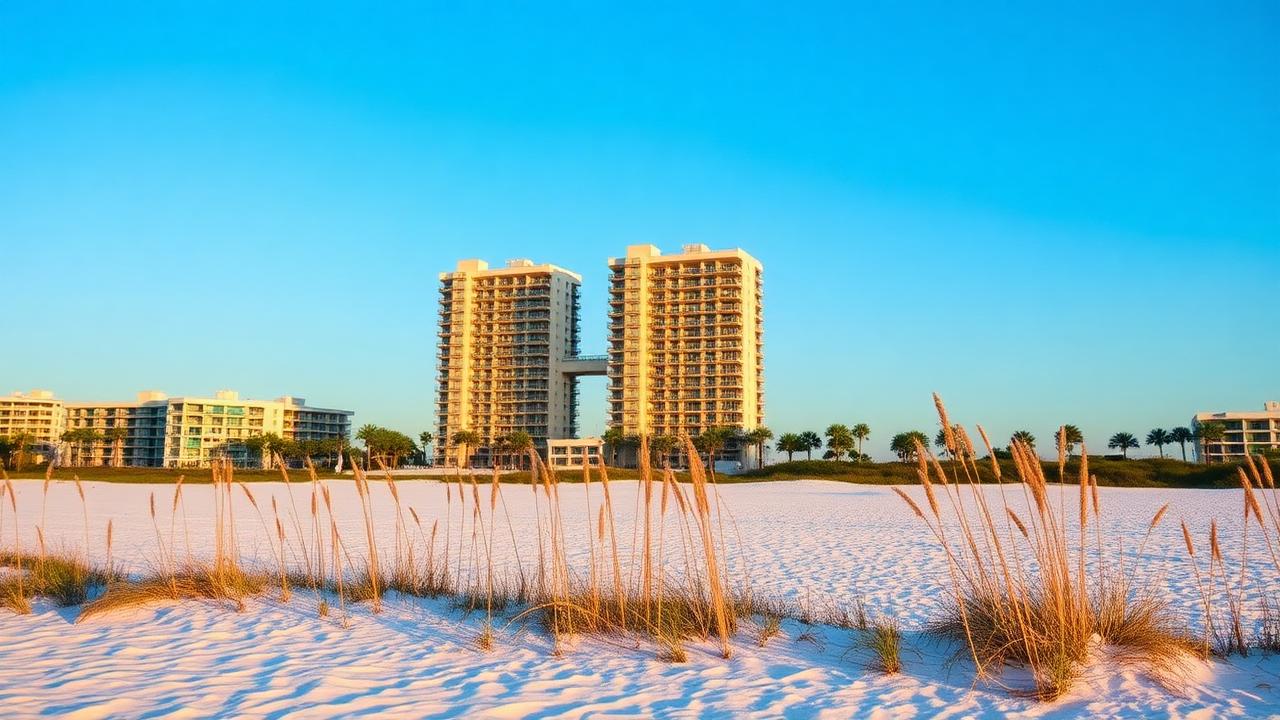
Clearwater runs two businesses at once: a mainland residential market and a beach economy full of condo towers, vacation rentals, and boards that vote on every vendor. Serving both well without dropping either one is a scheduling and communication problem first.
Typical Clearwater implementation goes live in about 30-90 days.
Clearwater Beach and the mainland behave like two different service territories with two different sets of rules.
A condo unit on Clearwater Beach can turn over every seven days during season, and each new renter or property manager is a fresh intake conversation with no service history to lean on.
High-rise buildings along Gulfview Boulevard and Mandalay Avenue require board approval, certificate of insurance on file, and a single point of contact for building access, which slows down anyone whose intake process assumes a homeowner is calling.
There is one main route onto the beach from downtown, and event traffic or a drawbridge opening can add twenty minutes to a run that a mainland-only schedule never accounts for.
Shared trash chutes, landscaping, and plumbing chases in multi-unit towers spread activity building-wide, so one complaint often means the association needs a coordinated response, not a single-unit visit.
Neighborhoods like Countryside and Safety Harbor fill up from roughly November through April, then go quieter, which means staffing has to flex without losing the relationships built during season.
We build the systems around your Clearwater operation, test them on live scenarios, and hand them to your team.
Messaging AI captures unit number, property manager contact, and access instructions on every new booking, so a weekly-turnover condo does not slow your office down.
See Messaging AIThe AI Sales System tracks the board contact, insurance requirements, and building-wide service history separately from individual unit calls, so a beach high-rise account does not get lost in a residential pipeline.
See the AI Sales SystemVoice AI picks up instantly at any hour, so a beach vacationer calling at 9pm about roaches gets booked instead of leaving a voicemail no one hears until morning.
See Voice AIOutbound campaigns reactivate seasonal mainland households before they return each fall, so the relationship survives the months they are not calling.
See Outbound CampaignsWant to see what this looks like against your own Clearwater call volume? We will walk through it on a 30-minute call.
Book a Discovery CallWe load your building contacts, association requirements, and causeway travel buffers during onboarding.
We have a deep, purpose-built FieldRoutes integration, and over 1,000 API connections available for everything else, so your Clearwater operation keeps one source of truth instead of four.
All third-party product names, logos, and brands are property of their respective owners. Use of these names does not imply endorsement or affiliation.
This market splits into a mainland residential business and a beach economy that runs on rentals, condo boards, and out-of-town owners who are hard to reach during business hours. A system that answers at 9pm, tracks a building contact separately from a unit renter, and confirms in writing fits how the beach side of this city actually transacts, which a phone left on voicemail cannot do.
Deciding whether AI is right for your business at all is a separate question from which market you are in. We answer it honestly, including when the answer is not yet, in our AI decision guides, starting with should I use AI in my pest control business.
Between beach rental cycles and a Gulf Coast climate that barely cools off, Clearwater's call volume shifts with the tourist calendar as much as with the weather.
Peak snowbird season fills Countryside and Safety Harbor with returning seasonal residents who want a pest inspection before settling back in, while beach-side condo towers run near full occupancy and generate steady palm rat and roach reports.
As snowbirds start heading north, mainland service requests taper while spring rains around the Alligator Creek watershed push subterranean termite swarms into Dunedin and Palm Harbor yards.
Summer humidity and daily thunderstorms drive German cockroach activity in beach high-rise kitchens along Gulfview Boulevard, and vacation rental turnover peaks with families booking weekly stays through Clearwater Beach and Island Estates.
From August through October, tropical storm threats can shut down the Memorial Causeway for evacuation traffic, and any storm that skirts the Gulf brings a wave of post-storm calls about displaced rodents and standing-water mosquito breeding.
As beach rental bookings thin out between summer and snowbird season, property managers use the lull to schedule deeper unit inspections, and mainland homeowners in Largo and Belleair report the year's second ant surge as outdoor colonies seek moisture indoors.
Snowbirds start returning to Countryside and Safety Harbor ahead of the holidays, association boards along the beach schedule building-wide treatments before the winter occupancy peak, and cooler nights push palm rats toward attics and soffits.
Clearwater's geography splits nearly every route into a mainland leg and a beach leg, and the connection between them is only as reliable as the bridge traffic that day.
US Highway 60 carries virtually all beach-bound traffic, so a stalled drawbridge or a summer event downtown can add real delay to every beach stop scheduled that day.
High-rise condos along Mandalay Avenue and Gulfview Boulevard require sign-in at a front desk or coordination with an off-site property manager, so technicians need access instructions confirmed before they leave the mainland.
North-south trips between Palm Harbor, Dunedin, and Largo funnel through US-19, and afternoon congestion near the Countryside Mall area can turn a short hop into a much longer one during peak traffic hours.
Countryside and Safety Harbor route density roughly doubles from November through April, so crews built for a lean summer schedule need a seasonal staffing plan rather than a flat headcount all year.
Most Clearwater Beach vacation units turn over on Saturdays, which concentrates inspection and treatment requests into a single weekend window that mainland routing rarely has to absorb.
A single high-rise contract can mean treating common areas, trash chutes, and multiple units in one visit, so routing has to block enough time for a building rather than treating it like a standard residential stop.
Tropical storm warnings can trigger evacuation orders for the barrier island with only a day or two of lead time, so beach-side appointments need a rebooking plan built in rather than treated as a one-off exception.
Narrow residential streets and heavy foot traffic near Clearwater Beach's commercial strip mean parking and unloading equipment takes longer than a comparable mainland stop.
Beachfront properties sometimes fall under setback and vegetation rules that limit where perimeter treatments can be applied, so technicians confirm property lines before treating dune-adjacent landscaping.
More reading for operators working Clearwater, FL and the markets around it.
Location-specific guides written for the pest pressure, routes, and customer behavior of this market.
A short one-pager on the Clearwater market, the systems we build for operators here, and how implementation runs, written to be printed and passed around.
Last updated 2026-09-17
Try the messaging AI that answers texts, webchat, and social for pest control teams.
Start a ChatUse our free pest control AI assistant today, no contract, no setup call.
Try PestGPT FreeBring your beach account list and your after-hours call log. Rental turnover and association contracts usually decide which company keeps the building.
The Florida guide covers statewide pest pressure, licensing and call patterns, and links every Florida city guide we publish, including this one.