
Redland nurseries and groves cannot wait on invasive pests
Exotic fruit growers and tropical plant nurseries in the Redland treat a fruit fly or scale insect find as an emergency, since a quarantine notice from the state can shut down shipping fast.
A Redland grower with a fruit fly outbreak, a Homestead Air Reserve Base family, and a Florida City warehouse tenant all dial the same number, and each one needs a different answer within minutes, not a callback tomorrow.
Typical Homestead implementation goes live in about 30-90 days.
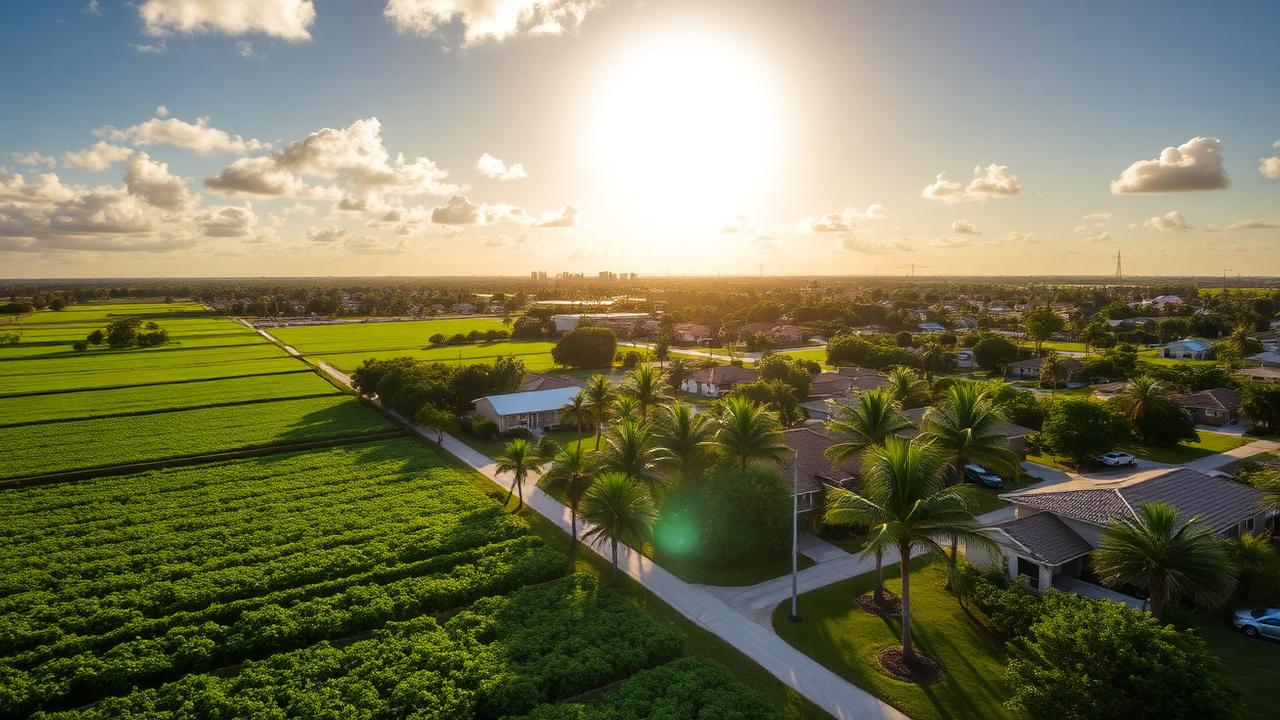
Homestead sits between farmland, a military installation, and a fast-growing residential edge, and each caller has a different clock running.
Exotic fruit growers and tropical plant nurseries in the Redland treat a fruit fly or scale insect find as an emergency, since a quarantine notice from the state can shut down shipping fast.
Military families rotate through nearby rentals on tight timelines, and move-in pest clearance often has to happen inside a narrow window set by the base housing office, not the pest company.
New-construction subdivisions spreading north of Krome Avenue create a steady stream of first-time termite treatments and bait station installs on properties that did not exist two years ago.
Produce packing operations near the Florida City corridor run seasonal harvest schedules, and rodent and stored-product pest calls cluster tightly around those harvest windows.
Properties backing up to canal berms and Everglades buffer land generate wildlife calls that a standard residential script is not built to triage correctly.
Wet-season downpours across the flat South Dade landscape push standing water into groves and yards alike, driving mosquitoes, ants, and rodents toward higher, drier ground, often a nearby home or barn.
We build the systems around your Homestead operation, test them against agricultural and residential scenarios, and hand them to your team.
Voice AI asks the right qualifying question up front so a Redland grove call with quarantine risk gets flagged and escalated differently than a routine ant complaint.
See Voice AIMessaging AI schedules and confirms clearance inspections against the narrow windows military families and base housing offices require, with written confirmation both sides can rely on.
See Messaging AIThe AI Sales System quotes and books pre-treatment and bait station work at the volume new subdivisions north of Krome Avenue require without adding office staff.
See the AI Sales SystemOutbound campaigns line up rodent and stored-product pest outreach with harvest schedules, reaching packing operations before the seasonal rush instead of after the complaint call.
See Outbound CampaignsWant to see what this looks like against your own Homestead call volume? We will walk through it on a 30-minute call.
Book a Discovery CallWe configure your agricultural, base-housing, and new-construction routing rules during onboarding.
We have a deep, purpose-built FieldRoutes integration, and over 1,000 API connections available for everything else, so your Homestead operation keeps one source of truth instead of four.
All third-party product names, logos, and brands are property of their respective owners. Use of these names does not imply endorsement or affiliation.
Adoption here is about triage speed across very different customers, not general call volume. A Redland grower worried about a quarantine notice, a military family on a base housing deadline, and a new subdivision resident all need the first minute of the call to go differently, and getting that routing wrong costs a truck roll or a missed window. The tools earn their keep by asking the right question first.
Deciding whether AI is right for your business at all is a separate question from which market you are in. We answer it honestly, including when the answer is not yet, in our AI decision guides, starting with should I use AI in my pest control business.
South Dade's wet-dry tropical climate and its harvest calendar together drive a pest pattern that runs opposite the mainland's spring-fall rhythm in several ways.
Winter harvest for tomatoes and row crops around Florida City brings seasonal farmworker housing online and packing houses into full operation, and rodent activity around cold storage and packing facilities peaks as grain and produce waste accumulates. Cooler, drier weather also drives rodents from surrounding fields into nearby structures seeking shelter, making this the busiest season for agricultural rodent contracts.
Exotic fruit groves in the Redland move into bloom, and growers watch closely for early signs of invasive pests like fruit flies that threaten the season's yield before the state even issues a quarantine notice. Termite swarms begin appearing in new-construction subdivisions north of Krome Avenue as the dry season's warming soil triggers colony activity in still-settling foundations.
Daily afternoon thunderstorms flood low-lying grove land and yards across the flat South Dade landscape, pushing mosquitoes, ants, and rodents toward higher ground, often meaning a nearby home, barn, or packing shed. Hurricane season also brings the risk of storm damage that triggers a wave of post-storm wildlife and rodent displacement calls, particularly near canal berms and Everglades buffer land.
As the wet season tapers, farms across the Redland and around Naranja and Princeton begin ramping up for the coming harvest, and pre-season pest inspections at packing facilities and grove infrastructure become a priority before produce volume picks up. New base housing turnover also tends to cluster in fall as military rotation schedules shift, adding move-in clearance requests to the calendar.
Because South Florida agriculture faces constant pressure from invasive pests like the Mediterranean fruit fly and Oriental fruit fly, any positive identification at a Redland grove or nursery can trigger a state quarantine with immediate shipping consequences. This creates a steady undercurrent of urgent calls throughout the year that operators need to distinguish immediately from routine residential pest complaints.
Homestead Air Reserve Base rotates personnel on a schedule set by military orders rather than a calendar season, so move-in and move-out pest clearance requests arrive steadily throughout the year rather than clustering around a single moving season the way a typical rental market does.
Homestead spans dense in-town neighborhoods, sprawling agricultural land, and a military installation, and each type of stop carries its own routing math.
Nearly every route through Homestead and Florida City eventually touches US-1 or Krome Avenue, and planning a day's stops around those two roads, rather than cutting through residential side streets, keeps drive time predictable.
A single nursery or grove property in the Redland can span many acres, and inspecting or treating a fruit fly concern there takes meaningfully longer than a typical suburban yard, so scheduling needs to account for that difference up front.
Entering Homestead Air Reserve Base property requires clearance through the base housing office, and a technician who shows up without that coordination already in place will be turned away at the gate.
The steady wave of new subdivisions expanding north of Krome Avenue creates a predictable, groupable set of pre-treatment and bait station jobs, and batching those stops into a single route saves significant drive time versus scattering them across the week.
Produce packing operations near Florida City need service intensity that follows their seasonal harvest volume, and locking these accounts into a fixed weekly schedule regardless of season either understaffs peak harvest or overstaffs the off-season.
Homes and farms backing onto canal berms or Everglades buffer land generate snake and wildlife calls that require different equipment and training than a standard pest route, and dispatch needs to know which technicians are equipped for that work.
Wet-season downpours regularly flood low-lying agricultural roads in the Redland, and crews need a same-day contingency plan for grove properties that become inaccessible after a heavy afternoon storm.
Seasonal agricultural workforce housing near Florida City sees a rise in occupancy during harvest months, and pest service demand there rises and falls with the same seasonal rhythm as the packing houses themselves.
A large share of Redland grove owners, farm managers, and farmworker households communicate primarily in Spanish, and intake that handles full conversations in Spanish avoids the delays and misunderstandings that come from a callback-and-translate workflow.
More reading for operators working Homestead, FL and the markets around it.
Location-specific guides written for the pest pressure, routes, and customer behavior of this market.
A short one-pager on the Homestead market, the systems we build for operators here, and how implementation runs, written to be printed and passed around.
Last updated 2026-09-17
Try the messaging AI that answers texts, webchat, and social for pest control teams.
Start a ChatUse our free pest control AI assistant today, no contract, no setup call.
Try PestGPT FreeBring a week of calls that mix agricultural, base-housing, and new-construction jobs. That mix usually reveals where your current setup breaks down.
The Florida guide covers statewide pest pressure, licensing and call patterns, and links every Florida city guide we publish, including this one.