
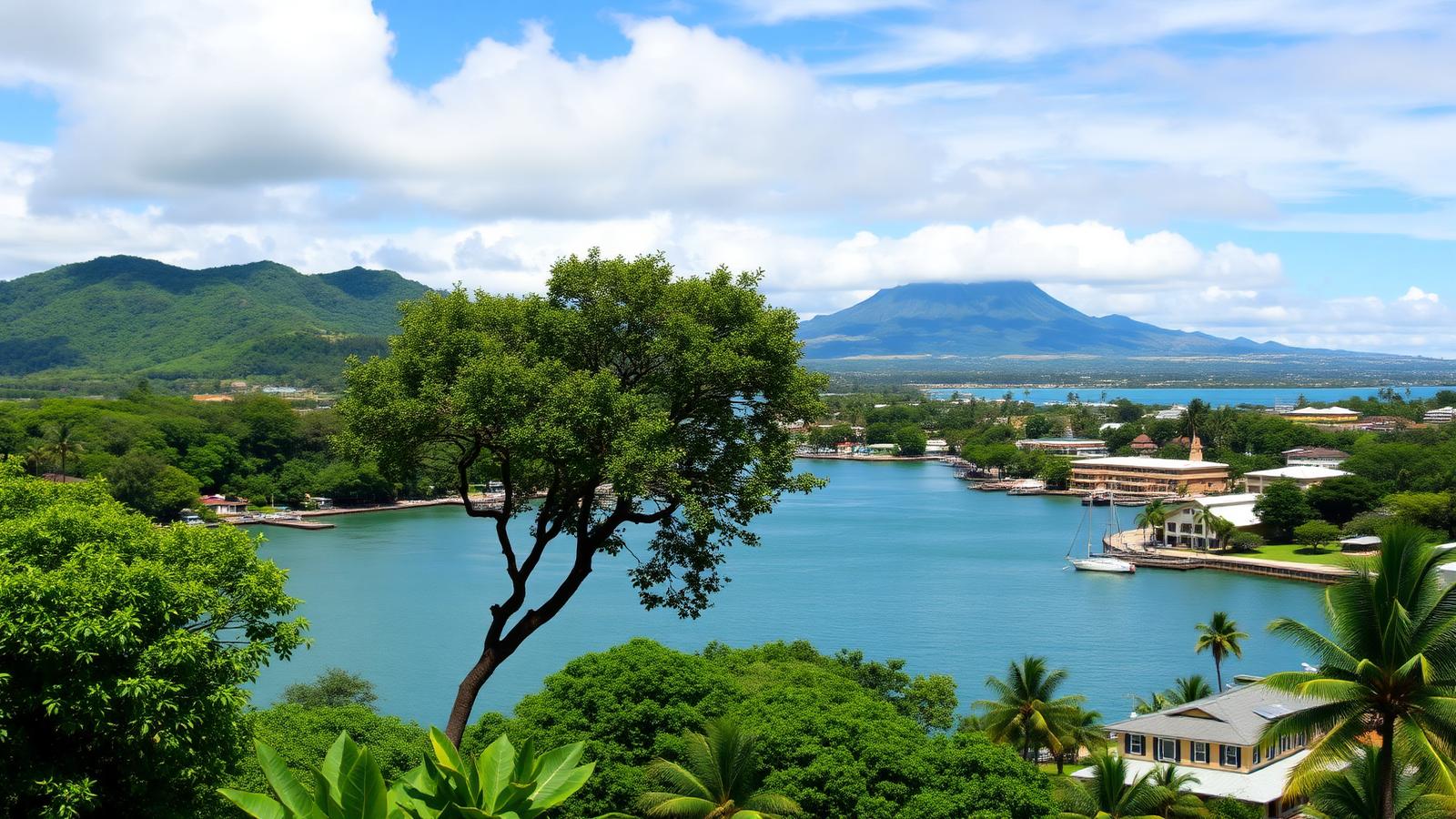
Rainbow Falls and lush tropical rainforest near Hilo, Hawaii
    Hilo, Hawaii

    Pest Control Software Built for Hilo Operators

    The wettest city in the country, coqui frogs screaming in Puna backyards, and little fire ants creeping out of nursery stock along the Hamakua Coast. We build the AI systems that keep Hilo operators ahead of a rainforest-driven pest calendar most companies never have to plan around.

    Typical Hilo implementation goes live in about 30-90 days.

    Why Hilo pest work is shaped by the rain

    Averaging well over 100 inches of rain a year, Hilo pushes pest pressure that dry-side mainland playbooks were never built for.

    Coqui frog noise complaints dominate the call board after dark

    Neighborhoods in Puna and along the Volcano Highway corridor fight nightly coqui frog choruses loud enough to draw HOA complaints, and homeowners calling about them expect a knowledgeable answer about treatment options, not a generic pest script.

    Little fire ants spread through nursery and landscaping stock

    The Big Island's nursery industry around Panaewa and Kurtistown has made little fire ants a persistent problem, with stinging infestations turning up in yards, orchards, and hapu'u fern shipments that need careful, methodical treatment.

    Constant humidity drives relentless termite and wood-borer pressure

    Downtown Hilo's older plantation-era buildings and homes along Kilauea Avenue sit in near-constant moisture, so subterranean and drywood termite activity runs steady through the year instead of spiking on a seasonal swarm.

    Coffee and macadamia farms need reliable rural service routes

    Operators covering farms up the Hamakua Coast and around Mountain View deal with long drive times between properties, so a missed or delayed callback from an agricultural account can mean losing that route entirely to a competitor.

    Rot and mold-friendly construction complicates exclusion work

    Many Hilo homes are built on post-and-pier foundations with open crawlspaces designed for airflow in the tropics, and that same design gives rodents, roaches, and centipedes easy access underneath the structure year-round.

    What we build for you

    What that means for your phones and your crews

    We build around a market where nightly frog complaints, farm accounts, and constant humidity all demand a different kind of coverage than a dry mainland city.

    Answer coqui frog complaints with the right information every time

    Voice AI is trained on your actual coqui treatment process, so a frustrated Puna homeowner calling at 9pm gets a clear, accurate answer instead of a message that sits until morning.

    See Voice AI

    Keep Hamakua Coast farm accounts from slipping to a competitor

    Messaging AI keeps rural coffee and macadamia accounts covered between long drive times, so a little fire ant sighting gets acknowledged immediately even when your crew is an hour away.

    See Messaging AI

    Convert one-time fire ant treatments into ongoing property contracts

    The AI Sales System follows up automatically after an initial little fire ant treatment, turning a single nursery or backyard callout into a recurring monitoring agreement.

    See the AI Sales System

    Want to see what this looks like against your own Hilo call volume? We will walk through it on a 30-minute call.

    Book a Discovery Call

    Operators across Hilo and the east Big Island

    Service areas across Hilo town and the surrounding districts are configured during onboarding.

    • Downtown Hilo
    • Puna
    • Keaau
    • Mountain View
    • Hamakua Coast
    • Panaewa

    Connected to the software you already run

    We have a deep, purpose-built FieldRoutes integration, and over 1,000 API connections available for everything else, so your Hilo operation keeps one source of truth instead of four.

    All third-party product names, logos, and brands are property of their respective owners. Use of these names does not imply endorsement or affiliation.

    What AI adoption looks like in Hilo

    Hilo's pest calendar runs on rainfall and humidity rather than a mainland freeze-thaw cycle, and the local species mix, coqui frogs, little fire ants, near-constant termite pressure, is genuinely unlike anywhere else operators service. That specificity means a generic mainland call script falls flat here, and an AI system trained on the actual local pests earns trust with callers immediately.

    • Coqui frog noise complaints spike nightly in Puna and Volcano Highway neighborhoods
    • Little fire ants spread through the nursery and landscaping industry near Panaewa
    • Constant humidity keeps termite and wood-borer activity steady year-round
    • Rural Hamakua Coast farm routes need reliable coverage despite long drive times

    Deciding whether AI is right for your business at all is a separate question from which market you are in. We answer it honestly, including when the answer is not yet, in our AI decision guides, starting with should I use AI in my pest control business.

    The Hilo pest calendar, season by season

    Hilo doesn't have a true dry season, so its pest calendar tracks rainfall intensity and harvest cycles rather than temperature swings.

    January - March

    Winter Kona storms push heavy rain across the east side, and that saturation drives rodents and centipedes up out of yards and into post-and-pier crawlspaces looking for dry ground. Coqui frog choruses stay loud through the wet winter nights in Puna, since the frogs need moisture rather than warmth to stay active. Coffee farms up the Hamakua Coast see fewer pest calls this time of year as harvest winds down, giving operators a window to catch up on routine residential accounts.

    April - June

    Little fire ant reports climb as nurseries around Panaewa and Kurtistown ramp up spring plant shipments, and homeowners who bought infested landscaping stock over the winter start noticing stings in their yards. Termite swarms pick up as soil temperatures rise, particularly in older Kilauea Avenue and downtown properties with wood-frame construction close to grade. Wasps become more active as flowering plants bloom across Hilo Bay-facing neighborhoods.

    July - September

    Peak humidity and the season's heaviest afternoon showers keep cockroach and centipede activity elevated across the district, with Manoa-style crawlspace intrusions common in older Hilo homes. Macadamia harvest ramps up around Mountain View and Kurtistown, and rodent pressure at storage sheds and processing sites rises right along with it. Coqui frog complaints often peak in this window as new colonies established during spring plant sales mature into full choruses.

    October - December

    Coffee harvest hits its peak along the Hamakua Coast, and rodents seeking the ripening cherry crop generate a steady run of farm service calls that require fast turnaround before losses mount. As rain intensifies heading into winter, termite swarmers move indoors seeking light at dusk, especially in older Hilo town buildings. Fire ant colonies established over the summer growing season are frequently found for the first time as landscaping crews winterize yards.

    Year-round: little fire ant quarantine pressure

    Because little fire ants are a state-regulated invasive species, any grower, nursery, or landscaper found with an active infestation faces shipping restrictions until treatment and follow-up testing clear the site. This creates a steady undercurrent of urgent calls throughout the year that are not tied to any single season, and callers from the nursery trade near Panaewa expect a same-day response given the shipping stakes involved.

    Year-round: humidity-driven termite and wood-borer activity

    Unlike mainland cities where termite swarms cluster into a few weeks each spring, Hilo's constant humidity keeps both subterranean and drywood termite colonies active continuously. Older plantation-era homes and commercial buildings downtown need routine inspection cycles rather than a single seasonal push, and operators who build termite service into a year-round recurring program capture far more revenue than those waiting for a spring swarm rush.

    What routing the Big Island's east side actually costs you

    Hilo combines a compact town core with rural farm routes that stretch for miles along the Hamakua Coast and up toward Volcano, so dispatch decisions carry real weight.

    Highway 19 and Highway 11 are the only reliable arteries

    Hilo Bay traffic funnels through a handful of main roads, and any route planned without anchoring on Highway 19 toward the Hamakua Coast or Highway 11 toward Puna and Volcano loses time weaving through side streets that were not built for commercial traffic.

    Rural farm stops eat a full route slot

    A single coffee or macadamia farm visit up toward Mountain View or the Hamakua Coast can consume the drive time of three or four in-town Hilo stops, so crews need to know before leaving the shop whether a farm stop is on the day's list.

    Post-and-pier crawlspace access varies wildly by property

    Older Hilo homes built up on posts for airflow and flood mitigation each have different crawlspace clearance and access points, and confirming that access during intake prevents a tech from arriving without the right gear for a low-clearance job.

    Rain delays are a daily scheduling variable, not an exception

    With Hilo's near-daily rain, exterior treatments and termite inspections need built-in flexibility, and crews that treat rain as a rare disruption rather than a constant planning factor end up rescheduling far more than necessary.

    Nursery and grower accounts require documented compliance visits

    Little fire ant treatment for commercial nurseries near Panaewa and Kurtistown often requires documentation for state agricultural inspectors, so these stops carry more paperwork and stricter timing than a routine residential visit.

    Puna's scattered subdivisions add unpredictable drive time

    Puna's rural subdivisions are large and loosely gridded, and a coqui frog service call there can involve navigating unmarked roads that don't match standard GPS routing, making address verification during intake essential.

    Downtown commercial accounts need after-hours termite inspection windows

    Older commercial buildings along Kamehameha Avenue and Kilauea Avenue often need termite inspections scheduled around business hours, which means grouping these stops into a dedicated block keeps the day's residential route on schedule.

    Volcano-area properties add elevation and weather variability

    Higher-elevation properties toward Volcano see cooler, wetter conditions than Hilo town itself, and crews heading that direction should expect longer service times for exclusion work given the higher moisture load in the wood there.

    Hilo pest control questions we get asked

    Hilo AI guides

    Location-specific guides written for the pest pressure, routes, and customer behavior of this market.

    Hilo overview
    • Should you use AIShould I use AI in my Hilo pest control business?Coming soon.
    • Will customers talk to AIWill pest control customers in Hilo talk to AI?Coming soon.
    • Best AI for pest controlWhat is the best AI for pest control in Hilo?Coming soon.
    • Speed to leadHow can Hilo pest control companies win with speed-to-lead?Coming soon.
    • Best software stackWhat is the best pest control software for Hilo operators?Coming soon.
    • Local marketingHow should pest control companies in Hilo market themselves locally?Coming soon.
    • Reviews & reputationHow can Hilo pest control companies get more reviews and protect their reputation?Coming soon.
    • Seasonal playbookWhat is the seasonal pest control playbook for Hilo?Coming soon.
    • Commercial AIHow does AI help commercial pest control accounts in Hilo?Coming soon.
    • Hiring vs AIShould Hilo pest control operators hire office staff or use AI?Coming soon.
    Free 48 KB PDF

    Download the Hilo, HI Pest Control AI Playbook

    A short one-pager on the Hilo market, the systems we build for operators here, and how implementation runs, written to be printed and passed around.

    • A Hilo market snapshot, the pressure that drives your call volume
    • The AI systems we run for operators here, in plain language
    • What a 30-day implementation actually looks like
    • Printable, so you can hand it to your office team

    Last updated 2026-09-17

    Loading the Hilo playbook form

    Three ways to see it working in Hilo

    Book a demo

    A 30-minute walkthrough against your own Hilo call volume.

    Book a Discovery Call

    Start a chat

    Try the messaging AI that answers texts, webchat, and social for pest control teams.

    Start a Chat

    Start free with PestGPT

    Use our free pest control AI assistant today, no contract, no setup call.

    Try PestGPT Free
    Final step

    Let's look at your evening call log

    Pull your numbers from the last month of coqui frog and fire ant complaints. We'll show you how many after-dark calls went unanswered and never turned into booked work.

    • A real review of your intake, not a canned demo
    • 30 minutes, and a typical implementation runs about 30-90 days
    • No contract to talk. We never share your details.

    Request your Hilo walkthrough

    Prefer to pick a time yourself? Book a Discovery Call