
Commercial and resort accounts demand documented service
Hotels, restaurants and property groups from Kahului to Wailea expect scheduled visits, logged reports and fast response on any sighting, which is administrative work as much as field work.
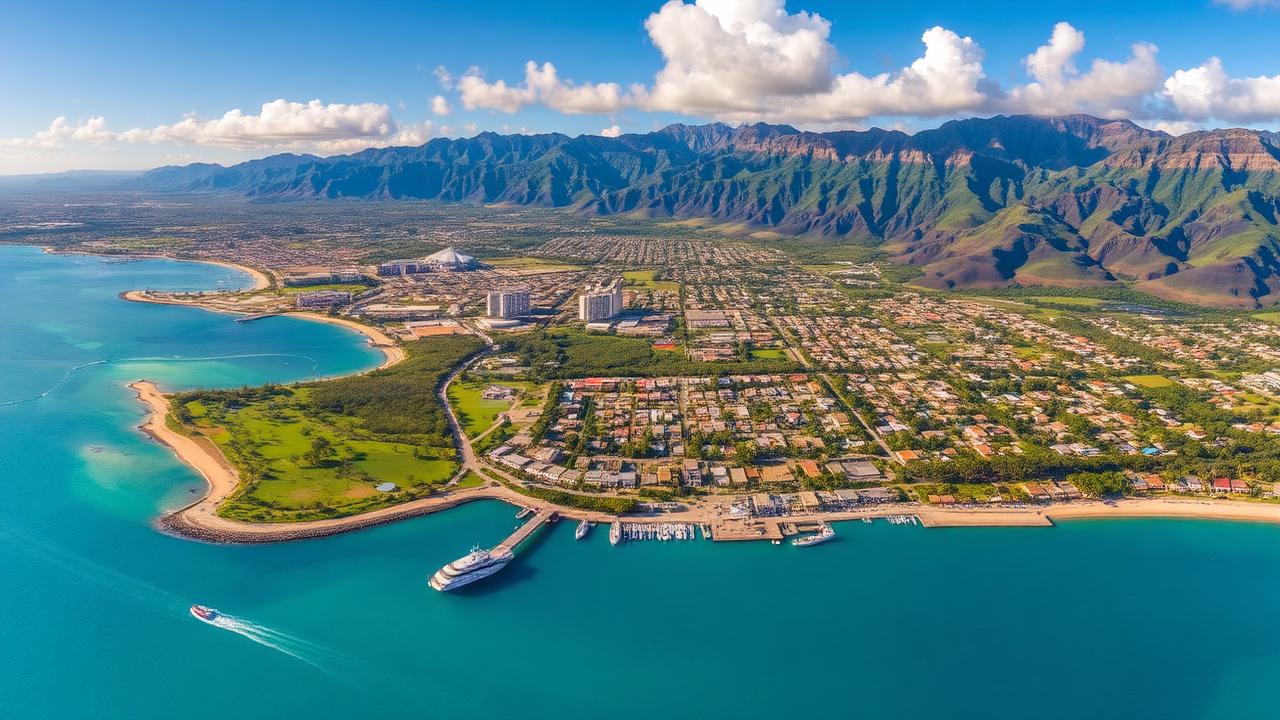
Maui's commercial and residential hub, where resort service contracts, dense local housing, and constant termite pressure all land on the same dispatch board. Our AI systems keep intake answered and scheduling clean across the island.
Typical Kahului implementation goes live in about 30-90 days.
Kahului is the island's port, airport and commercial core, so most Maui pest companies run their operation out of this corridor.
Hotels, restaurants and property groups from Kahului to Wailea expect scheduled visits, logged reports and fast response on any sighting, which is administrative work as much as field work.
Drywood and Formosan termites work through plantation-era homes in Wailuku and central Maui year-round, keeping inspections and fumigation referrals steady.
Neighborhoods near Haiku and upcountry report coqui and little fire ant activity in clusters, and those calls arrive urgent and emotional.
A route that jumps from Kahului to Kihei to Lahaina can lose two hours to driving, so intake accuracy and clustering matter more than raw speed.
Kahului Harbor and the airport corridor generate consistent rodent and stored-product pest contracts tied to shipping and freight, a workload that runs independent of the tourist calendar.
Short-term rental units scattered through Kahului and nearby Kihei need pest service slotted into tight guest-turnover windows, often on short notice from off-island property managers.
We configure around commercial accountability, residential volume and a road network that punishes bad sequencing.
Voice AI picks up every call and flags commercial urgency, so a restaurant sighting gets in front of a dispatcher within minutes.
See Voice AIMessaging AI confirms gate codes, unit numbers and availability windows so a Kihei or Lahaina run is never wasted.
See Messaging AIThe AI Sales System follows up on termite inspections and one-time treatments until they become quarterly plans.
See the AI Sales SystemWant to see what this looks like against your own Kahului call volume? We will walk through it on a 30-minute call.
Book a Discovery CallService areas from central Maui out to south and west shore communities are configured during onboarding.
We have a deep, purpose-built FieldRoutes integration, and over 1,000 API connections available for everything else, so your Kahului operation keeps one source of truth instead of four.
All third-party product names, logos, and brands are property of their respective owners. Use of these names does not imply endorsement or affiliation.
Maui operators juggle resort-grade documentation requirements with high residential volume across a long, slow road network. AI intake and follow-up remove the office bottleneck so crews spend their day treating instead of backtracking.
Deciding whether AI is right for your business at all is a separate question from which market you are in. We answer it honestly, including when the answer is not yet, in our AI decision guides, starting with should I use AI in my pest control business.
Maui's tropical climate keeps most pests active year-round, but tourist volume, trade wind patterns, and the wet-season shift from November through March still create a real seasonal rhythm in call type and volume.
Maui's wet season brings the year's heaviest rainfall, and moisture-driven termite swarming increases across older Wailuku and central Maui plantation-era homes as soil saturates. Coqui frog complaints from upcountry Haiku neighborhoods often intensify during these wetter months as frog populations respond to increased moisture.
As rainfall tapers and trade winds strengthen, general ant activity increases across resort corridors from Kahului to Wailea, and commercial accounts step up preventive service ahead of the peak summer visitor season. Vacation rental turnover calls begin rising as summer bookings fill up.
Peak visitor season keeps resort and vacation rental turnover calls at their highest volume of the year, competing directly with steady residential termite and ant service across Kihei and central Maui. Harbor and airport-area commercial rodent contracts also see routine mid-year servicing during this stretch.
As visitor volume eases slightly, termite inspection and fumigation referral requests pick up in older Wailuku neighborhoods, often tied to home sales activity in the shoulder season. Little fire ant reports from upcountry and Haiku properties tend to cluster in these months as residents notice colonies before winter rains return.
The return of the wet season brings rodents seeking shelter in both plantation-era Wailuku homes and newer central Maui construction, while holiday-season commercial demand from restaurants and hotels along the Kahului-to-Kihei corridor adds another layer of urgent, documentation-heavy service requests.
Kahului Harbor and the adjacent airport corridor generate consistent stored-product pest and rodent contract work tied to shipping schedules rather than season, which means this segment of commercial demand stays level even when residential and resort call volume shifts with the tourist calendar.
Kahului sits at the geographic center of Maui, which makes it the natural base for most operators, but real drive times to Kihei, Lahaina, and upcountry mean routing discipline matters more here than in a compact mainland city.
Getting from Kahului to west-side Lahaina or south-side Wailea runs almost entirely on the Honoapiilani and Piilani Highways, and a route that underestimates that drive time can lose most of a morning to a single misjudged trip.
Because Kahului and Wailuku sit close together at the island's center, residential and commercial stops in this core area can be clustered tightly, making them the most efficient block of any Maui route.
The drive down Piilani Highway to Kihei and Wailea takes real time, so grouping multiple south-shore stops, whether resort, vacation rental, or residential, into one trip avoids repeating that drive twice in a day.
Lahaina sits furthest from the Kahului base along the coastal highway, and a west-side route needs to be planned as its own dedicated trip rather than squeezed between central Maui stops.
Winding upcountry roads toward Haiku and Makawao can be narrow and require verified directions, and confirming access during intake avoids lost time on properties that don't show clearly on standard mapping.
Hotel and resort properties from Kahului to Wailea often require service scheduled around guest checkout and housekeeping windows, which means these commercial stops carry stricter timing constraints than a standalone residential visit.
Short-term rental units need pest service slotted into the narrow gap between checkout and the next guest's arrival, and confirming that exact window during intake is what keeps a route from missing the slot entirely.
Freight and cargo-adjacent accounts near Kahului Harbor and the airport often operate on shift schedules that do not match standard business hours, and confirming access windows during intake prevents a wasted trip to a closed facility.
Maui's trade winds can pick up sharply, and high-wind days sometimes require rescheduling exterior spray treatments, so building flexibility into the week's schedule keeps a single windy day from cascading into a backlog.
More reading for operators working Kahului, HI and the markets around it.
Location-specific guides written for the pest pressure, routes, and customer behavior of this market.
A short one-pager on the Kahului market, the systems we build for operators here, and how implementation runs, written to be printed and passed around.
Last updated 2026-09-17
Try the messaging AI that answers texts, webchat, and social for pest control teams.
Start a ChatUse our free pest control AI assistant today, no contract, no setup call.
Try PestGPT FreePull a typical week. We'll show you how much drive time came from calls that could have been clustered at intake.
The Hawaii guide covers statewide pest pressure, licensing and call patterns, and links every Hawaii city guide we publish, including this one.