
Dense housing spreads infestations between units
Townhomes and multi-family buildings around Pearl City and Aiea share walls and utility chases, so a single roach or bed bug problem quickly becomes a multi-unit job.
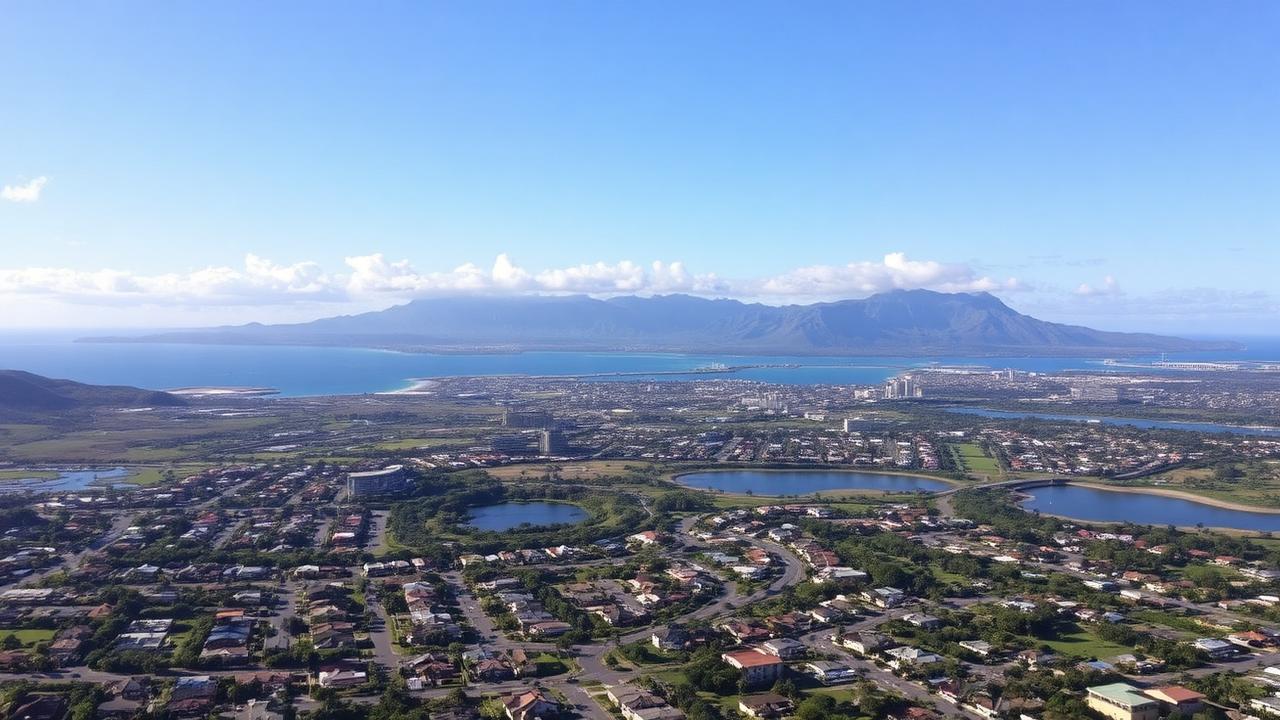
Dense central Oahu housing, military families rotating in and out on fixed dates, and roach, ant and termite pressure that never lets up. Our AI systems answer every call and keep move-in inspections on schedule.
Typical Pearl City implementation goes live in about 30-90 days.
Central Oahu combines high housing density with a large military population working against hard relocation dates.
Townhomes and multi-family buildings around Pearl City and Aiea share walls and utility chases, so a single roach or bed bug problem quickly becomes a multi-unit job.
Families moving through Joint Base Pearl Harbor-Hickam and nearby housing need inspections and clearances timed to strict move-in and move-out dates.
Evening swarm season sends a burst of calls from homeowners who saw hundreds of alates at their windows and want someone out immediately.
H-1 congestion between town and central Oahu means a job placed in the wrong slot can cost 45 minutes each way.
We configure around multi-unit complexity, hard military deadlines and Oahu traffic realities.
Voice AI answers the evening burst of termite calls so those homeowners book with you instead of the next number they dial.
See Voice AIMessaging AI collects unit numbers, neighbor coordination and property-manager approvals before a crew arrives.
See Messaging AIThe AI Sales System flags relocation deadlines and follows up automatically so those jobs are booked inside the window.
See the AI Sales SystemWant to see what this looks like against your own Pearl City call volume? We will walk through it on a 30-minute call.
Book a Discovery CallService areas from Pearl City through Aiea, Waipahu and Mililani are configured during onboarding.
We have a deep, purpose-built FieldRoutes integration, and over 1,000 API connections available for everything else, so your Pearl City operation keeps one source of truth instead of four.
All third-party product names, logos, and brands are property of their respective owners. Use of these names does not imply endorsement or affiliation.
Central Oahu operators compete on response time in a market where callers have plenty of options and military families are working against fixed dates. AI intake means every evening and weekend call gets a real answer.
Deciding whether AI is right for your business at all is a separate question from which market you are in. We answer it honestly, including when the answer is not yet, in our AI decision guides, starting with should I use AI in my pest control business.
Oahu's tropical climate keeps most pests active year-round, but Pearl City still has four recognizable windows tied to rainfall, swarm timing, and the PCS moving cycle. Crews plan staffing around these shifts rather than a hard freeze-thaw calendar.
Oahu's wet season pushes rainfall into central valleys around Pearl City and Waimalu, driving ants and centipedes out of saturated soil and into homes along hillside streets near Komo Mai Drive. Standing water in drainage areas near Waiau also creates mosquito breeding sites that persist through the cooler months. Termite colonies stay active underground during this period, and homeowners near Pacific Palisades often report ant trails in kitchens as ground moisture pushes colonies toward drier structures.
As the military's summer permanent change of station cycle ramps up, families moving in and out of housing near Joint Base Pearl Harbor-Hickam and Aiea need pest clearance inspections timed to fixed dates. Warming temperatures also start pushing roach activity up in older multi-family buildings along Kamehameha Highway, especially in units with shared plumbing chases. Landlords managing turnover properties in Waipahu request faster inspection turnaround as move-out dates cluster through May and June.
Evening swarms of winged termites become the defining event of Pearl City's pest calendar, with homeowners near Pearl City Highlands and Waipio reporting hundreds of alates around porch lights and windows after sunset. These calls arrive in sharp bursts after warm, humid evenings, often overwhelming phone lines within a single night. Roach pressure also peaks during these hot months in dense housing near Waimalu and Pearlridge, driven by kitchen activity and warm, humid crawl spaces.
A second, smaller PCS turnover wave hits as military families relocate before the holidays, again requiring inspections timed against base housing deadlines near Halawa and Aiea. Holiday cooking and increased kitchen traffic in dense townhome complexes around Pearl City town center drive a seasonal uptick in roach complaints. Rain returns toward December, restarting the ant and centipede pressure that will carry into the new wet season.
Roof rats move between the wooded gulches near Newtown Estates and Pearl City's residential yards throughout the year, drawn to fruit trees, bird feeders, and loose trash cans in older neighborhoods off Waimano Home Road. Mongoose sightings also increase around drainage culverts near Waiau, competing with rats for the same food sources and occasionally triggering exclusion requests from homeowners worried about crawlspace entry. Because Oahu never freezes, this pressure never fully subsides, but calls cluster after heavy rain flushes rodents out of the gulches and toward drier yards.
Late-summer tropical storms and hurricane-season rain bands that brush past Oahu leave standing water in gutters, tarps, and unused pools around Waipahu and Waipio, giving mosquitoes a fast breeding window. Calls for backyard mosquito treatments rise sharply in the days after a storm passes, particularly from households near drainage canals feeding into Pearl Harbor. Property managers overseeing military rental turnover also request mosquito abatement ahead of new-family move-ins, since standing water left by a prior tenant becomes a liability during final walkthroughs.
Central Oahu's geography funnels almost all traffic through a handful of corridors, and Pearl City's dense housing stock means routing decisions carry outsized weight. Crews plan around H-1 congestion, base access, and swarm-night unpredictability.
Nearly every job in central Oahu funnels through H-1 or the H-201 Moanalua Freeway connector, and both back up hard during the 6-9am and 3-6pm commute windows. A technician who gets stuck heading from Pearl City toward Waipahu during rush hour can lose 45 minutes each way, so dispatchers sequence Aiea and Halawa stops in the morning and push Waipahu and Mililani jobs to mid-day when traffic clears.
Jobs inside Joint Base Pearl Harbor-Hickam housing require gate clearance and appointment windows that don't always match a normal route sequence. Crews need buffer time built around base-access jobs, since a delay at the gate can cascade into missed windows for the rest of the day's route through Aiea and Halawa.
Termite swarm calls arrive in dense, unpredictable evening bursts concentrated in specific neighborhoods like Pearl City Highlands on a given humid night. Crews can't pre-plan these routes days ahead, so next-morning schedules need slack built in near the neighborhoods that swarmed, since those callers expect fast follow-up before alates finish shedding wings on their windowsills.
Townhome complexes around Pearlridge, Waimalu, and Pearl City town center pack many units within short walking distance, so a crew can treat several jobs in one stop rather than driving between each. Batching multi-unit complexes by building rather than by appointment time cuts drive time significantly compared to the sprawl of single-family lots out toward Waipio and Mililani.
Retail and restaurant tenants along the Kamehameha Highway corridor through Pearl City and Pearlridge often require pest service scheduled after closing to avoid disrupting customers, which means evening and early-morning routes need to be planned separately from daytime residential work. Property managers overseeing shopping centers near Pearlridge also request documentation for health inspections, so commercial jobs typically carry more paperwork per stop than a standard residential visit.
Central Oahu pest companies compete for technicians against construction, hospitality, and base-contractor employers that can offer comparable pay, so recruiting and retaining licensed applicators in a market as small and expensive as Oahu is a constant pressure. Companies that can demonstrate lower administrative overhead, since the AI Sales System and messaging AI absorb scheduling and follow-up work, free up existing techs to focus on treatment rather than phone triage, stretching a lean crew further during PCS turnover and swarm season.
More reading for operators working Pearl City, HI and the markets around it.
Location-specific guides written for the pest pressure, routes, and customer behavior of this market.
A short one-pager on the Pearl City market, the systems we build for operators here, and how implementation runs, written to be printed and passed around.
Last updated 2026-09-17
Try the messaging AI that answers texts, webchat, and social for pest control teams.
Start a ChatUse our free pest control AI assistant today, no contract, no setup call.
Try PestGPT FreePull a swarm-season week. We'll show you how many evening calls hit voicemail and never called back.
The Hawaii guide covers statewide pest pressure, licensing and call patterns, and links every Hawaii city guide we publish, including this one.