
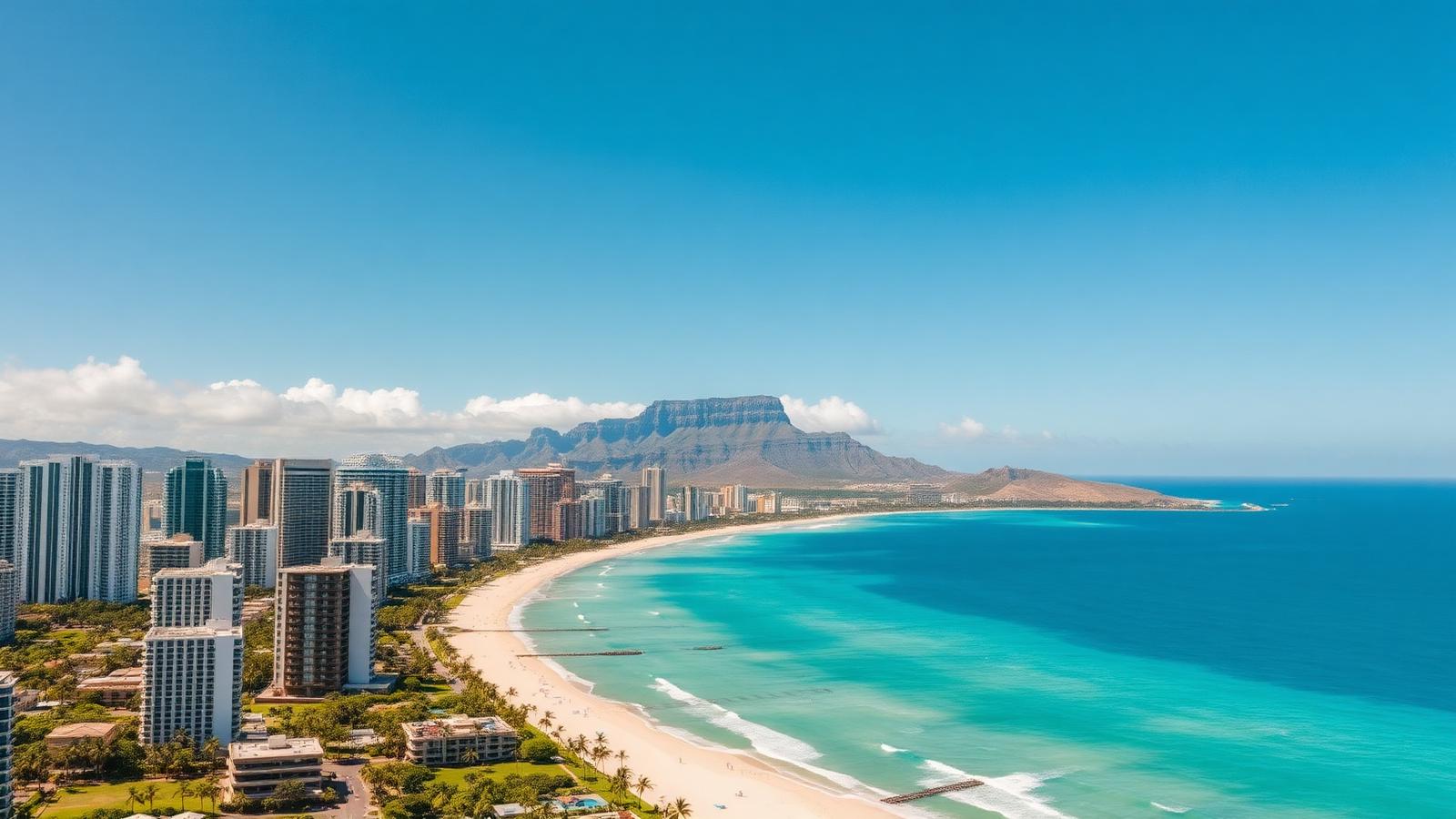
Waikiki high-rises and Diamond Head crater overlooking Honolulu, Hawaii
    Honolulu, Hawaii

    Pest Control Software Built for Honolulu Operators

    Formosan subterranean termites chewing through century-old buildings in Chinatown, cane spiders showing up in Manoa carports, and a Waikiki hotel corridor that cannot tolerate a single guest complaint. We build the AI systems that keep Oahu operators ahead of all three.

    Typical Honolulu implementation goes live in about 30-90 days.

    Why Honolulu pest work is unlike any mainland market

    Dense high-rise living, a resort economy, and Oahu's most aggressive termite species combine to make Honolulu one of the highest-stakes pest markets in the country.

    Formosan subterranean termites swarm hard after summer rains

    Honolulu sits in one of the worst Formosan termite zones in the country, and older wood-frame buildings around Chinatown and Kalihi see alates swarming toward streetlights on humid evenings, triggering a rush of inspection calls that cannot wait for a callback.

    High-rise condo towers need coordinated building-wide treatment

    From Kakaako to Ala Moana, dense condo towers mean a single roach or bed bug report can require notifying an entire board and scheduling dozens of units, a logistics job that overwhelms a phone line staffed by one person.

    Waikiki resort accounts have zero tolerance for delay

    Hotels along Kalakaua Avenue and the Ala Wai canal need a guaranteed same-day response to any pest sighting, since a single bad review from a tourist can spread faster than the infestation itself.

    Cane spiders, centipedes, and mongoose calls spike after heavy rain

    Large cane spiders and Scolopendra centipedes push out of Manoa and Nuuanu valley yards during wet weather, generating anxious homeowner calls that need calm reassurance and fast scheduling rather than voicemail.

    Ala Wai canal proximity drives chronic mosquito and rodent pressure

    Buildings and homes near the Ala Wai canal deal with standing water and canal-bank vegetation that sustain mosquito breeding and rat activity well beyond what a typical urban block would see, making it a recurring line item for property managers along the canal.

    What we build for you

    What that means for your phones and your crews

    We build around a market where termite swarms, condo boards, and resort general managers all expect an immediate answer.

    Capture every Formosan swarm-season call the moment it comes in

    Voice AI answers instantly when termite swarms hit Kalihi and Chinatown streetlights, logging the address and swarm details so your crews can prioritize inspections without losing callers to voicemail.

    See Voice AI

    Keep Waikiki resort accounts covered around the clock

    Messaging AI gives hotel facilities managers along Kalakaua Avenue an instant response any hour, so a guest-room pest sighting gets acknowledged before it becomes a review.

    See Messaging AI

    Turn single-unit condo calls into building-wide contracts

    The AI Sales System follows up with condo association contacts after an initial unit treatment, helping convert one Kakaako tower complaint into an ongoing building-wide service agreement.

    See the AI Sales System

    Want to see what this looks like against your own Honolulu call volume? We will walk through it on a 30-minute call.

    Book a Discovery Call

    Operators across urban Honolulu

    Service areas across the urban core and windward-facing neighborhoods are configured during onboarding.

    • Waikiki
    • Kakaako
    • Kalihi
    • Manoa
    • Kaimuki
    • Hawaii Kai

    Connected to the software you already run

    We have a deep, purpose-built FieldRoutes integration, and over 1,000 API connections available for everything else, so your Honolulu operation keeps one source of truth instead of four.

    All third-party product names, logos, and brands are property of their respective owners. Use of these names does not imply endorsement or affiliation.

    What AI adoption looks like in Honolulu

    Honolulu operators juggle a termite species more aggressive than almost anywhere else in the country alongside a resort industry with no patience for delay. That combination of high-stakes commercial accounts and dense residential towers is exactly where always-on AI intake pays for itself, since a missed call during swarm season or a slow resort response both carry real financial cost.

    • Formosan subterranean termite swarms create sudden, intense inspection demand
    • Dense condo towers from Kakaako to Ala Moana require multi-unit coordination
    • Waikiki resort accounts expect same-day response to protect guest reviews
    • Cane spiders and centipedes drive anxious homeowner calls after heavy rain

    Deciding whether AI is right for your business at all is a separate question from which market you are in. We answer it honestly, including when the answer is not yet, in our AI decision guides, starting with should I use AI in my pest control business.

    The Honolulu pest calendar, season by season

    Oahu's tropical climate keeps most pests active year-round, but rainfall intensity, swarm timing, and the tourist calendar still create distinct pressure windows across urban Honolulu.

    April - June (early swarm season)

    As trade winds shift and humidity climbs ahead of summer, the first Formosan termite alates begin appearing around older Chinatown and downtown buildings on humid evenings, giving property owners an early warning before the season's peak. Ants and cockroaches also become more active indoors as the weather warms, adding to routine residential call volume across Kaimuki and Kalihi.

    July - September (peak swarm and tourist season)

    Formosan termite swarms hit their most intense stretch as summer humidity peaks, and Chinatown, Kalihi, and older Kaimuki homes see the year's heaviest inspection demand. This overlaps directly with Waikiki's busiest tourist season, so resort accounts along Kalakaua Avenue and the Ala Wai need guaranteed fast response precisely when swarm-driven inspection volume is also at its highest, stretching operator capacity from two directions at once.

    October - November (post-swarm cleanup and condo season)

    As swarm activity tapers, calls shift toward treatment and follow-up work identified during the summer's inspection rush. Condo boards in Kakaako and Ala Moana often schedule building-wide treatment programs in this window, since the slower fall season gives management companies more flexibility to coordinate access across dozens of units.

    December - March (wet season, valley wildlife pressure)

    Winter brings Oahu's heaviest rainfall, and that moisture pushes cane spiders, centipedes, and small rodents out of Manoa and Nuuanu valley yards and into carports and garages seeking dry shelter. Termite swarm activity slows significantly during these cooler, wetter months, giving crews more bandwidth to handle wildlife-adjacent calls and routine residential service.

    Year-round: Waikiki resort response demands

    Unlike residential seasonality, Waikiki's hotel and resort accounts along Kalakaua Avenue expect same-day or better response every day of the year, since occupancy stays high across most of the calendar and a single guest complaint about pests can surface in an online review within hours regardless of season.

    Year-round: Ala Wai canal mosquito and rodent pressure

    The Ala Wai canal's standing water and dense bank vegetation sustain mosquito breeding and rat activity continuously, and buildings along the canal corridor typically need recurring service scheduled on a fixed interval rather than waiting for seasonal spikes to trigger a call.

    What routing urban Honolulu actually costs you

    Honolulu's mix of a dense resort corridor, high-rise condo towers, and valley neighborhoods means routing decisions hinge on building access and traffic timing as much as distance.

    H-1 traffic dictates when a route can move across town at all

    The H-1 freeway is the backbone connecting Kalihi, downtown, Waikiki, and points east, and its notorious rush-hour congestion means routes crossing multiple neighborhoods need to be sequenced around the worst commute windows rather than dispatched in a straight line.

    High-rise condo access requires building management coordination

    Towers in Kakaako and Ala Moana typically require advance notice to building management for elevator scheduling and unit access, and a technician arriving without that coordination in place can lose the appointment slot entirely.

    Waikiki resort stops need service scheduled around guest activity

    Hotels along Kalakaua Avenue often restrict pest service to specific hours to avoid disrupting guests, and treating a resort stop like a standard residential visit risks a service call that gets turned away at the loading dock.

    Formosan swarm season overloads inspection capacity fast

    When swarms hit Chinatown and Kalihi simultaneously, inspection requests can spike sharply within days, and operators without a plan to triage by severity risk falling weeks behind on lower-urgency jobs while chasing every swarm report equally.

    Manoa and Nuuanu valley routes run slower than flat urban stops

    Narrow, winding valley roads in Manoa and Nuuanu add real time to routes compared to the grid streets of urban Honolulu, and crews scheduling valley stops back-to-back with downtown appointments often underestimate the drive time between the two.

    Parking near Waikiki and downtown adds friction to every stop

    Limited and expensive parking near Waikiki hotels and downtown high-rises means technicians often need validated parking arranged in advance, and building that into scheduling keeps a ten-minute service call from becoming a thirty-minute ordeal.

    Condo board approval processes slow down building-wide contracts

    Converting a single-unit complaint into a building-wide service agreement in a Kakaako tower usually requires board approval, which can take weeks, and following up methodically during that approval window is what separates a one-time job from a recurring contract.

    Interisland material and equipment logistics affect emergency response

    Because Oahu is an island, specialized termite treatment materials or equipment shortages can't be resolved with a quick supplier run the way a mainland city might, and operators need to maintain buffer stock for peak swarm season rather than ordering reactively.

    Honolulu pest control questions we get asked

    Honolulu AI guides

    Location-specific guides written for the pest pressure, routes, and customer behavior of this market.

    Honolulu overview
    • Should you use AIShould I use AI in my Honolulu pest control business?Coming soon.
    • Will customers talk to AIWill pest control customers in Honolulu talk to AI?Coming soon.
    • Best AI for pest controlWhat is the best AI for pest control in Honolulu?Coming soon.
    • Speed to leadHow can Honolulu pest control companies win with speed-to-lead?Coming soon.
    • Best software stackWhat is the best pest control software for Honolulu operators?Coming soon.
    • Local marketingHow should pest control companies in Honolulu market themselves locally?Coming soon.
    • Reviews & reputationHow can Honolulu pest control companies get more reviews and protect their reputation?Coming soon.
    • Seasonal playbookWhat is the seasonal pest control playbook for Honolulu?Coming soon.
    • Commercial AIHow does AI help commercial pest control accounts in Honolulu?Coming soon.
    • Hiring vs AIShould Honolulu pest control operators hire office staff or use AI?Coming soon.
    Free 48 KB PDF

    Download the Honolulu, HI Pest Control AI Playbook

    A short one-pager on the Honolulu market, the systems we build for operators here, and how implementation runs, written to be printed and passed around.

    • A Honolulu market snapshot, the pressure that drives your call volume
    • The AI systems we run for operators here, in plain language
    • What a 30-day implementation actually looks like
    • Printable, so you can hand it to your office team

    Last updated 2026-09-17

    Loading the Honolulu playbook form

    Three ways to see it working in Honolulu

    Book a demo

    A 30-minute walkthrough against your own Honolulu call volume.

    Book a Discovery Call

    Start a chat

    Try the messaging AI that answers texts, webchat, and social for pest control teams.

    Start a Chat

    Start free with PestGPT

    Use our free pest control AI assistant today, no contract, no setup call.

    Try PestGPT Free
    Final step

    Let's look at your swarm-season call log

    Pull your numbers from the last big Formosan termite swarm. We'll show you how many inspection calls came in after hours and never converted to a booked visit.

    • A real review of your intake, not a canned demo
    • 30 minutes, and a typical implementation runs about 30-90 days
    • No contract to talk. We never share your details.

    Request your Honolulu walkthrough

    Prefer to pick a time yourself? Book a Discovery Call