
Heavy rainfall keeps ants, roaches and centipedes active
Frequent downpours push ants and centipedes indoors across Lihue, Kapaa and Puhi, generating steady residential calls in every month of the year.
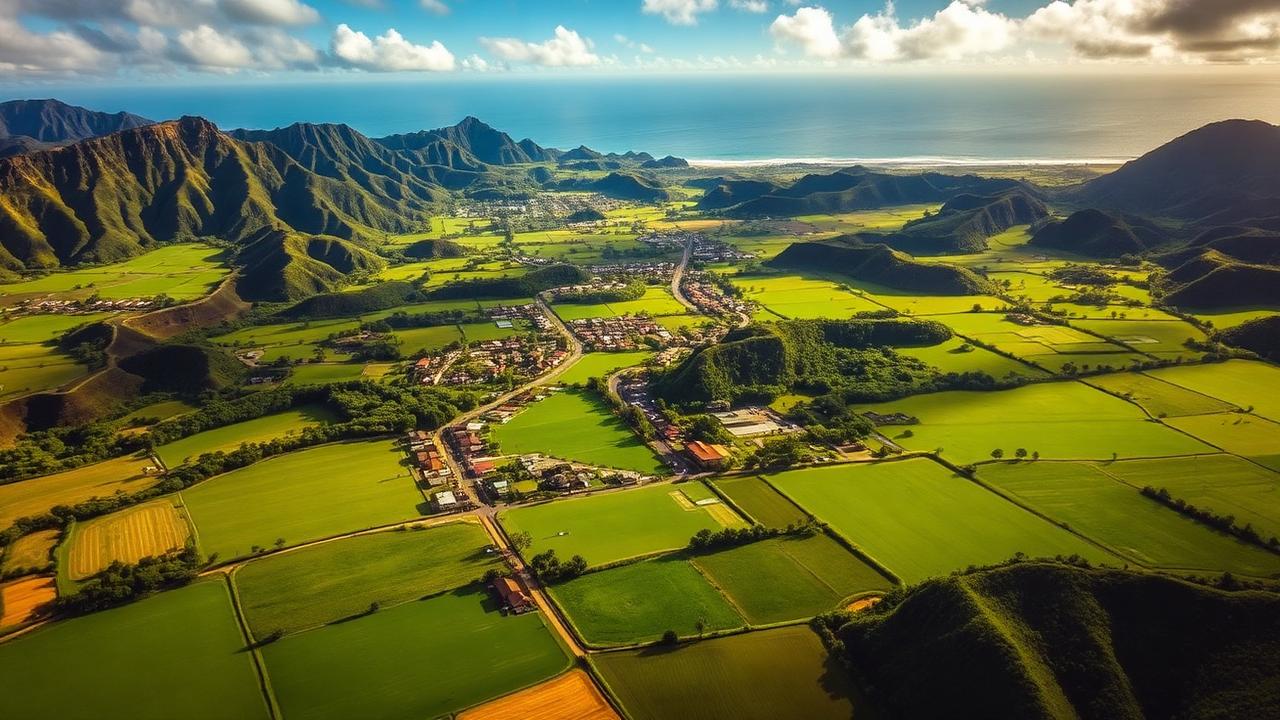
Kauai's commercial hub, where resort contracts, vacation rental turnover and some of the wettest terrain in the country all feed the same dispatch board. Our AI systems keep every call answered while your crew circles the island.
Typical Lihue implementation goes live in about 30-90 days.
Kauai combines heavy moisture, a visitor-driven economy and a road network with no shortcuts.
Frequent downpours push ants and centipedes indoors across Lihue, Kapaa and Puhi, generating steady residential calls in every month of the year.
Properties in Poipu, Princeville and along the east side want treatment between guests, often with a same-day window.
With a single ring road and predictable congestion around Lihue and Kapaa, a stop scheduled out of sequence can cost half a morning.
Drywood and ground termite activity in older east-side homes keeps inspections and referrals coming regardless of season.
We configure around property-manager traffic, constant residential volume and a road network that rewards clustering.
Voice AI picks up every call, captures unit and access details, and keeps property managers from dialing the next company.
See Voice AIMessaging AI confirms gate codes and open windows so a run to Princeville or Poipu always lands.
See Messaging AIThe AI Sales System follows up after treatments to convert single visits into quarterly plans.
See the AI Sales SystemWant to see what this looks like against your own Lihue call volume? We will walk through it on a 30-minute call.
Book a Discovery CallService areas from Lihue around the island to the north and south shores are configured during onboarding.
We have a deep, purpose-built FieldRoutes integration, and over 1,000 API connections available for everything else, so your Lihue operation keeps one source of truth instead of four.
All third-party product names, logos, and brands are property of their respective owners. Use of these names does not imply endorsement or affiliation.
Kauai operators serve a visitor economy with high expectations on a small island where drive time is the biggest hidden cost. AI intake keeps the phones covered while crews stay on route.
Deciding whether AI is right for your business at all is a separate question from which market you are in. We answer it honestly, including when the answer is not yet, in our AI decision guides, starting with should I use AI in my pest control business.
Kauai does not have a true off-season, but the balance between wet-season and dry-season pests shifts noticeably from November through April versus the drier summer stretch. Resort turnover and rainfall intensity both drive the calendar more than temperature does.
The wettest months bring the year's heaviest rainfall to the north shore around Princeville and Hanalei, pushing ants and centipedes indoors across Lihue and Kapaa as saturated ground drives them toward drier structures. Coqui frog complaints rise in landscaped resort areas as moisture levels favor breeding. Vacation rental turnover slows only slightly during this period since winter remains a popular visitor season, so property managers in Poipu still expect same-day service between guest stays despite the weather making outdoor treatment windows harder to schedule.
As rain begins to taper, drywood and ground termite swarms become more common in older plantation-era homes on the east side near Kapaa and Wailua, driving a steady rise in inspection requests. Cane spiders and roaches remain active in the still-humid air. Resort and rental turnover accelerates heading into the busy spring travel season, with Poipu and Princeville properties requesting tighter service windows between checkouts and check-ins as occupancy climbs toward summer.
The driest stretch of the year still carries steady ant and cockroach activity given Kauai's baseline humidity, but centipede complaints ease slightly compared to the wet season. Peak summer visitor volume keeps resort and vacation rental accounts in Poipu and along the east side calling for fast turnaround service, since a missed treatment window can mean an unhappy guest review. Termite inspections continue for older homes, and mosquito activity persists near any standing water left in landscaped resort grounds.
As rainfall begins building back up ahead of winter, ants and centipedes start reappearing indoors across Lihue and Puhi. Property managers preparing for the winter high season request inspections and treatments ahead of the visitor influx. Termite swarmer activity can spike after the season's first heavy rains hit older wood-frame homes on the east side. This transitional window is also when many resort contracts renew, giving operators a chance to lock in service agreements before winter occupancy peaks.
Kauai never truly cools off, so wasp and hornet nests continue building in eaves and landscaping year-round across Wailua Homesteads and Omao, with activity peaking whenever a stretch of calmer weather lets colonies expand undisturbed. Cockroach pressure stays constant in older multi-family housing near Lihue town, driven by consistent humidity rather than any single season. Property managers overseeing long-term rentals in Kalaheo often request quarterly service rather than seasonal treatment, since the island's pest pressure does not meaningfully drop off the way mainland accounts expect.
Tropical storm threats during peak hurricane season occasionally force last-minute rescheduling as crews secure equipment and vacation rental managers in Poipu and Princeville request pre-storm inspections to document existing conditions. After any heavy storm passes, standing water left in gutters and landscaping around Kapaa and Hanamaulu drives a short but sharp spike in mosquito complaints. Coqui frog activity also intensifies in the humid aftermath, particularly in the wetter valleys near Wailua, generating noise-complaint-driven service calls from both residential and resort accounts.
With no bypass and no shortcuts, Kauai routing lives or dies on sequencing. A stop out of order on the ring road costs real hours, not minutes.
Kuhio Highway and Kaumualii Highway form the island's only real route, so a crew that services Princeville in the morning and then gets called back to Lihue before finishing the north shore loses significant time reversing direction. Routes should be built in one continuous direction whenever possible, clustering north shore, then east side, then south shore stops in sequence.
Traffic through Lihue and Kapaa backs up during the morning and afternoon commute, particularly near the airport and Coconut Marketplace area. Crews with resort or rental stops in Poipu or Princeville should aim to clear the Lihue-Kapaa corridor before 7:30am or after 9am to avoid losing time in stop-and-go traffic.
Poipu and Princeville both concentrate multiple resort and vacation rental accounts within a few miles, so afternoon guest-turnover windows can be stacked efficiently once a crew is already on that side of the island, rather than sending a second crew back out later in the day.
Older homes on the east side near Kapaa and Wailua often have additions and outbuildings that were not part of the original structure, so termite inspections there take longer than in newer housing. Scheduling should budget extra time per stop in these neighborhoods rather than assuming a standard inspection length.
Grand Hyatt Kauai, the Marriott properties in Lihue and the condo complexes managed out of Poipu each carry service contracts with documentation requirements that differ from residential work. Calls from a resort facilities manager should route differently than a homeowner in Puhi, with faster callback expectations and clearer paper trails, since a missed commercial service window can trigger contract penalties that a missed residential appointment never would.
When tropical weather forces a day off the road, the backlog does not spread evenly. Vacation rental turnovers in Poipu and Princeville can not simply wait until next week, since a new guest is often checking in within days. Rebooking after a storm should prioritize turnover-window accounts first, then work back through routine residential stops in Lihue and Kapaa, rather than rescheduling in the order jobs were originally missed.
More reading for operators working Lihue, HI and the markets around it.
Location-specific guides written for the pest pressure, routes, and customer behavior of this market.
A short one-pager on the Lihue market, the systems we build for operators here, and how implementation runs, written to be printed and passed around.
Last updated 2026-09-17
Try the messaging AI that answers texts, webchat, and social for pest control teams.
Start a ChatUse our free pest control AI assistant today, no contract, no setup call.
Try PestGPT FreePull a busy month. We'll show you how many rental and resort calls came in while your crew was on the far side of the island.
The Hawaii guide covers statewide pest pressure, licensing and call patterns, and links every Hawaii city guide we publish, including this one.