
New subdivisions never stop breaking ground
Communities off Ten Mile, Chinden and Eagle Road are filling in fast, and each new phase brings homeowners looking for a first pest control provider.
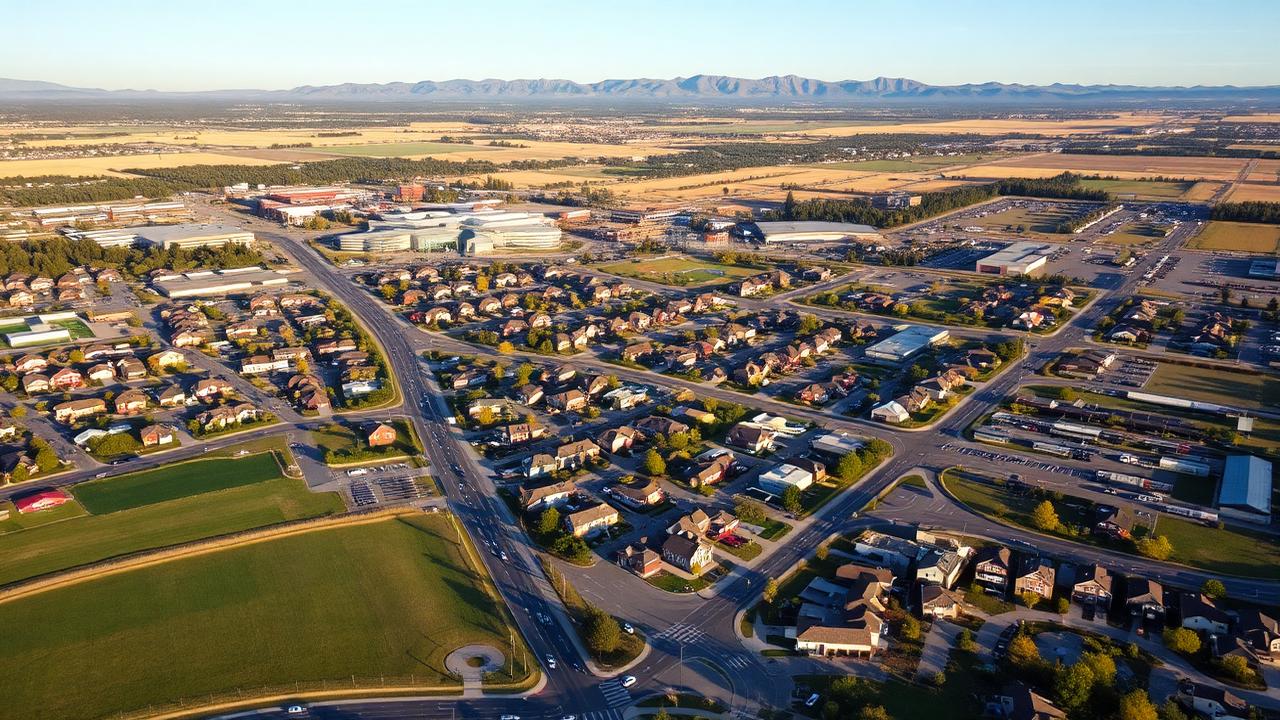
Meridian keeps adding rooftops faster than almost any city in the Treasure Valley, its pressurized irrigation systems keep ants and spiders active through the summer, and HOA-managed subdivisions expect consistent scheduled service. Our AI systems keep every inbound call and text handled while your crews cover the growth.
Typical Meridian implementation goes live in about 30-90 days.
Meridian's population boom and irrigated landscaping create constant demand for new accounts and recurring service.
Communities off Ten Mile, Chinden and Eagle Road are filling in fast, and each new phase brings homeowners looking for a first pest control provider.
Meridian's widespread lawn irrigation systems keep ants, spiders and earwigs moving into homes through the dry summer months.
Master-planned neighborhoods often coordinate pest programs at the HOA level, meaning consistency and communication matter as much as treatment quality.
Techs cover a spread-out, fast-expanding service area, so efficient routing and quick response to new leads directly affect capacity.
We configure around new-subdivision volume, HOA communication needs, and irrigation-season pest pressure.
Voice AI answers instantly so new Meridian homeowners get signed up before they call the next company on the list.
See Voice AIMessaging AI sends appointment confirmations and reminders that keep HOA-coordinated communities satisfied with consistent service.
See Messaging AIThe AI Sales System follows up on estimates from new subdivisions so fast growth turns into signed accounts, not lost quotes.
See the AI Sales SystemWant to see what this looks like against your own Meridian call volume? We will walk through it on a 30-minute call.
Book a Discovery CallService areas from Meridian out through Eagle, Boise and Kuna are configured during onboarding.
We have a deep, purpose-built FieldRoutes integration, and over 1,000 API connections available for everything else, so your Meridian operation keeps one source of truth instead of four.
All third-party product names, logos, and brands are property of their respective owners. Use of these names does not imply endorsement or affiliation.
Meridian operators work one of the fastest-growing markets in the Treasure Valley, where new subdivisions and irrigated landscaping drive steady demand. AI intake keeps growth from outpacing the phone.
Deciding whether AI is right for your business at all is a separate question from which market you are in. We answer it honestly, including when the answer is not yet, in our AI decision guides, starting with should I use AI in my pest control business.
Meridian's call volume tracks the pressurized irrigation season and the pace of new-home closings more than it tracks weather alone. Techs plan around ant swarms, box-elder invasions, wasp nests near new patios, and the mouse pressure that follows fall harvest on the valley's remaining farmland.
When Nampa & Meridian Irrigation District and pressurized systems come online across Paramount, Bridgetower and Reflection Ridge, moisture-loving pavement ants and odorous house ants move from lawns into foundations within weeks. Homeowners in newer stucco-and-vinyl builds near Ten Mile Road report trails along baseboards and kitchen counters almost overnight. Spiders, especially hobo and wolf spiders, follow the same moisture gradient into window wells and garages. Techs see a spike in same-week callbacks from HOA-managed subdivisions where irrigation timers run daily, keeping soil wet against slab foundations all summer long.
As daytime highs push past 95 along the Eagle Road corridor, box-elder bugs and field crickets migrate off the last patches of undeveloped farmland toward newly landscaped yards seeking shade and water. Wasps and yellowjackets build nests under eaves on homes finished within the past year, since fresh construction rarely has existing barrier treatments. New subdivisions like Prevail and Bainbridge see a surge of first-time-buyer calls asking about a nest near a play structure or patio, often the homeowner's first pest encounter since closing.
As Ada County farms finish harvest west of Black Cat Road, disturbed fields push field mice and voles toward the newest rooftops on Meridian's growth edge. Overwintering pests, including boxelder bugs and cluster flies, begin staging on south-facing stucco walls looking for gaps to enter as nights cool. HOA communities that run fall newsletters often trigger a cluster of same-week requests after residents compare notes about rodent droppings in garages near unfinished landscaping strips.
Once nightly lows drop into the teens, house mice push hard into crawlspaces and garages throughout Ten Mile and Chinden corridor subdivisions, exploiting gaps around irrigation sleeves and dryer vents that builders left unsealed. Spiders retreat into basements and mechanical rooms. Call volume shifts toward exclusion work rather than treatment, and new-build warranty callbacks rise as first-winter homeowners notice gaps around foundation vents for the first time.
Before irrigation systems even turn on, subterranean termite swarmers emerge from soil around older homes near Old Town Meridian and the original Main Street core, where mature landscaping and established irrigation lines have kept soil moisture consistent for decades. Newer subdivisions west of Ten Mile rarely see swarmers this early since the soil hasn't had years to develop colonies, so termite calls this month cluster almost entirely in Meridian's original neighborhoods rather than the growth corridor. Techs use the narrow window to sell inspection contracts before the irrigation-driven ant surge crowds out termite conversations.
As families settle into the school year, service requests dip briefly across Paramount and Reflection Ridge before rebounding hard once box-elder and cricket pressure peaks against south and west-facing exteriors. Homeowners closing on new builds finished over summer start their first pest contracts during this stretch, often timed with HOA welcome packets that list recommended vendors. Yellowjacket activity remains elevated near outdoor kitchens and patios common in Meridian's newer premium subdivisions, since worker wasps forage aggressively before colonies collapse with the first frost.
Meridian's service area grows every quarter, and yesterday's routing plan can be obsolete by the time a new phase off Chinden opens. Dispatch has to account for road construction, HOA gate codes, and a territory that stretches from established neighborhoods to raw dirt lots.
New phases off Ten Mile Road and Linder Road can add dozens of serviceable addresses before a subdivision even shows up correctly in mapping software. Dispatchers have to manually confirm new street names and gate codes rather than trusting stale map data, and routes built in January often need rebuilding by April as fresh streets open.
Techs crossing between west Meridian and Eagle Road accounts during the 4-6 p.m. commute can lose 20-30 minutes to backups near the Eagle Road interchange. Scheduling stacks morning appointments in the newest western subdivisions and pushes eastern Eagle-adjacent stops to midday to avoid the worst commuter windows.
Communities like Paramount and Bridgetower require registered vehicle access or gate codes updated seasonally, and a tech arriving without current credentials burns a wasted trip. Keeping access details attached to each account, not just a phone number, cuts down on no-access callbacks that eat into a route's remaining daylight.
Because pest demand rises with new-home closings as much as with weather, crew capacity needs match builder handoff schedules from developers active in Meridian's growth corridor. A slow builder quarter means fewer new-service calls regardless of season, so staffing plans built purely around typical Treasure Valley weather patterns tend to overstaff in slow construction stretches and understaff during closing surges.
Restaurants and retail centers near The Village at Meridian and the Eagle Road shopping district often require service scheduled before opening or after closing to avoid disrupting customers, unlike residential subdivision stops that fit standard daytime windows. Dispatch needs a separate scheduling lane for these commercial partners so a 6 a.m. restaurant callback doesn't collide with the morning rush of new-subdivision residential appointments.
Every new phase that opens off Chinden or Ten Mile eventually becomes a recurring-service territory, and companies that don't hire ahead of that curve end up turning away HOA contracts they could have won. Recruiting techs familiar with Ada County's spread-out geography, and comfortable learning new subdivisions monthly, matters more in Meridian than in slower-growth Treasure Valley markets where routes stay static year to year.
More reading for operators working Meridian, ID and the markets around it.
Location-specific guides written for the pest pressure, routes, and customer behavior of this market.
A short one-pager on the Meridian market, the systems we build for operators here, and how implementation runs, written to be printed and passed around.
Last updated 2026-09-17
Try the messaging AI that answers texts, webchat, and social for pest control teams.
Start a ChatUse our free pest control AI assistant today, no contract, no setup call.
Try PestGPT FreePull the last quarter of inquiries from new communities. We'll show you how many got a same-day response.
The Idaho guide covers statewide pest pressure, licensing and call patterns, and links every Idaho city guide we publish, including this one.