
Deer mice and voles move in from surrounding rangeland
Neighborhoods bordering the high desert see field rodents pushing toward structures, especially as temperatures drop in fall.
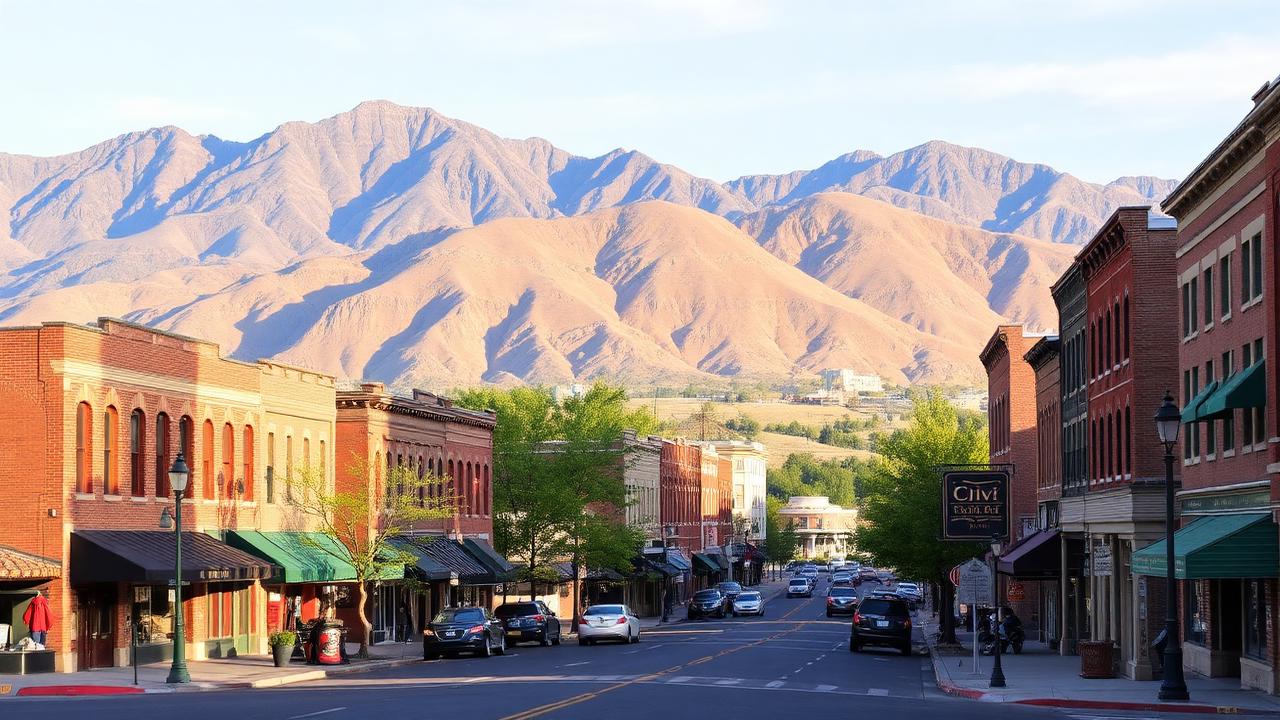
High-desert terrain around the Portneuf Valley pushes deer mice and voles toward Pocatello's neighborhoods, Idaho State University adds a wave of rental housing that turns over every fall, and dry summers bring wasps and yellow jackets into yards and eaves. Our AI systems keep the calls covered across the academic year.
Typical Pocatello implementation goes live in about 30-90 days.
A high-desert setting combined with a university town creates distinct rodent and seasonal insect patterns.
Neighborhoods bordering the high desert see field rodents pushing toward structures, especially as temperatures drop in fall.
Student rentals near campus and Old Town turn over every August, creating a wave of new-tenant pest calls and move-in inspections.
Pocatello's arid summer climate is prime for stinging insect activity around eaves, decks and outdoor gathering spaces.
Rock outcroppings and foundations built into hillside lots give rodents natural harborage close to homes.
We configure around rental turnover cycles, fall rodent intrusion, and summer wasp calls.
Voice AI answers around the clock during the August turnover rush so landlords and new tenants get scheduled without delay.
See Voice AIMessaging AI confirms exclusion appointments as field rodents move toward structures with the seasonal temperature drop.
See Messaging AIThe AI Sales System follows up on summer wasp nest quotes so seasonal demand converts into booked jobs.
See the AI Sales SystemWant to see what this looks like against your own Pocatello call volume? We will walk through it on a 30-minute call.
Book a Discovery CallService areas from Pocatello out through Chubbuck and the Portneuf Valley are configured during onboarding.
We have a deep, purpose-built FieldRoutes integration, and over 1,000 API connections available for everything else, so your Pocatello operation keeps one source of truth instead of four.
All third-party product names, logos, and brands are property of their respective owners. Use of these names does not imply endorsement or affiliation.
Pocatello operators work a market shaped by high-desert terrain and a university calendar that drives sharp seasonal swings. AI intake keeps rental turnover and rodent season from overwhelming the phone.
Deciding whether AI is right for your business at all is a separate question from which market you are in. We answer it honestly, including when the answer is not yet, in our AI decision guides, starting with should I use AI in my pest control business.
Pocatello pest pressure follows the Portneuf Valley high-desert climate and the Idaho State University academic calendar in equal measure. Crews plan around dry summers, sharp fall temperature swings, and the August student turnover.
As snowpack in the surrounding hills melts and rangeland dries out, deer mice and voles begin moving from open fields bordering neighborhoods like Highland and the Portneuf Valley toward foundations and outbuildings. Homeowners near basalt outcroppings on the city's east side report early rodent sightings as burrows near rock formations get disturbed by spring runoff. Ant activity also picks up in irrigated lawns around Old Town as soil temperatures warm.
Pocatello's arid summer climate, often exceeding 90 degrees with low humidity, pushes wasps and yellow jackets to build nests under eaves, in shed rafters and around outdoor decks throughout Alameda and Chubbuck. Ground-nesting yellow jackets become a hazard in yards and parks as food and moisture sources grow scarce elsewhere in the high desert. This period overlaps with peak outdoor entertaining season, driving a steady volume of stinging-insect calls through late August.
As ISU students move into rentals near campus and Old Town each August, pest calls spike from new tenants discovering existing cockroach, ant or rodent issues left by prior occupants. Landlords managing multiple units near Benton Street and the campus perimeter request move-in and move-out inspections on a compressed timeline tied to the semester start. This turnover window creates the sharpest single spike in call volume of the year.
As temperatures drop below freezing overnight, deer mice and voles accelerate their push from rangeland and basalt rock outcroppings toward hillside homes in neighborhoods built into the terrain east of downtown. Structures with gaps around foundations built into rocky lots see the highest intrusion rates. Commercial kitchens and warehouses near the rail yards also request preventive rodent service ahead of winter to protect stored goods.
Warm spells in late January and February trigger cluster flies that overwintered in wall voids of older Old Town and Highland homes to become active again, showing up on sunny windowsills even while snow remains on the ground. Boxelder bugs follow a similar pattern in homes near mature boxelder trees along the Portneuf River corridor. These early-season nuisance calls are typically light compared to spring rodent activity, but landlords preparing units for spring leasing often request treatment before showings begin.
Idaho State University's dining halls and dormitory kitchens require pest service on a schedule set by health-department inspection cycles rather than the residential calendar, and commercial accounts along Yellowstone Avenue near the campus perimeter follow similar year-round contracts. These stops demand consistent documentation for inspectors and rarely fluctuate with weather, giving operators a steady baseline of commercial revenue that offsets the sharp seasonal swings driven by rangeland rodents and August rental turnover.
Pocatello spread-out high-desert geography and university-driven demand spikes require different routing logic than a dense metro. Dispatch planning has to account for rangeland distances and the academic calendar.
Crews covering both Pocatello and Chubbuck rely on I-15 to move between service areas quickly, but the corridor sees added congestion during ISU home football games and shift changes at the nearby rail yards. Scheduling techs to avoid these windows keeps commercial stops near the interstate on time.
Homes built into rocky hillside lots east of downtown often require techs to park further from the structure and carry equipment over uneven terrain, adding time per stop compared to flat-lot neighborhoods like Alameda. Dispatchers should budget extra minutes for these addresses when building daily routes.
The concentrated wave of move-in and move-out inspections tied to ISU's August semester start creates a short but intense staffing need near campus and Old Town. Operators who bring on seasonal help or shift full-time crews toward inspection work during this window avoid the backlog that follows a missed turnover season.
Properties bordering open rangeland on the city's outskirts, particularly toward the Portneuf Valley, sit farther from central dispatch than in-town stops, so routes built around Old Town or Highland should account for the added drive time before adding rangeland-adjacent addresses to the same day's schedule.
Pocatello's high-desert winters can drop overnight temperatures well below zero, and technicians scheduled for exterior rodent exclusion or wasp nest removal near basalt outcroppings often need same-day rescheduling when ice makes hillside driveways impassable. Building flexibility into routes near Highland and the eastern hillside neighborhoods during cold-snap forecasts prevents a backlog of missed appointments once conditions clear.
Pocatello's job market includes Idaho State University and nearby Idaho National Laboratory contractors, both of which compete for the same pool of technically capable workers that pest control companies need for licensed technician roles. Operators who can point to lighter administrative load, since AI systems handle scheduling and follow-up calls, have an easier time making a technician job attractive against a lab or university employer offering steadier hours.
More reading for operators working Pocatello, ID and the markets around it.
Location-specific guides written for the pest pressure, routes, and customer behavior of this market.
A short one-pager on the Pocatello market, the systems we build for operators here, and how implementation runs, written to be printed and passed around.
Last updated 2026-09-17
Try the messaging AI that answers texts, webchat, and social for pest control teams.
Start a ChatUse our free pest control AI assistant today, no contract, no setup call.
Try PestGPT FreePull last fall's move-in inquiries. We'll show you how many got scheduled before the semester started.
The Idaho guide covers statewide pest pressure, licensing and call patterns, and links every Idaho city guide we publish, including this one.