
Century-old housing along 25th Street needs specialized service
Historic homes and commercial buildings downtown have unique construction and access points that require experienced pest work.
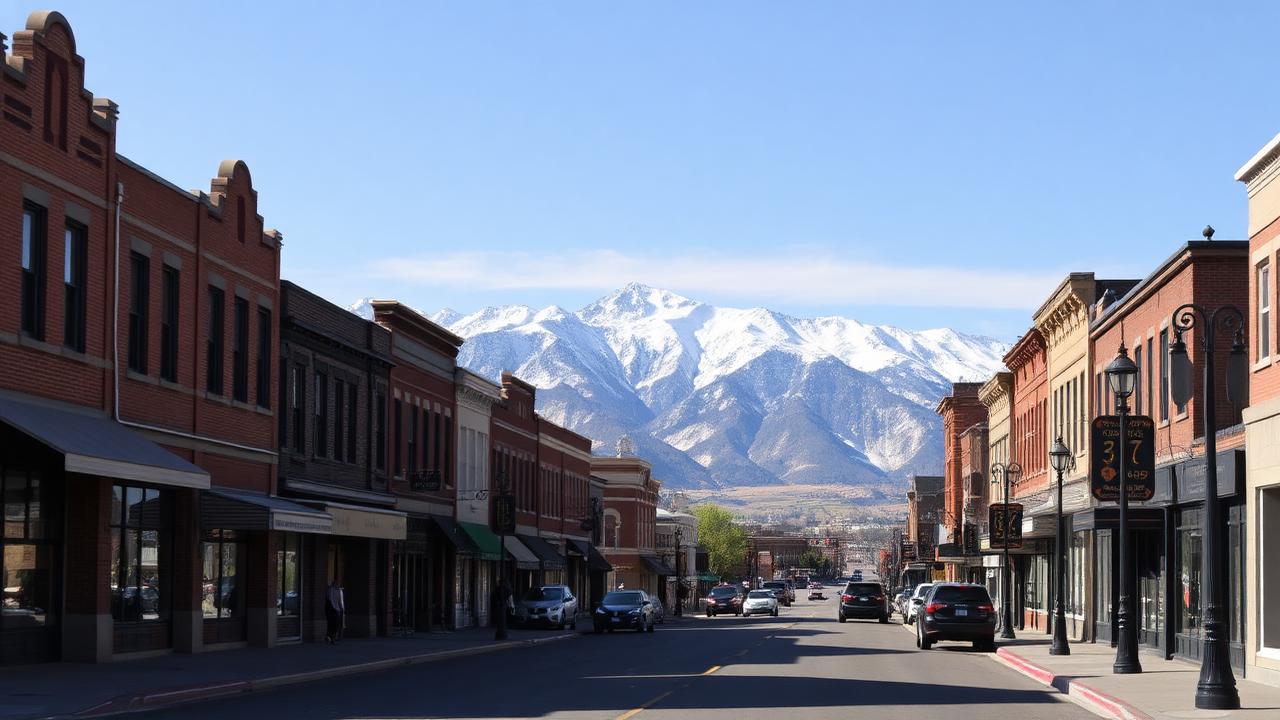
Ogden's century-old housing stock along historic 25th Street brings steady structural pest work, homes built right into the Wasatch foothills see rodents and spiders pushing down the canyons, and the city's rail and warehouse district demands fast commercial response. Our AI systems keep every call covered across this varied market.
Typical Ogden implementation goes live in about 30-90 days.
A historic railroad city built against the Wasatch foothills creates a wide range of structural and seasonal pest work.
Historic homes and commercial buildings downtown have unique construction and access points that require experienced pest work.
Neighborhoods built into the base of the Wasatch Range, near Ogden Canyon and the bench areas, see seasonal wildlife and pest pressure moving downhill.
Ogden's historic role as a rail hub means warehouse and industrial accounts near the tracks expect quick turnaround on rodent sightings.
Established east-bench homes and newer west-side developments both require consistent, adaptable pest programs.
We configure around historic-building service, foothill rodent pressure, and commercial rail-district urgency.
Voice AI answers around the clock and gathers structure details for the century-old buildings along 25th Street and downtown.
See Voice AIMessaging AI confirms exclusion and trapping appointments as canyon-adjacent neighborhoods see seasonal rodent pressure.
See Messaging AIThe AI Sales System and routing keep warehouse and industrial accounts near the tracks prioritized ahead of routine work.
See the AI Sales SystemWant to see what this looks like against your own Ogden call volume? We will walk through it on a 30-minute call.
Book a Discovery CallService areas from Ogden out through Roy, South Ogden and North Ogden are configured during onboarding.
We have a deep, purpose-built FieldRoutes integration, and over 1,000 API connections available for everything else, so your Ogden operation keeps one source of truth instead of four.
All third-party product names, logos, and brands are property of their respective owners. Use of these names does not imply endorsement or affiliation.
Ogden operators work a market shaped by historic housing, Wasatch foothill terrain, and a working rail district. AI intake keeps every kind of account covered.
Deciding whether AI is right for your business at all is a separate question from which market you are in. We answer it honestly, including when the answer is not yet, in our AI decision guides, starting with should I use AI in my pest control business.
Elevation drives most of Ogden's pest pattern, since neighborhoods stacked up against the Wasatch foothills experience wildlife pressure that West Ogden's flatter blocks never see. Season by season, calls shift between historic downtown structures, foothill homes, and the rail corridor.
Snowmelt draining off the Wasatch bench saturates soil around East Bench foundations, drawing pavement ants and sowbugs into crawlspaces built before modern moisture barriers were standard. Historic buildings along 25th Street see carpenter ant swarmers emerging from old timber joists as the brick facades warm faster than the interior framing. Mice that wintered in garages and sheds near Ogden Canyon start venturing back outdoors, but calls stay elevated as spring storms push them back inside intermittently. Rail-district warehouses near the Union Station tracks report rodent activity as stored seasonal inventory shifts and disturbs nesting sites.
Dry summer heat pushes spiders, especially black widows, into shaded crawlspaces and window wells throughout foothill neighborhoods near the Bonneville Shoreline Trail. Wasp nests build quickly under eaves in older East Bench homes with wood soffits, and yellowjackets forage aggressively around outdoor dining near 25th Street's restaurant row. Warehouse and distribution accounts near the rail yards see increased ant activity around loading docks as irrigation runoff from nearby landscaping creates isolated moisture pockets. West-side newer developments see comparatively fewer calls, mostly limited to occasional ant trails along sprinkler lines.
As nights cool along the bench, mice and voles that summered outdoors start moving downhill toward foundations, with East Bench and Ogden Canyon-adjacent homes generating the heaviest exclusion requests of the year. Cluster flies show up in older farmhouses on the city's edges as they seek gaps around fascia boards to overwinter. Downtown's century-old commercial buildings request fall rodent proofing ahead of colder weather, since aging mortar joints and utility penetrations offer easy entry. Rail-district warehouses ramp up preventive service before holiday shipping volume increases foot traffic and food waste on site.
Cold weather concentrates rodent activity indoors, and East Bench and canyon-adjacent homes account for the bulk of winter mouse calls as pests seek warmth against colder outdoor temperatures at higher elevation. Historic 25th Street buildings with older heating systems see mice gathering near boiler rooms and utility chases. Warehouse accounts near the rail yards request monitoring station checks more frequently during this stretch since undetected activity can spread quickly through palletized storage. Calls from West Ogden's newer subdivisions drop off almost entirely, reflecting tighter, more recent construction standards.
Subterranean termite swarmers emerge across Ogden's older neighborhoods in late April and May, particularly in East Bench homes with original wood siding and buried scrap lumber left from 1940s-era construction. South Ogden's slab-on-grade ranch homes see fewer swarms but more frequent mud-tube discovery during landscaping projects. Pest control companies field a steady run of inspection requests tied to home sales near Weber State University, where buyers request termite letters before closing. Warmer soil temperatures along the valley floor trigger activity roughly two weeks ahead of the cooler canyon-adjacent lots.
Boxelder bugs swarm building exteriors across North Ogden and Roy in September as the season's boxelder seed pods dry out, clustering on sun-facing brick and stucco walls before pushing indoors through window frames. Brown marmorated stink bugs show up in similar numbers along the bench, drawn to garden produce before frost. Calls concentrate in neighborhoods with mature landscaping and older single-pane windows, since gaps around aging frames give both pests easy entry. Newer construction in west Ogden reports comparatively few instances of either pest.
Ogden's layout climbs in elevation from west to east, and that grade change shapes drive times, vehicle wear, and how crews are staffed across neighborhoods with very different housing stock. Dispatch needs to plan around the bench, the canyon, and the rail corridor as distinct zones.
Techs moving between East Bench service calls and downtown or west-side stops typically rely on Harrison Boulevard as the main north-south connector, and midday congestion near the Weber State University area can add real delay. Routes that stack East Bench jobs together in one block of the day, rather than bouncing back and forth across elevation, cut wasted drive time.
Homes closest to the mouth of Ogden Canyon sit on a narrow two-lane road that sees rockfall closures and winter ice, so techs assigned canyon-adjacent stops need schedule flexibility and should be routed there early in the day before weather or traffic backs up the canyon road.
Warehouse and industrial accounts near the Union Pacific rail yards often require coordinating around loading dock schedules and shift changes rather than a simple appointment window, so commercial routing needs a different playbook than residential stops in East Bench or Roy.
Century-old commercial buildings downtown often lack modern utility access points, meaning techs spend more time locating crawlspace or basement entry than they would in newer west-side construction, so scheduling should budget extra minutes per stop in the historic core rather than treating it like a standard commercial route.
West Ogden and Roy subdivisions built in the last two decades often route pest decisions through a homeowners association or a property management company rather than individual residents, meaning scheduling has to account for board approval on exterior treatments and shared documentation across multiple units. Building this workflow into the AI Sales System keeps quotes and recurring service agreements moving without techs waiting on a single homeowner to respond.
Lake-effect snow bands that roll off the Great Salt Lake hit the Wasatch bench harder than the valley floor, and East Bench or canyon-adjacent appointments are the first to get rescheduled when roads ice over. Dispatch benefits from grouping lower-elevation Roy and South Ogden stops on days with a marginal forecast, saving bench-area routes for clearer weather windows so fewer appointments need same-day rebooking.
More reading for operators working Ogden, UT and the markets around it.
Location-specific guides written for the pest pressure, routes, and customer behavior of this market.
A short one-pager on the Ogden market, the systems we build for operators here, and how implementation runs, written to be printed and passed around.
Last updated 2026-09-17
Try the messaging AI that answers texts, webchat, and social for pest control teams.
Start a ChatUse our free pest control AI assistant today, no contract, no setup call.
Try PestGPT FreePull last fall's rodent inquiries from east-bench and canyon-adjacent neighborhoods. We'll show you the response gap.
The Utah guide covers statewide pest pressure, licensing and call patterns, and links every Utah city guide we publish, including this one.