
High rental turnover drives constant move-in requests
West Valley City's dense apartment and rental housing stock means a steady flow of move-in and move-out pest inspection calls.
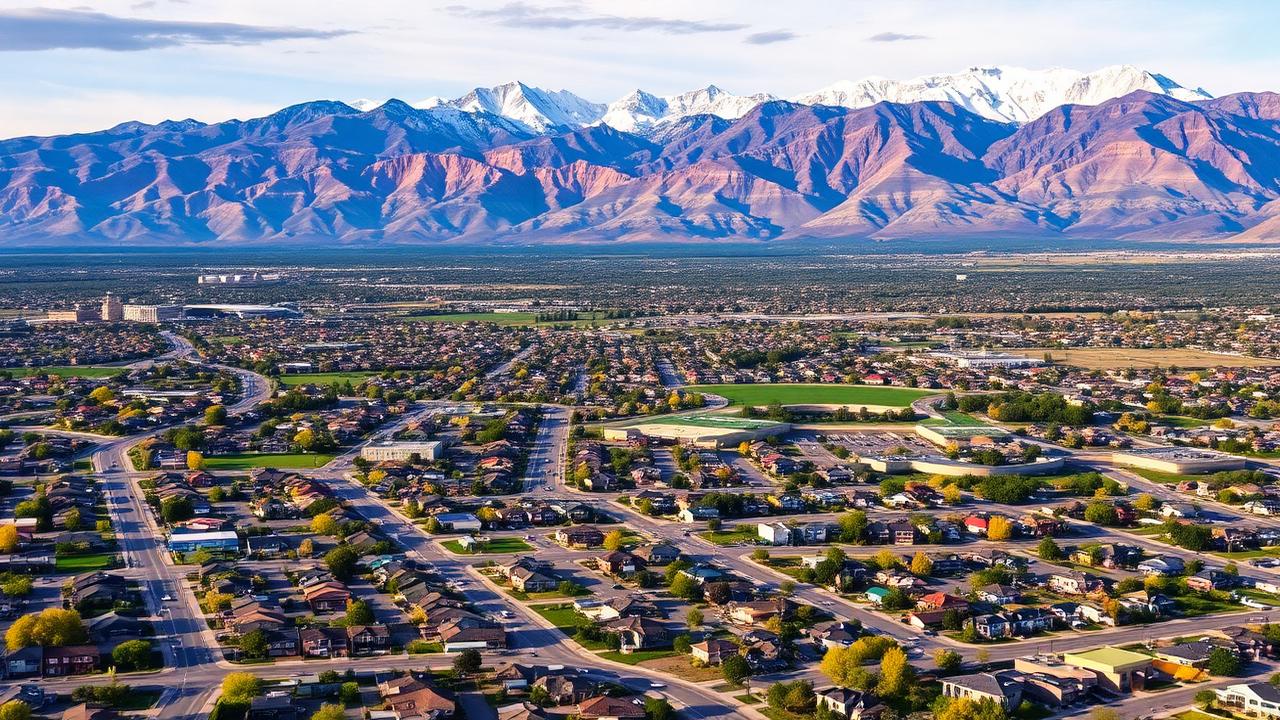
West Valley City's dense mix of older ramblers and newer townhomes turns over tenants constantly, dry Wasatch Front summers bring ants and spiders into every yard, and its position at the base of the Oquirrh Mountains adds seasonal rodent pressure. Our AI systems keep every call handled across this high-volume market.
Typical West Valley City implementation goes live in about 30-90 days.
A dense, diverse residential base at the edge of the Oquirrh Mountains keeps call volume high and varied.
West Valley City's dense apartment and rental housing stock means a steady flow of move-in and move-out pest inspection calls.
Long dry stretches send ants and spiders looking for moisture, keeping residential call volume high from spring through fall.
Neighborhoods closest to the mountains see mice and voles moving toward structures as temperatures drop in the foothills.
Established 1970s-era homes and newer higher-density builds both need service, requiring techs to adapt across very different structures.
We configure around rental turnover volume, dry-season insect calls, and foothill rodent pressure.
Voice AI answers around the clock so renters and landlords in West Valley City's dense housing stock get scheduled fast.
See Voice AIMessaging AI handles the scheduling volume when Wasatch Front dry spells push insect activity into homes.
See Messaging AIThe AI Sales System follows up on exclusion estimates from neighborhoods closest to the Oquirrh Mountains.
See the AI Sales SystemWant to see what this looks like against your own West Valley City call volume? We will walk through it on a 30-minute call.
Book a Discovery CallService areas from West Valley City out through Taylorsville, Kearns and West Jordan are configured during onboarding.
We have a deep, purpose-built FieldRoutes integration, and over 1,000 API connections available for everything else, so your West Valley City operation keeps one source of truth instead of four.
All third-party product names, logos, and brands are property of their respective owners. Use of these names does not imply endorsement or affiliation.
West Valley City operators work a dense, diverse market where rental turnover and dry-summer insect pressure keep call volume high. AI intake keeps that volume from overwhelming the phone.
Deciding whether AI is right for your business at all is a separate question from which market you are in. We answer it honestly, including when the answer is not yet, in our AI decision guides, starting with should I use AI in my pest control business.
West Valley City's dry Wasatch Front climate and dense mix of aging ramblers and new townhomes create distinct pest windows tied to irrigation, foothill temperature swings, and rental turnover. Crews that plan routes around these shifts stay ahead of the surge instead of playing catch-up.
As the Oquirrh Mountains foothills warm, mice that pushed into crawlspaces along Redwood Road and Chesterfield during winter cold snaps start venturing back out, leaving droppings and gnaw marks that trigger spring inspection calls. Older 1970s-era ramblers in Hunter and Granger with unsealed foundation vents see the earliest activity, since their construction predates modern rodent-proofing standards. Move-in inspections also pick up here as spring lease turnover begins across the area's dense rental stock.
Long dry stretches typical of the Wasatch Front push ants and spiders toward any moisture source, and West Valley City's heavily irrigated lawns and drip-line landscaping in newer townhome developments near Bangerter Highway become magnets for foraging colonies. Older ramblers with mature landscaping in Redwood and Chesterfield see especially high ant pressure as sprinkler overspray keeps foundation soil damp through the hottest months. Spider calls, particularly for hobo and wolf spiders common along the Wasatch Front, climb steadily as the dry heat pushes them indoors seeking shade and water.
As nighttime temperatures drop first in neighborhoods closest to the Oquirrh Mountains, mice and voles begin moving from open foothill terrain toward the nearest structures, concentrating pressure in western Hunter and Granger where development meets undeveloped foothill land. This window also lines up with fall rental turnover, so techs frequently handle move-out exclusion work and new-tenant rodent inspections on the same block within days of each other.
Once winter sets in along the Wasatch Front, rodents seeking shelter from the cold move aggressively into structures, and West Valley City's dense mix of older ramblers with aging weatherstripping and newer townhomes with shared walls both see elevated indoor rodent calls. Chesterfield's higher-density rental blocks generate the most volume, since mice moving into one unit's wall void can spread to adjoining townhomes quickly, and property managers overseeing several units at once often request coordinated exclusion visits rather than one at a time.
Occasional warm breaks in January along the Wasatch Front bring cluster flies and boxelder bugs out of hibernation inside older Hunter and Granger ramblers, where aging weatherstripping and unsealed attic vents let temperature swings reach overwintering insects sooner than in newer construction. Property managers overseeing Chesterfield's rental blocks use these mild spells to schedule preventive inspections before the busier spring move-in season begins, catching entry points while unit turnover is still relatively low.
The hottest stretches of July and August dry out soil across West Valley City except where mature trees and older sprinkler systems in Redwood and Chesterfield keep foundation-adjacent soil consistently damp, creating ideal subterranean termite conditions in 1970s-era ramblers with wood-to-soil contact. Termite swarms discovered indoors during this period generate urgent same-day inspection requests, since homeowners associate the sighting with structural risk more than with any other summer pest complaint.
West Valley City's grid of arterial roads, dense rental pockets, and foothill-to-valley elevation change reward tight route planning. Here's how that plays out for crews on the ground.
Bangerter Highway runs north-south through the western edge of the service area and Redwood Road handles the central corridor, and both see heavy congestion during Salt Lake Valley commute hours. Sequencing stops so techs travel along one corridor before crossing to the other, rather than zigzagging between Redwood Road and Bangerter multiple times a day, keeps drive time predictable even during peak traffic.
Moving between Hunter, Granger, and Chesterfield typically means crossing on 3500 South or 4700 South, both of which slow significantly near the Valley Fair Mall area and during school arrival and dismissal times. Building routes that avoid crossing these corridors twice in a single shift, and instead complete all stops on one side before moving over, cuts unnecessary backtracking.
Chesterfield and parts of Redwood carry some of the highest rental density in Salt Lake County, meaning move-in and move-out inspection requests often arrive in batches tied to the first of the month. Dispatchers who block out extra capacity in the final week and first week of each month, rather than spreading standard scheduling evenly, keep pace with the turnover spike without pushing routine customers to the back of the queue.
The May-through-August irrigation season pushes ant and spider call volume well above what a winter-sized crew can handle, especially with move-in inspections layered on top. Adding seasonal techs or shifting a rodent-exclusion specialist into general pest treatment during these months keeps response times reasonable across Hunter, Granger, and the newer Bangerter-corridor townhome developments.
Retail and entertainment venues surrounding the Maverik Center require service windows scheduled around event nights and business hours, which differ significantly from the flexible timing residential customers in Hunter and Granger typically accept. Building a separate commercial scheduling block, confirmed automatically through messaging AI, keeps technicians from showing up during a scheduled event when access is restricted.
Snow accumulation increases noticeably as routes move from the flatter Redwood corridor toward the Oquirrh foothill edge near Hunter and Granger, and a storm severe enough to close foothill streets can leave valley-floor routes unaffected while foothill stops need same-day rescheduling. Partners who text affected customers a rebooking option through AI systems handle this uneven weather impact without a full-office scramble.
West Valley City competes for technicians with neighboring Taylorsville, Kearns, and West Jordan, all of which serve similarly dense residential markets, so keeping daily routes efficient through corridors like Bangerter Highway and Redwood Road matters for retention as much as pay. A dispatch system that avoids unnecessary crossings between 3500 South and 4700 South keeps a technician's day predictable enough to stay competitive with nearby employers.
Owners managing several units within Chesterfield's dense rental blocks or across scattered Redwood addresses prefer one coordinated exclusion visit covering all affected units rather than separate service calls triggered by individual tenant complaints. Consolidating these under a single recurring agreement, with the AI Sales System tracking renewal and inspection timing across the portfolio, turns fragmented single-unit calls into one dependable multi-unit relationship.
More reading for operators working West Valley City, UT and the markets around it.
Location-specific guides written for the pest pressure, routes, and customer behavior of this market.
A short one-pager on the West Valley City market, the systems we build for operators here, and how implementation runs, written to be printed and passed around.
Last updated 2026-09-17
A 30-minute walkthrough against your own West Valley City call volume.
Book a Discovery CallTry the messaging AI that answers texts, webchat, and social for pest control teams.
Start a ChatUse our free pest control AI assistant today, no contract, no setup call.
Try PestGPT FreePull last quarter's move-in inspection requests. We'll show you how many got same-day scheduling.
The Utah guide covers statewide pest pressure, licensing and call patterns, and links every Utah city guide we publish, including this one.