
Jordan River Parkway corridor brings moisture-loving pests
Homes near the river's greenway see more mosquito and moisture-pest activity than neighborhoods further from the water.
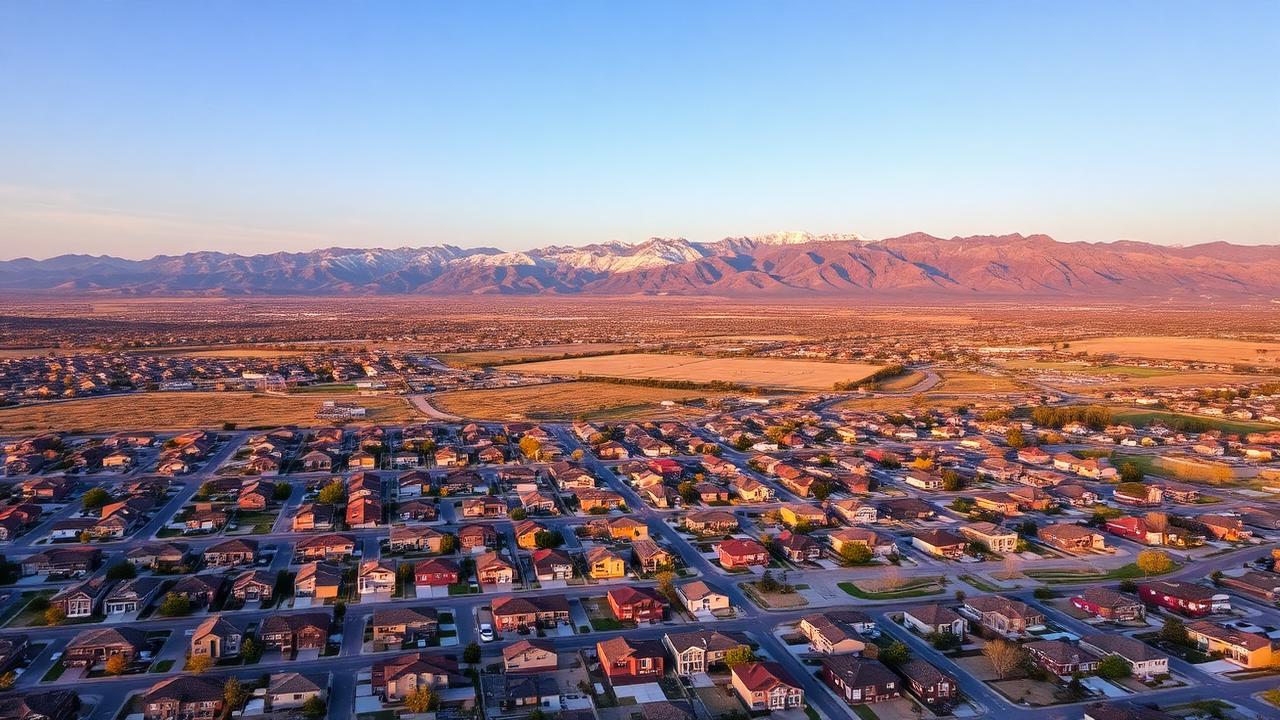
West Jordan keeps growing along the Jordan River corridor and the base of the Oquirrh Mountains, dry Salt Lake Valley summers keep ants and spiders active in every yard, and steady new construction brings a wave of first-time pest control customers. Our AI systems keep West Jordan's phones covered as the city keeps expanding.
Typical West Jordan implementation goes live in about 30-90 days.
A fast-growing suburb along a river corridor and mountain foothills creates steady demand for new and recurring service.
Homes near the river's greenway see more mosquito and moisture-pest activity than neighborhoods further from the water.
Development around Jordan Landing and southwest growth areas brings a steady stream of new-homeowner pest control inquiries.
Salt Lake Valley's long, dry summer stretches send insects looking for moisture inside homes across West Jordan.
Homes closest to the mountains deal with mice and voles moving toward structures as temperatures cool.
We configure around river-corridor pest calls, new-construction volume, and dry-summer insect demand.
Voice AI answers instantly so families in West Jordan's growing subdivisions get signed up before calling a competitor.
See Voice AIMessaging AI confirms scheduling for mosquito and moisture-pest calls near the Jordan River Parkway.
See Messaging AIThe AI Sales System follows up on estimates from new construction so growth converts into signed accounts.
See the AI Sales SystemWant to see what this looks like against your own West Jordan call volume? We will walk through it on a 30-minute call.
Book a Discovery CallService areas from West Jordan out through South Jordan, Riverton and Taylorsville are configured during onboarding.
We have a deep, purpose-built FieldRoutes integration, and over 1,000 API connections available for everything else, so your West Jordan operation keeps one source of truth instead of four.
All third-party product names, logos, and brands are property of their respective owners. Use of these names does not imply endorsement or affiliation.
West Jordan operators work a fast-growing suburban market along a river corridor and mountain foothills. AI intake keeps growth and seasonal pest demand from overwhelming the phone.
Deciding whether AI is right for your business at all is a separate question from which market you are in. We answer it honestly, including when the answer is not yet, in our AI decision guides, starting with should I use AI in my pest control business.
Salt Lake Valley's dry, high-altitude seasons combine with West Jordan's rapid growth to create a pest calendar shaped by both climate and construction timing.
Ants swarm in new-construction homes around Jordan Landing as fresh landscaping and irrigation systems create the moisture pockets colonies need, and first-time homeowners often call about activity they have never dealt with before. Overwintering boxelder bugs emerge from wall voids in older Copper Hills and Welby homes, clustering on sun-facing exteriors before working indoors. Foothill-adjacent properties near the Oquirrh Mountains see early rodent activity as mice that wintered indoors begin foraging again.
Spiders, including black widows, become more active around West Jordan's rock landscaping, woodpiles and detached garages as the dry Salt Lake Valley summer stretches on, with the heaviest volume in southwest growth areas where new xeriscaping and retaining walls provide ideal shelter. Ants move indoors aggressively during the driest weeks as outdoor moisture disappears entirely. Jordan River Parkway-adjacent homes see continued mosquito pressure from the greenway's slow-moving water.
Boxelder bugs return in force, clustering on the sunny sides of homes across Copper Hills and Welby as boxelder and maple trees along the Jordan River Parkway drop seed pods, working toward attic and wall-void entry points ahead of winter. Crickets and other overwintering pests follow a similar pattern into foundation gaps, especially in the older, established sections of West Jordan closer to Redwood Road.
Mice and voles move toward structures as Oquirrh foothill temperatures drop, with foothill-adjacent neighborhoods on the western edge of West Jordan seeing the heaviest pressure as mountain wildlife corridors funnel rodents toward warm homes. New-construction areas around Jordan Landing also see winter rodent calls for the first time as first-year homeowners discover gaps around still-settling foundations, generating a distinct new-homeowner education need that older neighborhoods do not.
Brief warm-ups during January and February along the Wasatch Front wake overwintering spiders and cluster flies inside older Copper Hills and Welby homes, especially those with unsealed crawlspace vents typical of 1970s and 1980s construction. These early-season sightings often surprise new West Jordan homeowners who assume winter means no pest activity at all. Crews use this window to schedule early inspections ahead of the busier spring ant season, particularly at properties already flagged for foundation gaps.
West Jordan's expanding subdivisions rely heavily on secondary irrigation water through July and August, and overspray along curb lines in newer developments near Jordan Landing keeps foundation soil damp even during the driest Salt Lake Valley stretches. This artificial moisture draws earwigs and pillbugs to entryways in numbers that outpace naturally dry older neighborhoods closer to Redwood Road. Partners who track irrigation schedules alongside weather can anticipate these localized moisture-pest surges before residents call.
West Jordan's fast growth along Bangerter Highway means routing has to account for a service area that is measurably bigger than it was two years ago.
Bangerter Highway and the Mountain View Corridor are the two fastest north-south connectors through West Jordan's growth areas, and a route that relies on Redwood Road surface streets instead loses meaningful time compared to using these corridors, especially between Jordan Landing and the southern growth areas near South Jordan and Riverton.
Growth around Jordan Landing and the southwest edge of the city is fast enough that a route plan from even a year ago may not match today's street layout, and dispatch needs current address and access data at booking rather than relying on an outdated map. First-time customers in these areas also typically need a longer initial visit to explain service, which changes how many stops realistically fit into a day.
Properties on the western, foothill-adjacent edge of West Jordan often have larger lots and more complex rodent and wildlife entry points than flatter, denser subdivisions closer to the Jordan River, and scheduling these visits with a standard suburban time window understaffs the exclusion work they typically require.
Several at-grade TRAX light rail crossings run through West Jordan, and a route that crosses the tracks during train intervals can lose several minutes waiting at a gate, which adds up across a day with multiple crossings. Dispatch factors these crossings into estimated drive times rather than assuming a clear road.
Retail centers and restaurants in the Jordan Landing shopping district require before-open or after-close service windows tied to health-code compliance, distinct from the flexible timing residential customers accept. Treating these commercial stops as a separate scheduling block, with messaging AI confirming visit completion for property managers, avoids the conflict of a technician arriving during peak retail hours.
Snow rolling down from the Oquirrh Mountains can close roads in the foothill-adjacent western neighborhoods faster than it affects the flatter eastern parts of West Jordan near the Jordan River, forcing same-day cancellations for an entire route segment. Operators who use AI systems to text affected partners a rebooking option same-day recover those lost appointments faster than manual phone calls the next morning.
West Jordan pulls technicians from the same labor pool as South Jordan, Riverton and Herriman, all of which are growing simultaneously, so retention depends on keeping daily routes tightly clustered rather than sending techs back and forth across Bangerter Highway repeatedly. A dispatch system that respects growth-area boundaries keeps a technician's day efficient enough to compete with nearby employers for the same talent.
Newer townhome and planned-unit developments near Jordan Landing are often HOA-governed and want a single recurring pest contract covering common areas and consistent per-unit service rather than piecemeal individual calls. Structuring these accounts as one HOA relationship, with the AI Sales System tracking renewal dates, turns a scattered set of new-homeowner inquiries into one dependable recurring contract.
More reading for operators working West Jordan, UT and the markets around it.
Location-specific guides written for the pest pressure, routes, and customer behavior of this market.
A short one-pager on the West Jordan market, the systems we build for operators here, and how implementation runs, written to be printed and passed around.
Last updated 2026-09-17
Try the messaging AI that answers texts, webchat, and social for pest control teams.
Start a ChatUse our free pest control AI assistant today, no contract, no setup call.
Try PestGPT FreePull the last quarter of inquiries from West Jordan's growth areas. We'll show you how many got a same-day response.
The Utah guide covers statewide pest pressure, licensing and call patterns, and links every Utah city guide we publish, including this one.