
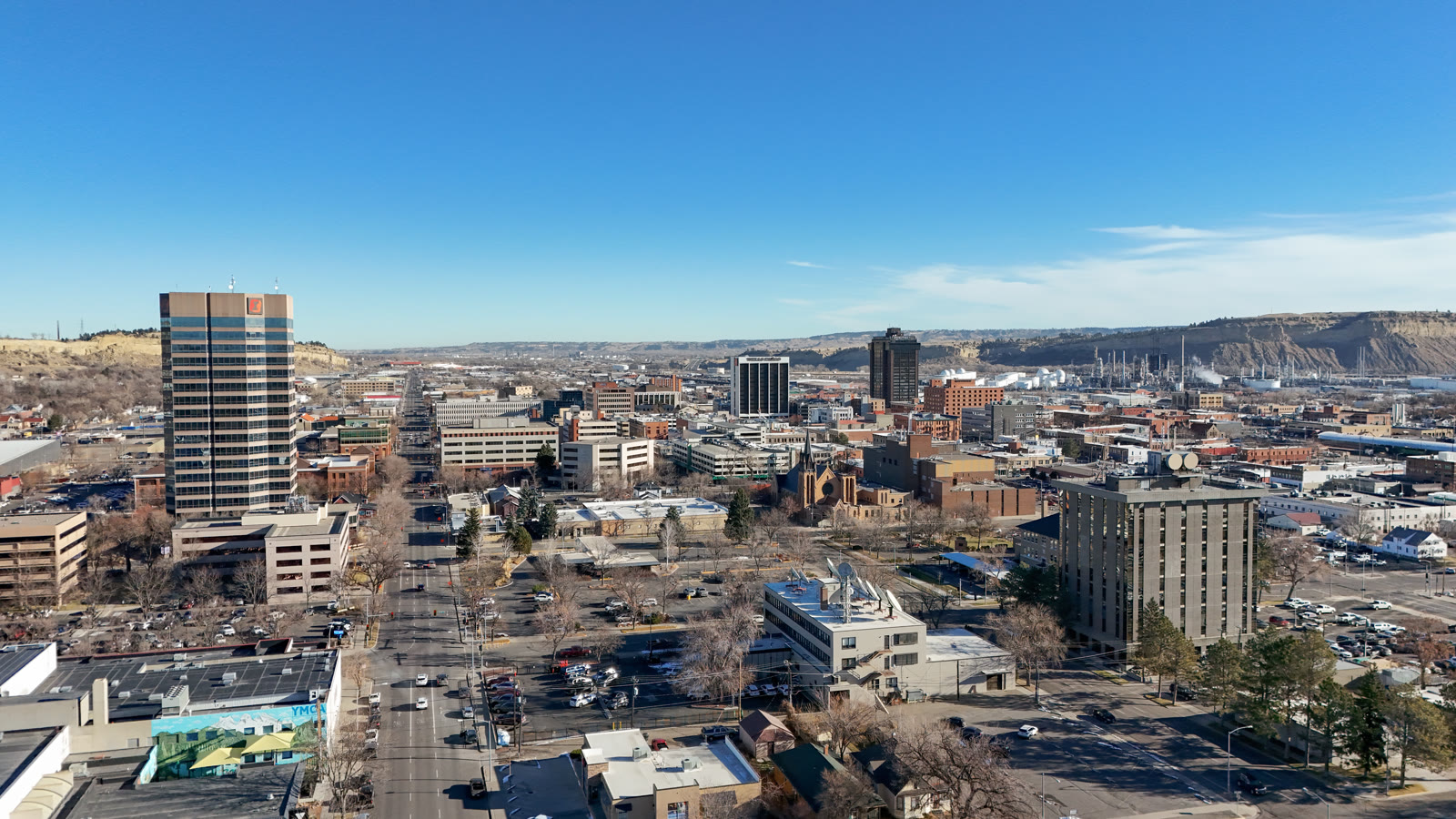
Sandstone Rimrocks bluffs overlooking downtown Billings, Montana
    Billings, Montana

    Pest Control Software Built for Billings Operators

    Boxelder bugs stacking up on south-facing walls below the Rimrocks, mice pushing into foundations as soon as the first hard frost hits the Yellowstone River valley, and a refinery and rail workforce that calls before 7am and after 6pm. We build the AI systems that never miss that window.

    Typical Billings implementation goes live in about 30-90 days.

    Why Billings pest work runs on a harsh continental clock

    Montana's biggest city sits in a river valley ringed by sandstone bluffs, and that geography plus a brutal freeze-thaw cycle shapes almost every call operators get.

    Boxelder bugs mob south- and west-facing walls every fall

    Neighborhoods tucked against the Rimrocks and the West End see boxelder bug swarms every September and October as the insects seek warmth before winter, generating a predictable but overwhelming call spike each year.

    Freeze-thaw cycles push mice and voles into homes overnight

    When temperatures swing from 50 degrees to well below zero within days, as they routinely do in the Yellowstone valley, rodents move into crawl spaces and garages in the Heights and Lockwood almost overnight, and homeowners expect same-week service.

    Refinery and rail shift workers call outside normal hours

    With two oil refineries and a major BNSF rail yard running around the clock, a large share of Billings homeowners work overnight or swing shifts, and they call to schedule pest service at 5am or 9pm when a typical office is closed.

    Irrigated hay ground and feedlots on the outskirts breed flies and rodents

    Properties bordering irrigated farmland and feedlots east of the city toward Huntley deal with fly pressure in summer and field mice migrating indoors in fall, a rural-urban interface problem that a purely residential route plan does not anticipate.

    Downtown's brick warehouse district holds moisture and old mortar gaps

    The century-old brick buildings along Montana Avenue and the historic warehouse district have settled mortar joints and basement moisture that draw sowbugs, silverfish, and the occasional rat problem tenants only notice once inventory turns up chewed.

    Yellowstone County ag fairs and rodeo season concentrate wasp complaints

    MetraPark's summer rodeo and fair schedule packs concessions and livestock barns with food waste that draws yellowjackets and wasps, and vendors expect a same-day response since a sting complaint during an event can turn into a liability conversation fast.

    What we build for you

    What that means for your phones and your crews

    We configure around a market where shift workers call at odd hours and a fall boxelder spike can double your call volume in two weeks.

    Answer refinery and rail shift-worker calls at 5am

    Voice AI answers every call around the clock, so a rail worker calling before a 6am shift or a refinery employee calling after an overnight rotation gets booked instead of sent to voicemail.

    See Voice AI

    Handle the fall boxelder bug surge without burning out your office

    Messaging AI fields the flood of texts and photos from homeowners in Rimrocks-adjacent neighborhoods each October, triaging routine exterior treatments from calls that need a same-day visit.

    See Messaging AI

    Convert one-time rodent exclusion jobs into annual contracts

    The AI Sales System follows up automatically with homeowners who called about a single mouse problem, offering annual exclusion agreements ahead of the next freeze-thaw cycle.

    See the AI Sales System

    Want to see what this looks like against your own Billings call volume? We will walk through it on a 30-minute call.

    Book a Discovery Call

    Operators across the Billings area

    Service areas across Billings and the surrounding Yellowstone County communities are configured during onboarding.

    • Billings
    • Lockwood
    • Laurel
    • Huntley
    • Shepherd
    • the Heights

    Connected to the software you already run

    We have a deep, purpose-built FieldRoutes integration, and over 1,000 API connections available for everything else, so your Billings operation keeps one source of truth instead of four.

    All third-party product names, logos, and brands are property of their respective owners. Use of these names does not imply endorsement or affiliation.

    What AI adoption looks like in Billings

    Billings runs on an industrial and agricultural schedule that most residential pest routes are not built around, with refinery shifts, rail crews, and ranch work all generating calls outside a normal 8-to-5 window. Operators who can answer at 5am and again during the October boxelder rush win accounts that a typical office simply cannot staff for.

    • Boxelder bugs swarm Rimrocks-facing homes every September and October
    • Rapid freeze-thaw swings push rodents indoors with little warning
    • Refinery and BNSF rail shift schedules generate off-hours call volume
    • Feedlots and irrigated farmland on the city edge bring rural pest pressure into town

    Deciding whether AI is right for your business at all is a separate question from which market you are in. We answer it honestly, including when the answer is not yet, in our AI decision guides, starting with should I use AI in my pest control business.

    Billings' pest calendar: bluffs, valley, and the refinery clock

    The Yellowstone valley's wide temperature swings, the Rimrocks' south-facing exposure, and the rodeo-and-fair calendar at MetraPark each drive a distinct wave of calls through the year.

    September - October

    Boxelder bugs and cluster flies mob the sandstone faces of the Rimrocks and any south- or west-facing siding in the Heights and West End, crowding onto warm walls by the hundreds before pushing indoors through window frames and eaves. This is the single busiest call window most Billings operators see all year.

    November - December

    The first hard freeze off the Yellowstone valley sends deer mice and voles scrambling for garages, sheds, and crawl spaces across Lockwood and the Heights within days, not weeks. Calls come in urgent, since homeowners often hear scratching in walls before they see any droppings.

    January - February

    Sub-zero cold snaps push rodents already inside further into wall voids and attic insulation seeking heat, while feedlot and farmstead mice around Huntley and Shepherd press into outbuildings. Icy roads on the Rims and along Highway 3 slow rural response times during the worst stretches.

    March - April

    Snowmelt off the Rimrocks and along the Yellowstone River raises basement humidity in older homes near Pioneer Park and the South Side, waking up sowbugs and spiders. Overwintering boxelder bugs still trapped indoors reappear on sunny days before finally dying off.

    May - June

    Irrigated hay ground and pasture east toward Huntley starts producing flies as cattle move to summer grazing, and ant colonies in newer West End yards become active as soil warms. Wasps begin scouting eaves and machine sheds for early nest sites.

    July - August

    MetraPark's summer rodeo, fair, and concert schedule concentrates food waste that draws yellowjackets and wasps into concession areas and livestock barns, and vendors expect a fast response given the public-safety angle. Refinery and rail shift schedules keep after-hours call volume elevated straight through the heat.

    Running crews across Billings and the Yellowstone valley

    Billings crews work a compact urban core against the Rims, a fast-growing Heights and Lockwood corridor, and farmland stretching out toward Huntley and Shepherd, and dispatch has to account for very different terrain within the same day.

    The Rims split the city into two travel patterns

    Getting from the West End up to the Heights means either the Zoo Drive switchbacks or a longer loop around via Main Street, and a job scheduled without accounting for that climb can blow a tight afternoon window.

    Refinery and rail shift changes create call spikes at odd hours

    The ExxonMobil and Phillips 66 refineries plus the BNSF rail yard run three shifts, and crews who can offer early-morning or evening appointment slots around 6am and 7pm capture bookings competitors with standard 8-to-5 hours miss entirely.

    Lockwood and Huntley routes run on I-90 and Highway 87

    Rural and exurban stops east of the city toward Huntley add real drive time along I-90, so those appointments get grouped together rather than interspersed with in-town West End or Heights stops.

    MetraPark event weeks require standby staffing

    During the MontanaFair and major rodeo weekends, vendors and livestock barn managers expect rapid wasp and fly response, so some operators keep a technician on standby near MetraPark rather than dispatching from across town.

    Historic downtown buildings need specialized access coordination

    Commercial accounts in the Montana Avenue warehouse district often require coordinating with building managers for basement and crawl access in century-old structures, adding scheduling steps a standard residential job does not have.

    Winter road conditions on the Rims and rural highways slow rural runs

    Ice on the switchbacks up to the Heights and snowpack on Highway 3 toward Shepherd routinely add real time to a route in December and January, so many operators front-load the farthest rural stops early in the day before conditions worsen.

    Billings pest control questions we get asked

    Billings AI guides

    Location-specific guides written for the pest pressure, routes, and customer behavior of this market.

    Billings overview
    Free 48 KB PDF

    Download the Billings, MT Pest Control AI Playbook

    A short one-pager on the Billings market, the systems we build for operators here, and how implementation runs, written to be printed and passed around.

    • A Billings market snapshot, the pressure that drives your call volume
    • The AI systems we run for operators here, in plain language
    • What a 30-day implementation actually looks like
    • Printable, so you can hand it to your office team

    Last updated 2026-09-17

    Loading the Billings playbook form

    Three ways to see it working in Billings

    Book a demo

    A 30-minute walkthrough against your own Billings call volume.

    Book a Discovery Call

    Start a chat

    Try the messaging AI that answers texts, webchat, and social for pest control teams.

    Start a Chat

    Start free with PestGPT

    Use our free pest control AI assistant today, no contract, no setup call.

    Try PestGPT Free
    Final step

    Let's look at your shift-hour call gaps

    Pull your call logs from the last hard freeze in Billings. We can show you how many after-hours calls from Heights and Lockwood homeowners went unanswered.

    • A real review of your intake, not a canned demo
    • 30 minutes, and a typical implementation runs about 30-90 days
    • No contract to talk. We never share your details.

    Request your Billings walkthrough

    Prefer to pick a time yourself? Book a Discovery Call