
Mountain-adjacent rodents push into homes early
As temperatures drop in the Bridgers and Gallatin Range, deer mice and voles move toward foothill neighborhoods well before winter officially arrives.
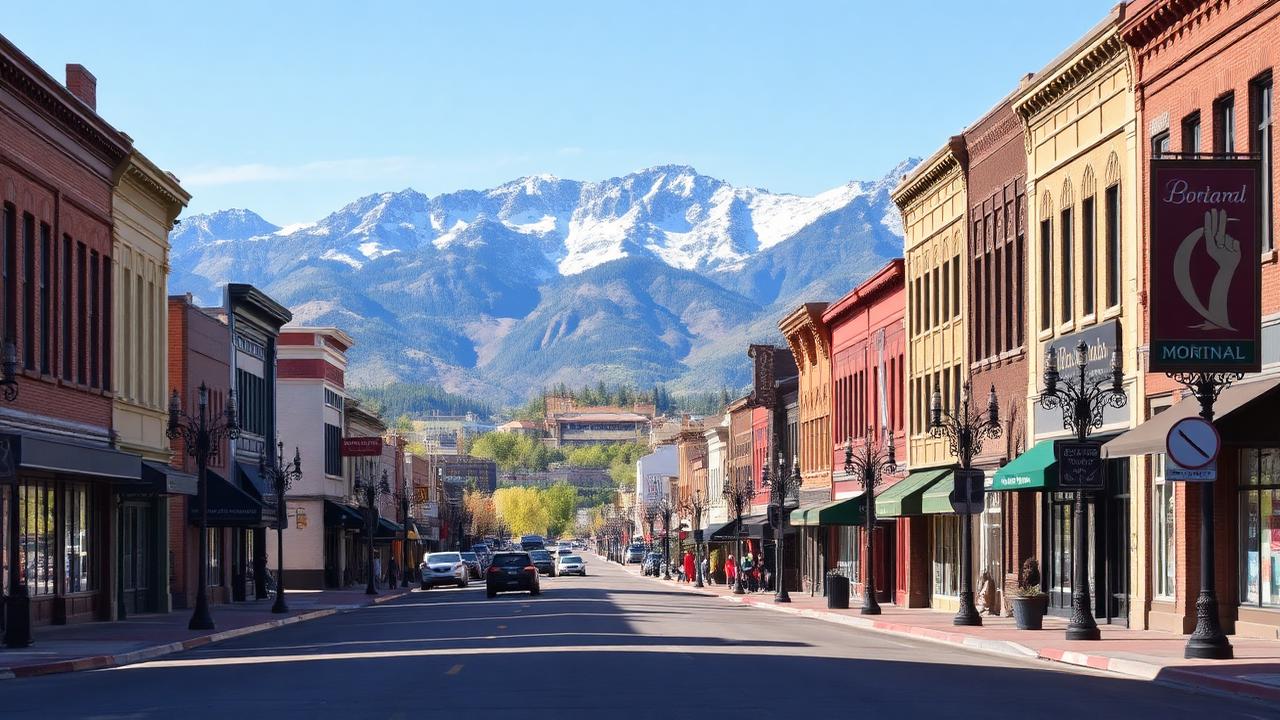
Bozeman's boom in new construction keeps adding accounts across the valley, mountain-adjacent rodents push into homes as the Bridgers cool early, and a short but intense summer packs a full season of wasps and ants into a few months. Our AI systems keep the phones covered while your crews chase daylight.
Typical Bozeman implementation goes live in about 30-90 days.
A mountain valley climate and a booming population compress pest pressure into a short, intense window.
As temperatures drop in the Bridgers and Gallatin Range, deer mice and voles move toward foothill neighborhoods well before winter officially arrives.
New subdivisions off Baxter Lane and in the Bozeman Creek corridor bring a steady flow of first-time pest control customers.
Bozeman's brief warm season packs wasps, ants and box elder bugs into a few intense months, straining scheduling capacity.
A mix of established neighborhoods and new construction means techs handle very different structures across the same service day.
We configure around fall rodent intrusion, compressed summer volume, and rapid growth in new accounts.
Voice AI answers around the clock as mountain-adjacent rodent pressure builds early in the season, before crews can catch up.
See Voice AIMessaging AI confirms and reschedules appointments quickly during Bozeman's short but packed wasp and ant season.
See Messaging AIThe AI Sales System follows up on estimates from Bozeman's fast-growing neighborhoods so growth converts to signed contracts.
See the AI Sales SystemWant to see what this looks like against your own Bozeman call volume? We will walk through it on a 30-minute call.
Book a Discovery CallService areas from Bozeman out through Belgrade and Big Sky are configured during onboarding.
We have a deep, purpose-built FieldRoutes integration, and over 1,000 API connections available for everything else, so your Bozeman operation keeps one source of truth instead of four.
All third-party product names, logos, and brands are property of their respective owners. Use of these names does not imply endorsement or affiliation.
Bozeman operators work a mountain valley market where growth is fast and the pest season is short and intense. AI intake keeps both from overwhelming the phone.
Deciding whether AI is right for your business at all is a separate question from which market you are in. We answer it honestly, including when the answer is not yet, in our AI decision guides, starting with should I use AI in my pest control business.
A short growing season and an early mountain chill compress Bozeman's pest calendar into a few intense stretches rather than a slow ramp. Rodent pressure from the Bridgers and Gallatin Range often arrives before crews expect it.
As snowpack recedes off the Bridgers, homeowners in foothill neighborhoods near Sourdough Canyon and Peets Hill discover deer mice and vole damage in crawlspaces and garages that went unnoticed all winter. Warming soil brings early carpenter ant activity in older homes near Bozeman Creek and the historic districts around Main Street. Spring runoff also drives moisture into basements, adding occasional invader calls to a season that is already busy with post-winter exclusion work.
Bozeman's brief true summer packs a full pest season into ten or eleven weeks, with paper wasps building nests under eaves in new subdivisions off Baxter Lane and Cattail Creek, and box elder bugs swarming south-facing walls near Four Corners as temperatures spike. Ants push into homes throughout the Gallatin Valley chasing moisture from irrigation, and calls arrive in bursts tied to warm-weather weekends when homeowners are outside noticing activity. Scheduling has to move fast because the entire season is a fraction of what warmer markets get.
Nighttime temperatures in the Bridgers and Gallatin Range drop well before valley floor weather changes, pushing deer mice, voles, and occasional shrews toward foothill homes near Sourdough and the south side of town weeks ahead of the calendar. This early start means operators who staff up for rodent season in October, on a normal cold-weather schedule, are already behind. New subdivisions finishing construction along the valley also generate a wave of first-time customer sign-ups as families settle in before winter.
Deep valley cold keeps deer mice and voles pressing into any home with an unsealed sill plate or utility penetration, especially older ranch-style houses near downtown Bozeman with less modern insulation than newer builds. Rural properties toward Belgrade and Four Corners see barn and outbuilding rodent activity as agricultural structures offer easier entry than tightly sealed newer homes. Call volume stays elevated through midwinter compared to warmer climates, since rodents pressing indoors have nowhere else to go once mountain snowpack sets in.
Bozeman's rapid growth means routes drawn six months ago may already be outdated, with new subdivisions filling in gaps between downtown and Four Corners. Crews need routing that adapts as fast as the valley does.
New subdivisions along Baxter Lane and in the Cattail Creek area add accounts weekly, often close enough together that a single afternoon can cover several new-customer stops without much drive time. Dispatch needs to re-check route groupings regularly since a corridor that had two stops last quarter may have a dozen by summer.
Homes near Sourdough Canyon and Peets Hill sit on narrower, steeper roads than the grid streets downtown, adding real minutes to stops during fall rodent season when foothill properties see pressure first. Crews that front-load foothill stops earlier in the rodent season, before valley-floor calls pick up, avoid a late scramble once both areas are calling at once.
A downtown route might include a decades-old ranch home with an unsealed foundation near Main Street right before a stop at a brand-new build near Four Corners with tighter but different entry points around utility lines. Crews carry both traditional exclusion materials and newer sealants to handle whichever structure type comes up next.
Because Bozeman's usable pest season is compressed into a few months and rodent pressure starts early as mountain temperatures drop, operators who bring on seasonal help in September rather than the traditional October start capture calls that would otherwise go to a competitor who answers faster.
More reading for operators working Bozeman, MT and the markets around it.
Location-specific guides written for the pest pressure, routes, and customer behavior of this market.
A short one-pager on the Bozeman market, the systems we build for operators here, and how implementation runs, written to be printed and passed around.
Last updated 2026-09-17
Try the messaging AI that answers texts, webchat, and social for pest control teams.
Start a ChatUse our free pest control AI assistant today, no contract, no setup call.
Try PestGPT FreePull last September and October. We'll show you how many rodent calls came in before your crews were staffed up for it.
The Montana guide covers statewide pest pressure, licensing and call patterns, and links every Montana city guide we publish, including this one.