
Grain country pushes rodents toward town every fall
Farmland surrounding Great Falls sends mice and voles seeking shelter as harvest wraps up and temperatures drop, driving fall call volume.
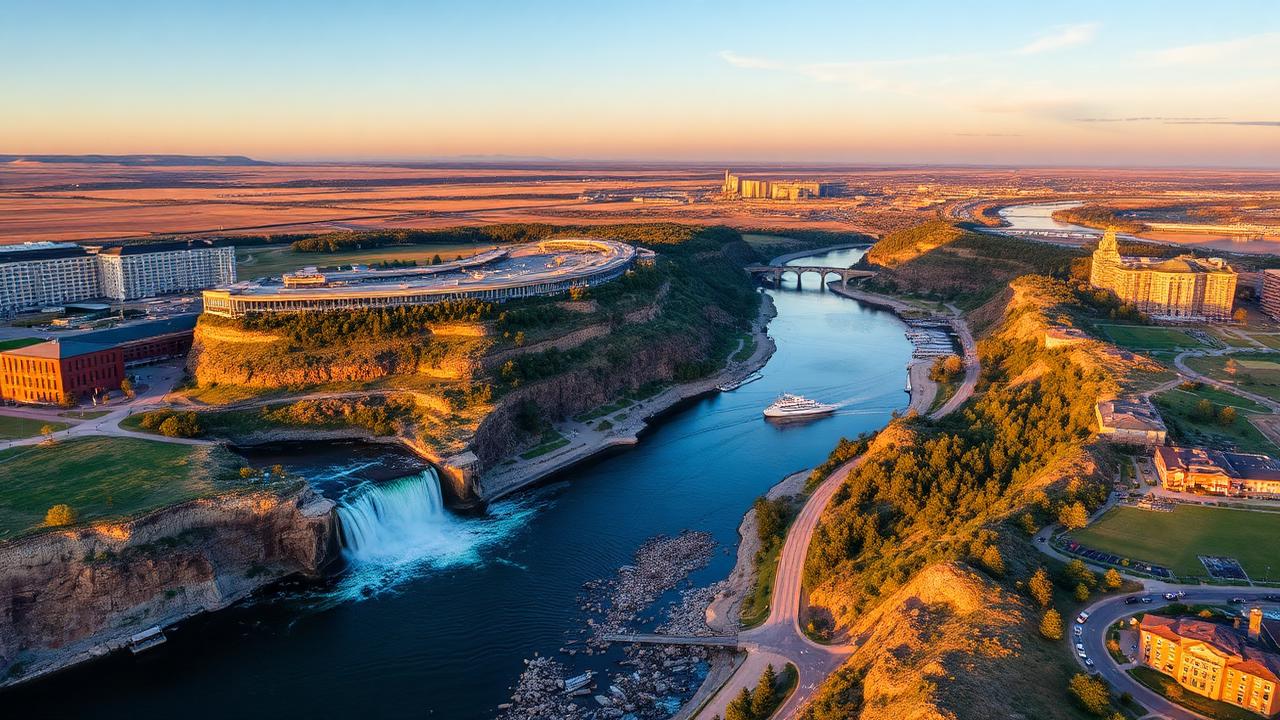
Great Falls sits where the plains meet the Missouri River, and the surrounding grain country pushes mice and voles toward town every fall, harsh Montana winters drive rodent calls hard for months, and the near-constant wind shapes how pests move around structures. Our AI systems keep the phones answered through the coldest stretch of the year.
Typical Great Falls implementation goes live in about 30-90 days.
A plains and river-valley setting surrounded by grain agriculture, a resident Air Force base, and one of the longer winters in the Lower 48 keeps rodent pressure high through most of the calendar year.
Farmland surrounding Great Falls sends mice and voles seeking shelter as harvest wraps up and temperatures drop, driving fall call volume.
Cascade County's long, cold winters mean rodent intrusion calls stay steady well past when milder markets would slow down.
The region's persistent wind affects how insects and rodents seek shelter, and homeowners often connect wind events to sudden pest activity.
Established housing stock close to the Missouri River deals with steady ant, spider and rodent pressure tied to the river corridor.
Military and civilian housing connected to Malmstrom Air Force Base turns over on a schedule tied to duty assignments rather than the local growing season, giving operators a customer segment that does not slow down the way agricultural-adjacent demand does in the depths of winter.
Homes near open fields and grassland at the edge of town see heavy fall cluster fly and boxelder bug activity as the insects seek any gap in siding or trim to overwinter, generating a wave of exclusion calls before the first hard freeze.
We configure around fall rodent surges, a long winter intrusion season, and steady agricultural-edge demand.
Voice AI answers around the clock as grain-belt rodents move toward Great Falls neighborhoods with the harvest and cold.
See Voice AIMessaging AI confirms and reschedules exclusion and trapping appointments through Cascade County's extended cold season.
See Messaging AIThe AI Sales System follows up on estimates so winter-driven rodent leads convert to signed service agreements.
See the AI Sales SystemMessaging AI can manage recurring service reminders for military and civilian housing tied to the base, a customer base that stays steadier through winter than agricultural-adjacent neighborhoods.
See Messaging AIWant to see what this looks like against your own Great Falls call volume? We will walk through it on a 30-minute call.
Book a Discovery CallService areas from Great Falls out through Black Eagle and surrounding grain country are configured during onboarding.
We have a deep, purpose-built FieldRoutes integration, and over 1,000 API connections available for everything else, so your Great Falls operation keeps one source of truth instead of four.
All third-party product names, logos, and brands are property of their respective owners. Use of these names does not imply endorsement or affiliation.
Great Falls operators work a plains and river-valley market where grain agriculture, a Malmstrom Air Force Base population, and long winters keep rodent pressure high for months. AI intake keeps the season from overwhelming the phone, while steady base-connected accounts smooth out the slow stretches between harvest and spring thaw.
Deciding whether AI is right for your business at all is a separate question from which market you are in. We answer it honestly, including when the answer is not yet, in our AI decision guides, starting with should I use AI in my pest control business.
A short growing season bookended by long winters compresses most of Great Falls' pest activity into a tight window, while rodent pressure runs nearly year-round.
As the ground thaws, overwintering ants and spiders that spent the winter in wall voids and foundation cracks around older Southside and West Bank homes start showing up indoors again.
Grain-belt fieldwork ramps up around Cascade County, and voles and mice displaced by tilling and planting begin testing the edges of town, especially in neighborhoods bordering open farmland.
The short, hot Montana summer brings the year's main wasp and hornet season, with nests common in eaves and outbuildings across both older River Drive neighborhoods and newer subdivisions.
Harvest wraps up across the surrounding grain country, and the season's biggest rodent push begins as mice and voles lose field cover and move toward homes on the edges of Great Falls.
Cascade County's long, cold winter drives rodents solidly indoors, with calls steady from established Southside homes and newer construction alike through the coldest months of the year.
Great Falls' persistent and sometimes severe wind events can drive sudden upticks in calls, as homeowners connect storm damage or new gaps in siding and trim to sudden pest entry.
Great Falls' compact core, spread-out newer neighborhoods, and outlying agricultural properties mean routing has to handle both short in-town hops and longer rural drives.
Routes crossing Great Falls typically run along 10th Avenue South or River Drive, and winter ice on these corridors can slow travel more than the mileage alone would suggest.
Customers on acreage bordering the grain country surrounding Great Falls can be 20-30 minutes from the city core, so those stops are usually grouped into dedicated blocks rather than mixed into in-town routes.
Great Falls' frequent high-wind days can make certain exterior treatments impractical, so crews build in flexibility to shift outdoor work to calmer parts of the day or a different day entirely.
Established areas near Southside and the West Bank with more mature tree cover can hold ice longer than newer, more open subdivisions, so winter routing sometimes prioritizes those stops once roads have had time to clear.
Properties in and around Black Eagle tied to the area's smelting and rail history sometimes have older structures with unique access points, which techs account for during initial inspections.
During harvest, grain truck traffic on roads leading out of Great Falls can slow rural service calls, so crews scheduling agricultural-adjacent stops build in extra time during peak harvest weeks.
Housing and businesses connected to Malmstrom Air Force Base bring a steady, less seasonal customer base compared to the surrounding agricultural economy, which helps smooth out winter slowdowns.
Homes closer to the Missouri River tend to report more consistent ant and spider activity tied to nearby moisture, regardless of season, compared to homes further from the river.
More reading for operators working Great Falls, MT and the markets around it.
Location-specific guides written for the pest pressure, routes, and customer behavior of this market.
A short one-pager on the Great Falls market, the systems we build for operators here, and how implementation runs, written to be printed and passed around.
Last updated 2026-09-17
Try the messaging AI that answers texts, webchat, and social for pest control teams.
Start a ChatUse our free pest control AI assistant today, no contract, no setup call.
Try PestGPT FreePull last November through March, plus your Malmstrom-connected accounts. We'll show you how many rodent calls came in after hours during the coldest stretch, and how steady the base-tied business kept your schedule.
The Montana guide covers statewide pest pressure, licensing and call patterns, and links every Montana city guide we publish, including this one.