
High elevation brings cold, and rodents, early
At over 5,500 feet, Butte's cold arrives ahead of lower-elevation Montana towns, pushing mice and rats indoors sooner each fall.
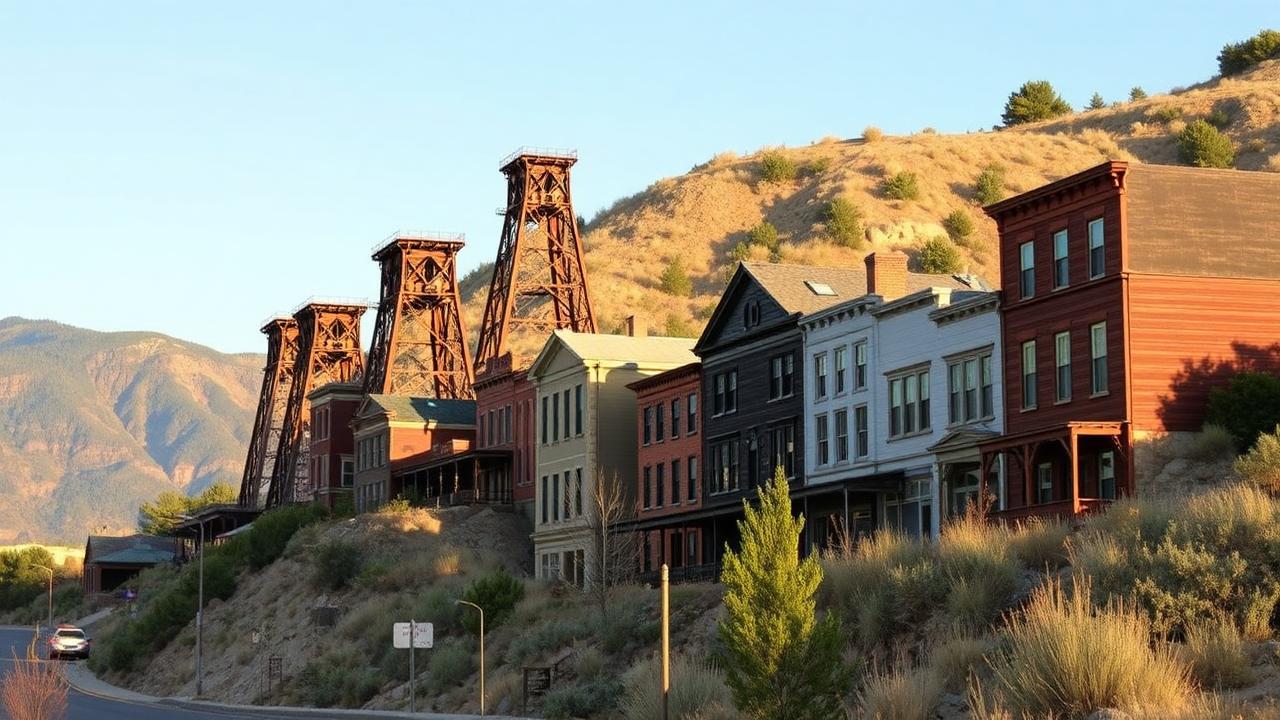
Butte's historic mining-era housing sits at over a mile of elevation, where cold comes early and rodents move indoors fast, uptown's brick buildings and old residential streets bring steady structural pest work, and a short warm season means summer insect calls arrive all at once. Our AI systems keep the phones covered through Butte's compressed calendar.
Typical Butte implementation goes live in about 30-90 days.
A high-altitude former mining town with century-old housing creates distinct rodent and seasonal pest patterns.
At over 5,500 feet, Butte's cold arrives ahead of lower-elevation Montana towns, pushing mice and rats indoors sooner each fall.
Century-old mining-era buildings uptown have unique access points and construction that require experienced rodent and insect exclusion work.
Butte's brief warm stretch means ant, wasp and spider calls arrive in a tight window, straining scheduling capacity.
Streets built during the mining boom have aging foundations and construction that keep pest pressure steady year to year.
Uptown properties sitting near old mine shafts and subsidence zones around the Berkeley Pit sometimes have unusual foundation gaps and utility tunnels that give rodents unusually direct routes into basements, requiring a different exclusion approach than a standard slab home.
Butte's exposed ridgeline location catches strong autumn winds off the Continental Divide, and cluster flies riding those gusts pile up on warm south-facing brick uptown and on East Ridge homes looking for any gap to overwinter in.
We configure around early-onset rodent season, historic-building structural work, and compressed summer volume.
Voice AI answers around the clock as Butte's high elevation brings cold, and rodent pressure, earlier than the rest of Montana.
See Voice AIMessaging AI confirms access and scheduling details for uptown's brick buildings and older residential structures.
See Messaging AIThe AI Sales System tracks leads and estimates through Butte's short but busy insect season so nothing slips through.
See the AI Sales SystemWant to see what this looks like against your own Butte call volume? We will walk through it on a 30-minute call.
Book a Discovery CallService areas from Butte out through Walkerville and surrounding communities are configured during onboarding.
We have a deep, purpose-built FieldRoutes integration, and over 1,000 API connections available for everything else, so your Butte operation keeps one source of truth instead of four.
All third-party product names, logos, and brands are property of their respective owners. Use of these names does not imply endorsement or affiliation.
Butte operators work a high-altitude market shaped by historic mining-era housing and a short, intense pest season. AI intake keeps early rodent pressure and summer volume from overwhelming the phone.
Deciding whether AI is right for your business at all is a separate question from which market you are in. We answer it honestly, including when the answer is not yet, in our AI decision guides, starting with should I use AI in my pest control business.
Sitting above 5,500 feet on the Continental Divide, Butte runs a pest calendar compressed by elevation, with cold arriving early and the warm season closing just as fast.
The first hard frost typically arrives weeks ahead of lower-elevation Montana towns, sending mice toward uptown's historic brick buildings and the older residential streets around Centerville well before most regional operators expect rodent season to start.
Continental Divide winds pick up as winter sets in, pushing cluster flies that gathered on south-facing walls in October deeper into attic spaces, and consistent snow cover locks most outdoor pest activity down for the season.
Deep cold keeps activity almost entirely indoors, with mice already settled into century-old mining-era foundations around uptown and Walkerville, and dispatch fields steady reports of scratching in walls from homes with original, less-sealed construction.
As snowpack starts to recede, spiders and overwintering cluster flies reappear on warm afternoons, and homes with older foundations near the Berkeley Pit subsidence areas begin reporting early-season ant activity as the ground thaws unevenly.
Butte's brief warm-up brings a fast ramp in ant and spider calls across East Ridge and Meaderville, and crews start seeing wasp nest activity in eaves before the short summer window even fully opens.
The compressed summer season peaks hard: ant, wasp, and spider calls from across Silver Bow County arrive within just a few weeks, and scheduling capacity gets tested harder here than in markets with a longer warm season to spread the same volume across.
Butte's compact but rugged geography, historic uptown core, and surrounding Silver Bow County communities each bring their own scheduling wrinkles shaped by elevation and mining history.
Routes climbing toward Walkerville or East Ridge gain real elevation in a short distance, and an early snow squall can hit those higher points while uptown Butte stays clear, so dispatch checks localized conditions rather than a single citywide forecast.
Century-old brick buildings uptown often have narrow service alleys and basement access that predates modern equipment, so jobs there typically take longer per stop than a comparable job in a newer East Ridge subdivision.
Properties near known subsidence areas around the Berkeley Pit sometimes need a more cautious approach to foundation and crawlspace work, and crews familiar with those zones move through inspections more confidently than a technician encountering it for the first time.
Because ant, wasp, and spider season compresses into just a few weeks, many Butte operators run more technicians simultaneously during July and August rather than spreading the same call volume across a longer season like operators farther south see.
Walkerville sits above uptown Butte on notably steep grades, and larger trucks need extra time and caution on those streets, especially once winter ice sets in, so routes there often get assigned to lighter vehicles when available.
Communities like Meaderville and outlying Silver Bow addresses sit far enough from uptown that a single rural stop can consume the drive-time budget of two or three in-town appointments, so those calls typically get grouped together on the same day.
More reading for operators working Butte, MT and the markets around it.
Location-specific guides written for the pest pressure, routes, and customer behavior of this market.
A short one-pager on the Butte market, the systems we build for operators here, and how implementation runs, written to be printed and passed around.
Last updated 2026-09-17
Try the messaging AI that answers texts, webchat, and social for pest control teams.
Start a ChatUse our free pest control AI assistant today, no contract, no setup call.
Try PestGPT FreePull last September and October. We'll show you how many rodent calls came in before your crews expected the season to start.
The Montana guide covers statewide pest pressure, licensing and call patterns, and links every Montana city guide we publish, including this one.